
The UK horticulture industry is facing a significant challenge in its search for reliable and sustainable alternatives to peat that meet both industry needs and net zero targets.
Growing media – or ‘substrates’ – such as stone wool, coir or peat are commonly grown in Controlled Environment Agriculture (CEA) hydroponic production to support plant roots and facilitate water and nutrient uptake. However, these substrates all present sustainability issues and tend to be large contributors to the carbon footprint of the indoor farming and horticulture sector.
AEH Innovative Hydrogel, a start-up company originally focusing on specialised hydrogel products for the medical sector, identified an opportunity to bring their technology to the CEA sector and respond to the need for novel substrates that would satisfy both growers’ demand for quality, cost-competitive sustainable products and reduce the carbon and environmental impacts associated with food production.
Innovation story
In 2020, AEH partnered with the UK Agri-Tech Centre on a three-year project, GelPonics, to develop, optimise and scale-up hydrogel-based substrates with highwater and nutrient retention capabilities that will meet growers’ specifications for reliability, quality and costs as well as help decarbonise the sector.
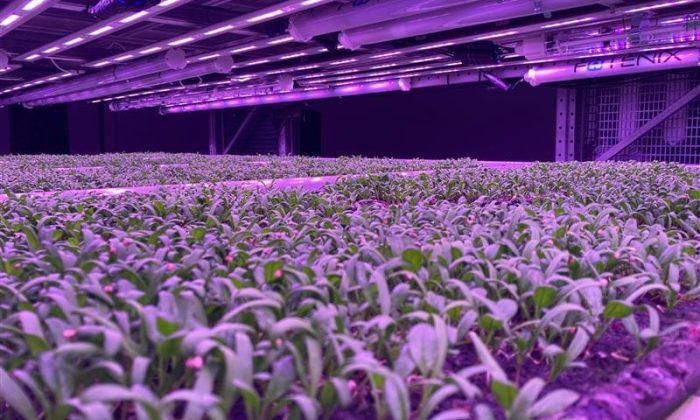
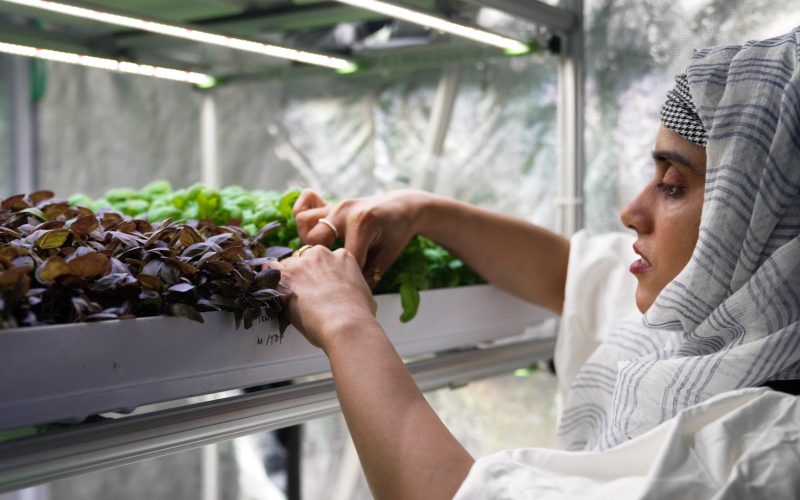
The project focused on advancing the development of the substrates through extensive testing against existing industry standards at the UK Agri-Tech Centre’s Vertical Farming Development Centre, located at Stockbridge Technology Centre (STC). Five comparative trials were run, featuring a range of crops commonly cultivated in vertical farming, including lettuce, rocket, basil, kale, microgreens and others. Germination success, plant morphology, crop uniformity and yield were evaluated to ensure suitability for the diverse indoor grower markets of the final product.
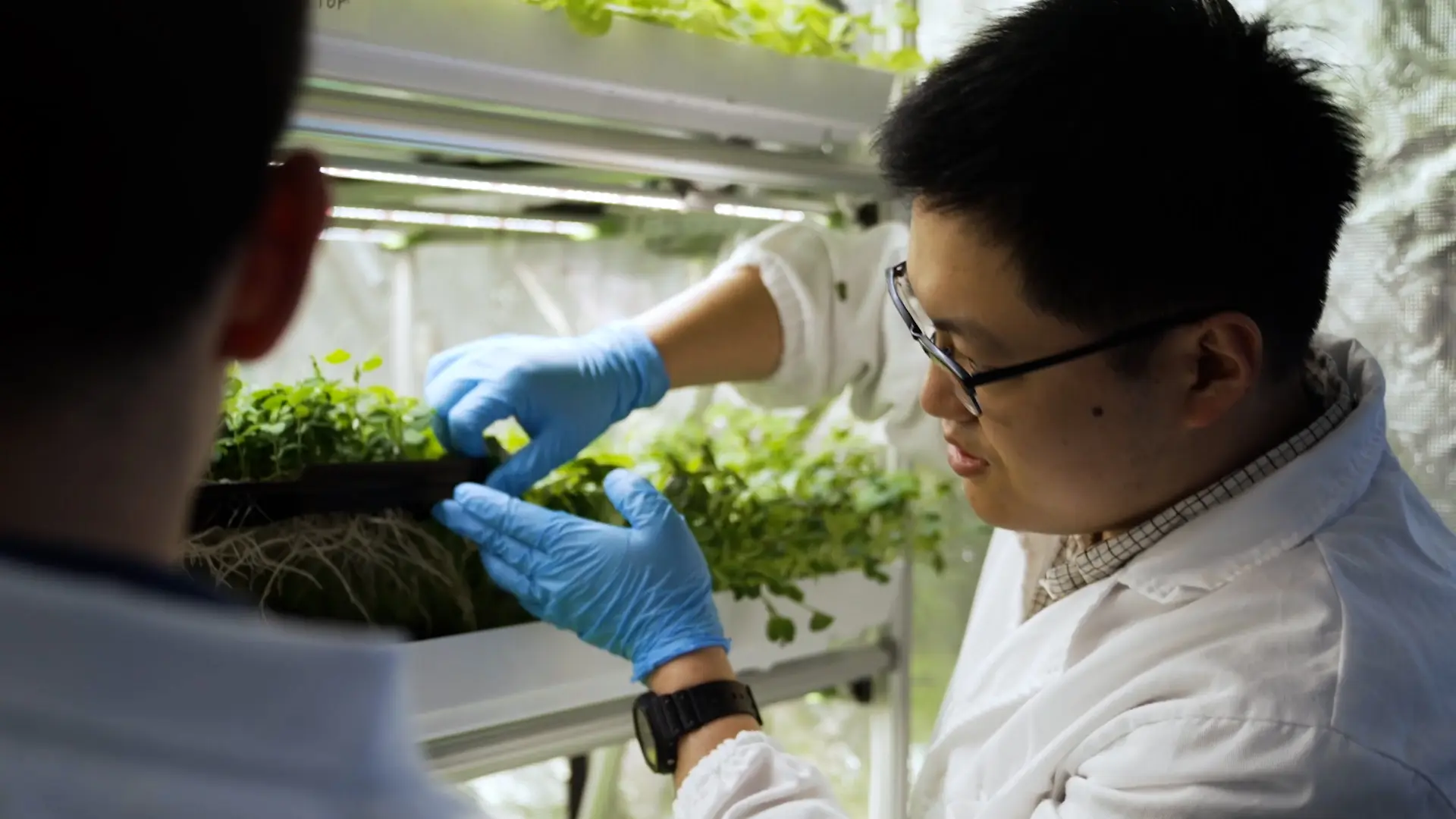
The project resulted in a range of GelPonics hydrogel-based substrates, entirely made from non-synthetic, low-carbon materials, with high-water retention properties and customisable nutrient profiles, demonstrated to meet crops needs and diverse indoor growing settings.
Moreover, these groundbreaking substrates were showed to respond to growers needs for ongoing operational and environmental improvements. A lifecycle analysis, performed by an independent consultancy, determined that AEH GelPonics substrate had significantly lower overall CO2 equivalent emissions than other commonly used substrates such as stone wool, coco coir and competitors, both for its manufacturing process and when used in crops growth cycles.
Dr Beenish Siddique, Founder and CEO, AEH Innovative Hydrogel, said: “The UK Agri-Tech Centre has been an invaluable partner throughout this project, providing expert technical advice and access to demonstrator-scale R&D vertical farm facility to advance and validate our product and ensure it meets commercial requirements. The UK Agri-Tech Centre also facilitated crucial introduction to growers which accelerated global traction.”
Collaboration and support
The £1.05m funding received from Innovate UK’s Transforming Food Production challenge: ‘Science and Technology into Practice’ demonstration strand was crucial to the success of the GelPonics project. It enabled AEH to collaborate with the UK Agri-Tech Centre, gaining access to their expertise, network and facilities, along with key support from the Graphene Engineering Innovation Centre (GEIC), Grobotic Systems Ltd and STC. This has ensured their GelPonics technology is fit-for-purpose and accelerated its development to TRL 8, as well as permitting to demonstrate its benefits directly to end-users.
During the project, the UK Agri-Tech Centre provided key technical insights, project management support, industry expertise and stakeholders’ engagement to ensure the hydrogel was optimised and tailored to meet growers’ specific requirements in the two targeted crop production systems.
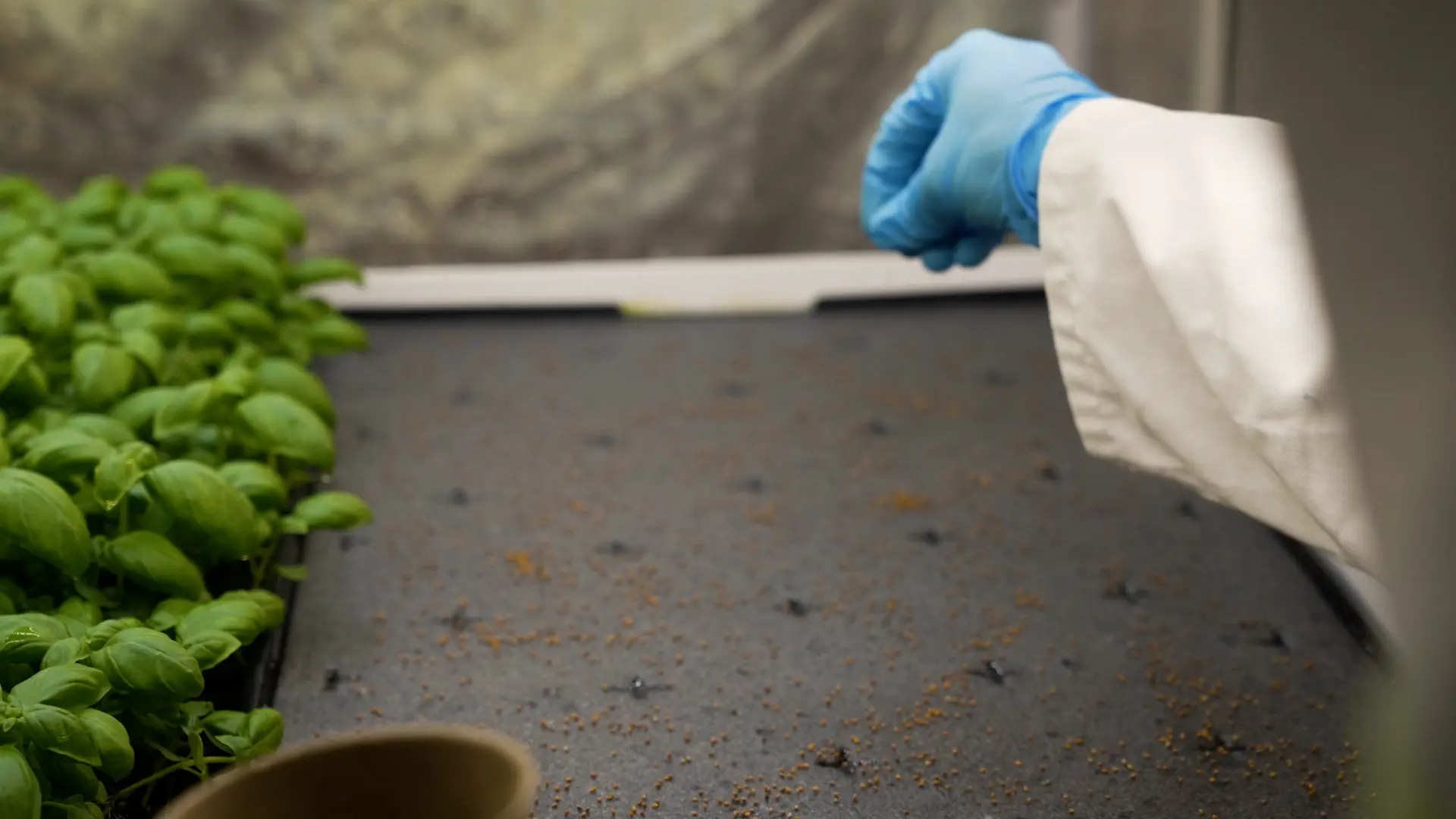
The project resulted in the successful launch of GelPonics beta product into the market; demonstrating the technology worked and growing customer interest also led to AEH securing significant investment to support company growth and the construction of a manufacturing plant. AEH is now exploring the potential of hydrogels for other crops and in other markets.
Dr Beenish Siddique, founder and CEO of AEH Innovative Hydrogel Ltd, notes that the increasing demand for sustainable agricultural practices has driven interest in hydrogel-based soil improvers. In response to this rising demand, the UK Agri-Tech Centre and AEH have announced the launch of the ‘Greener future with GelPonic soil improver: Restoring soil fertility’ project that will focus on developing and showcasing an innovative circular hydrogel-based soil improver.