Archives: Projects

Accelerating Agri-Robotics Innovation in the UK (ARRNET)

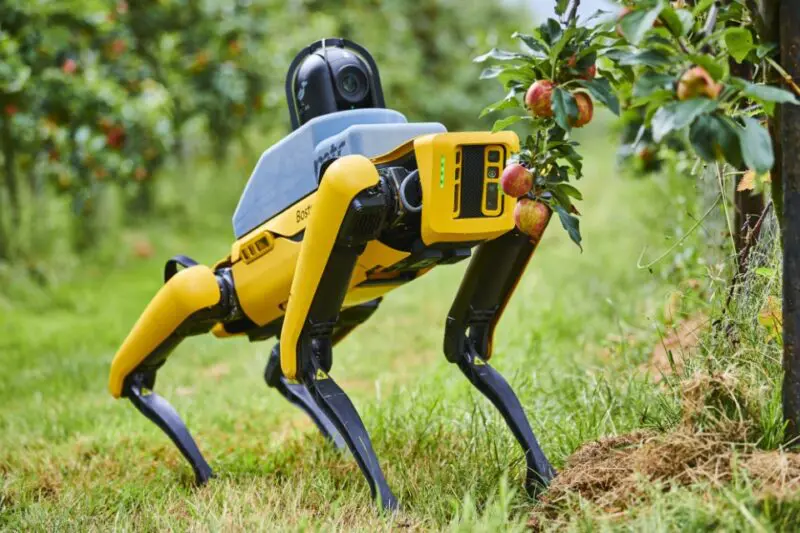
What is the ARRNET project? This project aims to bring clarity to the UK’s fragmented regulatory environment for agri-robotics, boosting confidence and accelerating innovation, scaling and investment.  ARRNet – the UK Agri-Robotics Regulatory Network – was launched to simplify and strengthen the regulatory landscape. Led by the UK Agri-Tech Centre, with partners the University of Lincoln, Harper Adams University and the Manufacturing Technology Centre. ARRNet unites deep expertise in robotics, agriculture and regulation.  With 12 months of government grant funding, the project aims to lower the regulatory barriers to the commercialisation and widespread adoption of robotics and automated systems in agriculture. Agri-robotics face unique challenges in outdoor environments, in-field operations, unpredictable environments, and varying levels of autonomy. ARRNet will collaborate with regulators, policymakers, developers, farmers and key stakeholders from across the wider supply chain to identify pathways to addressing the unique challenges.  Building on strong support from the RSIN Discovery Phase and the National Agri-Robotics Proving Ground study, ARRNet is backed by government, industry and academia. During its 12-month funded phase, ARRNet is set to lay the foundations for a sustainable network, a community driving the sustainable growth and adoption of robotics and automation in agriculture.  Take part in this questionnaire to help provide valuable insights into the training programs offered for agricultural robotics products in the UK. The information gathered will help us bridge the training gap for the adoption of agri-robotics products in the country. Take part in the questionnaire Project Partners The UK Agri-Tech Centre Lead partner in the development of the network and potential funding models. Undertaking Knowledge Exchange with regulators and the network webinars.  Project and Risk management; communication across partners and external stakeholders, including PMO; progress and financial reporting.  University of Lincoln Lead partner for Standards and Testing Framework Development. The University of Lincoln will lead the investigation and interpretation of existing regulations and standards relevant to the agricultural and horticultural sectors.   In addition, the University will lead the development of a robust testing framework. This includes researching current testing regimes, defining the technical requirements for agri-robotic test facilities and designing a framework to support a national testing network.   Harper Adams University  Development training for users, developers and regulators. Covering risk management, commissioning, emergency procedures, site designs and planning to optimise deployment.  Harper Adams is also supporting the University of Lincoln with the Investigation and translation of existing regulations and standards appropriate to the agricultural/horticultural sector and Testing framework development and demonstration. Core contribution – Development of Training packages.  Manufacturing Technology Centre Supporting the University of Lincoln with the testing framework development and demonstration. The team will be conducting research into existing testing regimes and identifying the technical requirements for agri-robotic test facilities. This will lead to the development of a framework for the network to provide testing facilities. This will then lead into certification and compliance testing processes. 
Read More »

Smarter Forecasting, Communication and Management of Frost Risk in Vineyards (FROST)

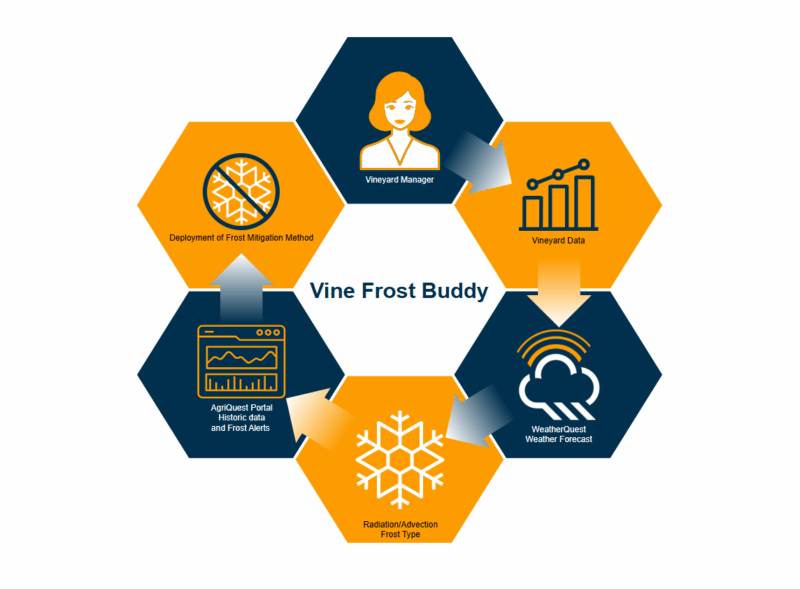
What is the FROST project? Spring frost is a significant threat to UK vineyards from mid-March to May, when freezing temperatures can damage cells in buds and young shoots, risking productivity of the perennial vines during both the current and following growing seasons. The degree of damage from frost depends on: the phenological stage of the vine, severity (critical temperature), the length of frost event(s), the type of frost (radiation or advection) the effectiveness of any mitigation measures put in place To fully support growers, the FROST project has created site-optimised, variety-specific frost risk and frost type forecasts on a co-designed web-app platform, enabling vineyard managers to make more informed, targeted and sustainable choices when responding to frost events. These forecasts reduce the threat of yield loss and help vineyards to focus on particular risk areas and their mitigation strategies based on the conditions. The frost type forecasts provide a clearer indication of when mitigation efforts are likely to be most effective. To deliver granular, site and variety specific frost risk forecasts, the research team distributed a Bud Burst Hub webapp to UK vineyards to record the timing and geographic spread of budburst that fed into a Bud Burst Model. A better understanding of budburst can help growers identify when their vines will be most vulnerable to frost damage and take preventative action to protect their crop (such as using bougies, frost fans or sprinklers). Integrating the budburst data captured into the frost forecast webapp has resulted in a robust frost forecasting tool, helping to protect vineyards during the critical frost season. Please visit the Vinescapes website for more information. Project partners This innovative project funded by Innovate UK and the Department for Environment, Food & Rural Affairs (Defra) through the ‘Farming Futures: Environmental resilience, Feasibility’ call. The project ends in December 2025. WeatherQuest WeatherQuest is a weather forecasting and analytics SME which provides weather and climate services in the agriculture, renewable energy, water, transport and media sectors. They have developed the tailored, site-specific frost forecasts, integrating real-time vineyard measurements and site topographic information through machine learning. Plumpton College Plumpton College is the UK’s centre for excellence in Wine Education, Training and Research. They have managed data collection at the College’s Rock Lodge 8ha Vineyard, while also providing expertise on frost damage within grapevines. Vinescapes Vinescapes is a UK-based vineyard and winery consultancy providing end-to-end support for the wine sector. Vinescapes services range from site assessment and vineyard establishment to viticulture management, winery design, business planning, and training. With expertise in climate science and regenerative practices, Vinescapes helps growers and producers optimise production, reduce risk and build sustainable, resilient wine businesses. Vinewatch Provides IoT-based monitoring services to viticulturalists, including frost, vine and weather factors. Vinewatch have managed networking and sensor connectivity to ensure consistent data flow and support post-project exploitation. Wines of Great Britain (WineGB) WineGB is the trade association for UK wine. We cultivate success for our 500 grower and producer members which represents circa 70% of UK hectarage. We represent the industry to the Government, media, and trade. They provide their members with timely, accurate resources to help their businesses grow, from guidance and toolkits, to training and marketing access. At the heart of their work, they help members to make wine, market wine and tell the story. WineGB will support research dissemination through its comprehensive network.

Read More »

UK Dairy Carbon Network

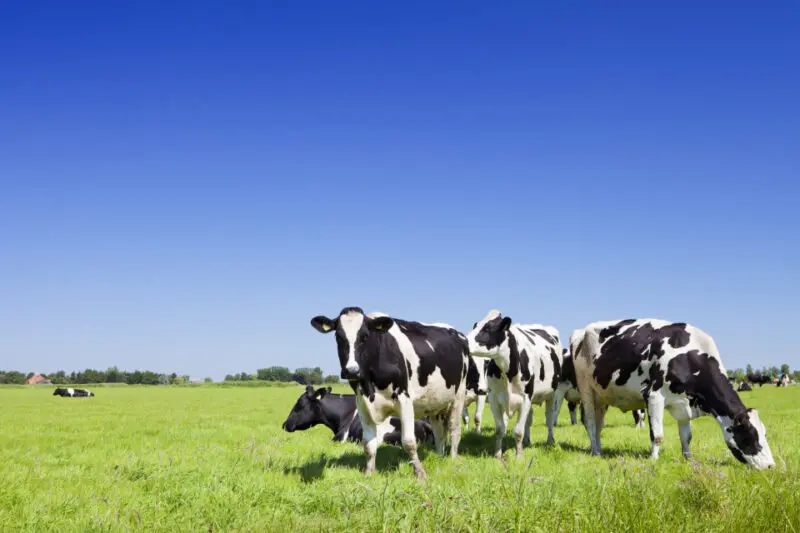
The UK Dairy Carbon Network is an innovative project bringing together dairy farms, supply chains, policy makers and scientists from across the UK to explore and implement practical solutions aimed at reducing greenhouse gas (GHG) emissions. 

Read More »

TomatoGuard

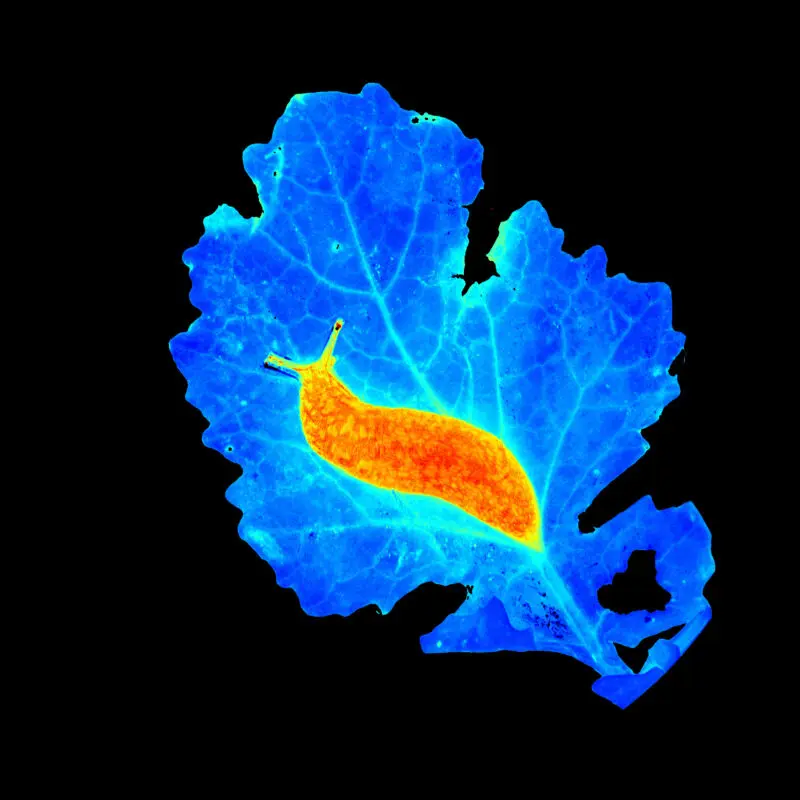
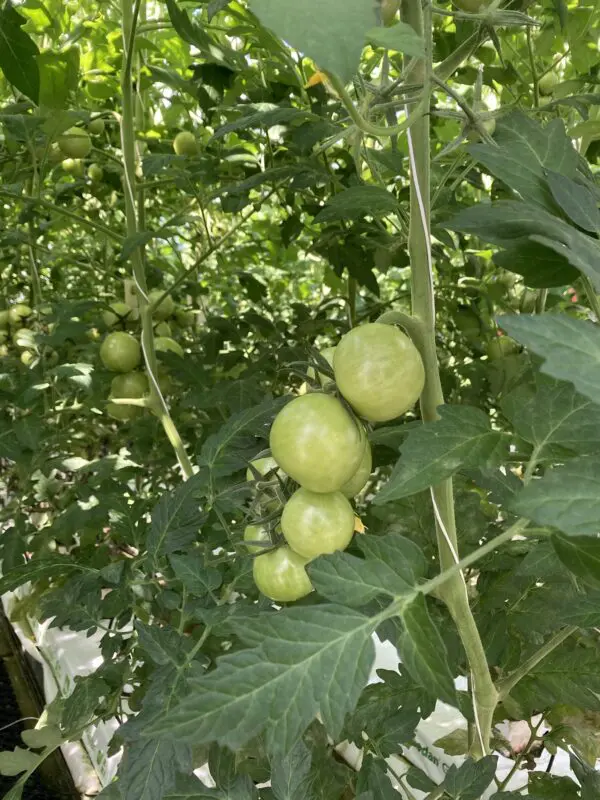
‘TomatoGuard: Advanced AI-Driven Pest and Stress Detection for Sustainable Tomato Cultivation’ project aims to revolutionise protected crop production by making it more sustainable and efficient.

Read More »

FLOCKWISE

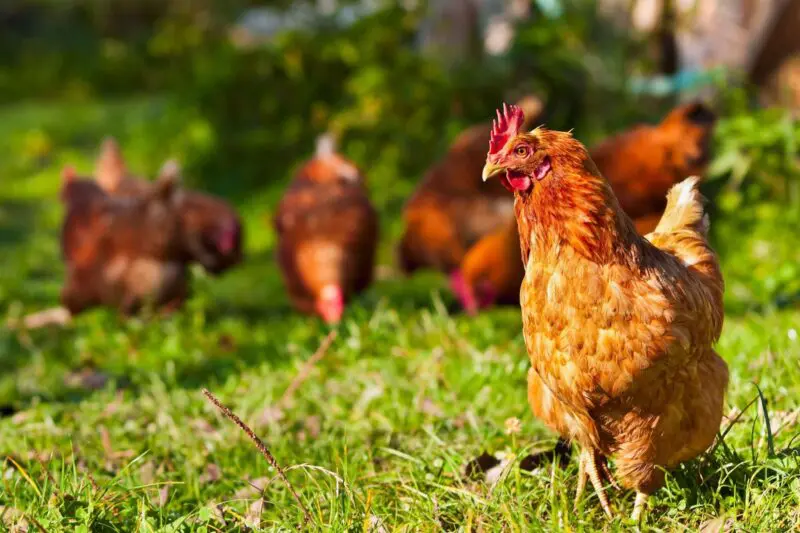
What is the FLOCKWISE project? ‘Facilitating Learning Opportunities, Cultivating Knowledge and Welfare through Integrated Sensing and Expertise’, or ‘FLOCKWISE’ project, is a novel technology for welfare-led productivity gains in laying hen farming. The project uses innovative technology to improve the health and welfare of laying hens whilst increasing productivity, efficiency and industry resilience is underway, thanks to grant funding from Innovate UK. This groundbreaking effort promises to benefit both the welfare of the animals and the long-term viability of the sector. What are the industry issues? Soaring energy feed and labour costs have impacted egg production and farmers are challenged with respect to environmental and ethical considerations. The industry is also facing further challenges as a result of disease such as Avian influenza and the use of different breeds needing different welfare and husbandry requirements. How does the system work? The current BirdBox system combines data collection software with in-house sensor hardware, including an integrated bird weigher, light, humidity, CO2 and temperature and feed bin weigh cells, water and power monitoring. This integrates all farm data to provide the information required to support daily management of the flock and enable farmer-led intervention with targeted guidance when issues arise. The sensor embedded flock management system can bring industry-generated insights and targeted interventions to farmers and industry. As well as measuring welfare, it can harness data and improve production, which enables the farmer to take better action and learn from the industry. The BirdBox makes available industry learning into farmer-facing, low-cost animal-centric technology, whilst alerting farmers of issues, supporting daily management decisions and ensuring regulatory compliance. Project partners

Read More »

GyroPlant

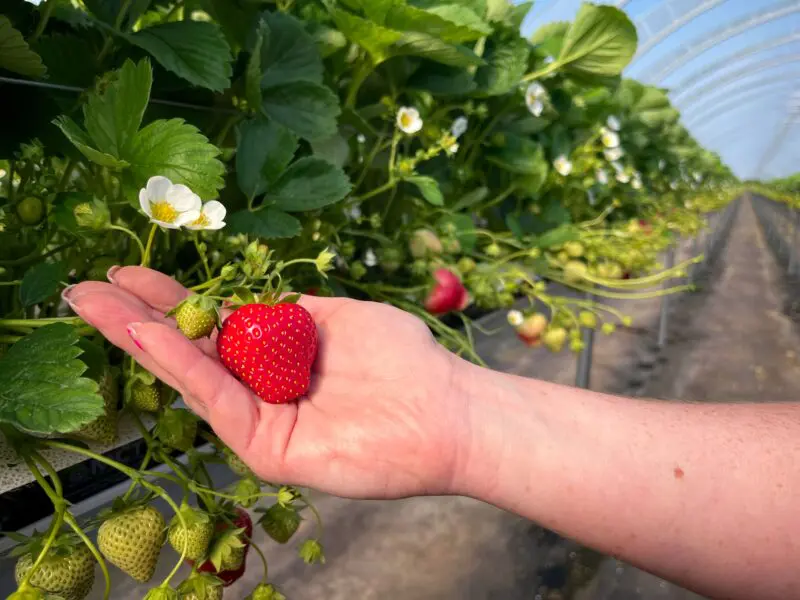
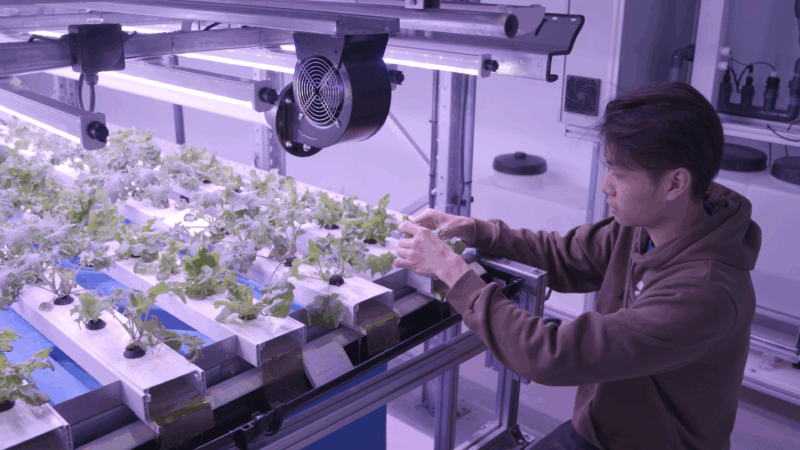
What is the GyroPlant Project? GyroPlant aims to create clean, resilient, and productive indoor growing systems for sustainable, substrate-free cultivation at an industrial scale. This project focuses on breaking down barriers to achieve sustainable substrate-free indoor growing systems at an industrial scale, while exploring use for strawberry and blueberry propagation and production. GyroPlant technology offers a reusable substrate alternative superstructure to grow plants, to eliminate the need for substrates. However, preliminary R&D revealed that combining GyroPlant technology with a minimal amount of substrate may be beneficial in larger T/CEA farm systems. The UK Agri-Tech Centre and Dole UK Ltd are working together with GyroPlant in this project jointly funded by Innovate UK (IUK) and the Biotechnology and Biological Sciences Research Council (BBSRC), conducting plant growth trials to determine the most optimal growing protocols using GyroPlant technology in combination with a range of sustainable substrates or seeding technologies, in different types of T/CEA fertigation systems. This collaborative industrial research project will significantly improve farm resilience and self-sufficiency and reduce waste. Project partners Media / images

Read More »