What is the Crop Storage and Post-Harvest Solutions capability?
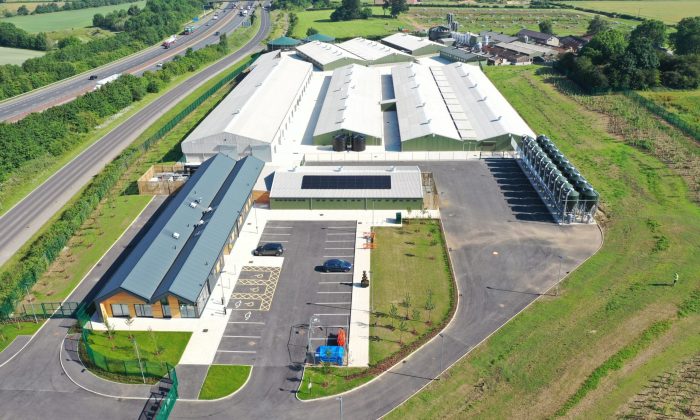
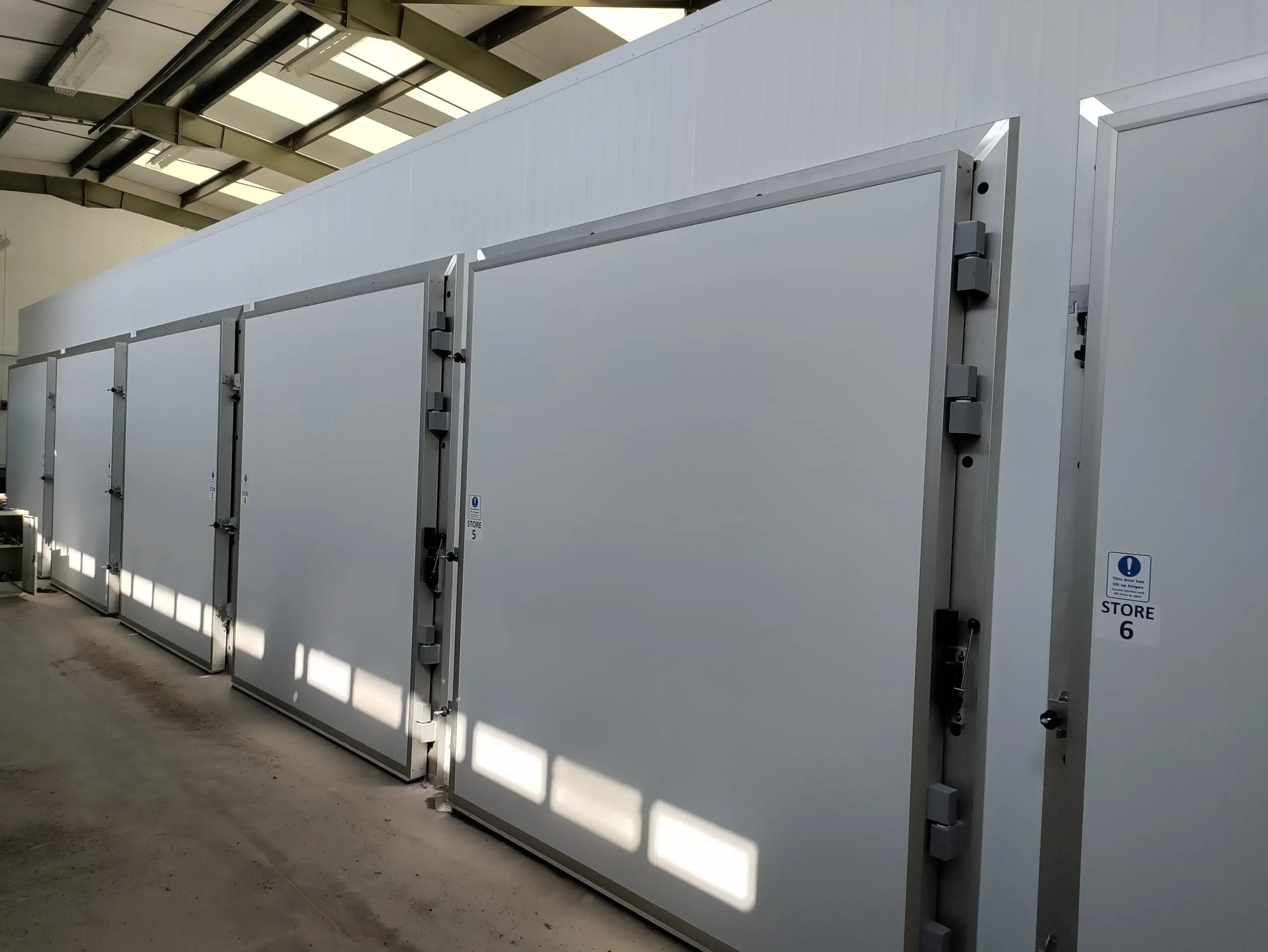
This capability has three separate sites – James Hutton Institute (Dundee), Natural Resources Institute (Uni of Greenwich) and ADAS (Boxworth). There is a consortium that meets each month to discuss the capability. Cranfield have also joined this consortium but use their own assets.
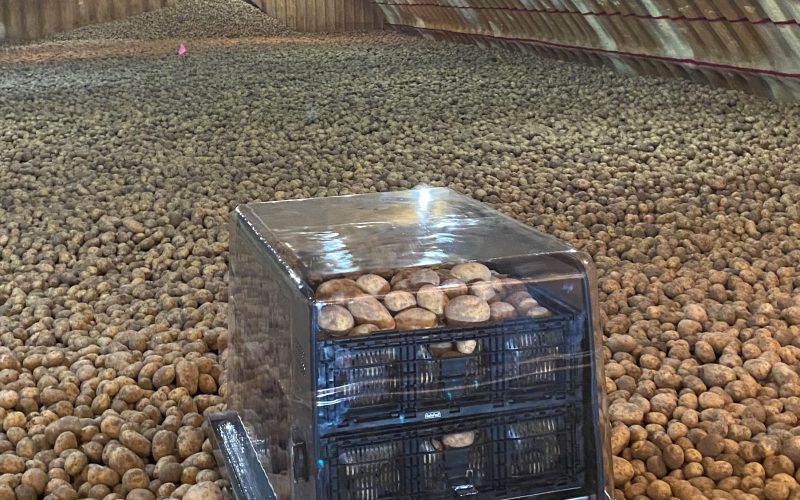
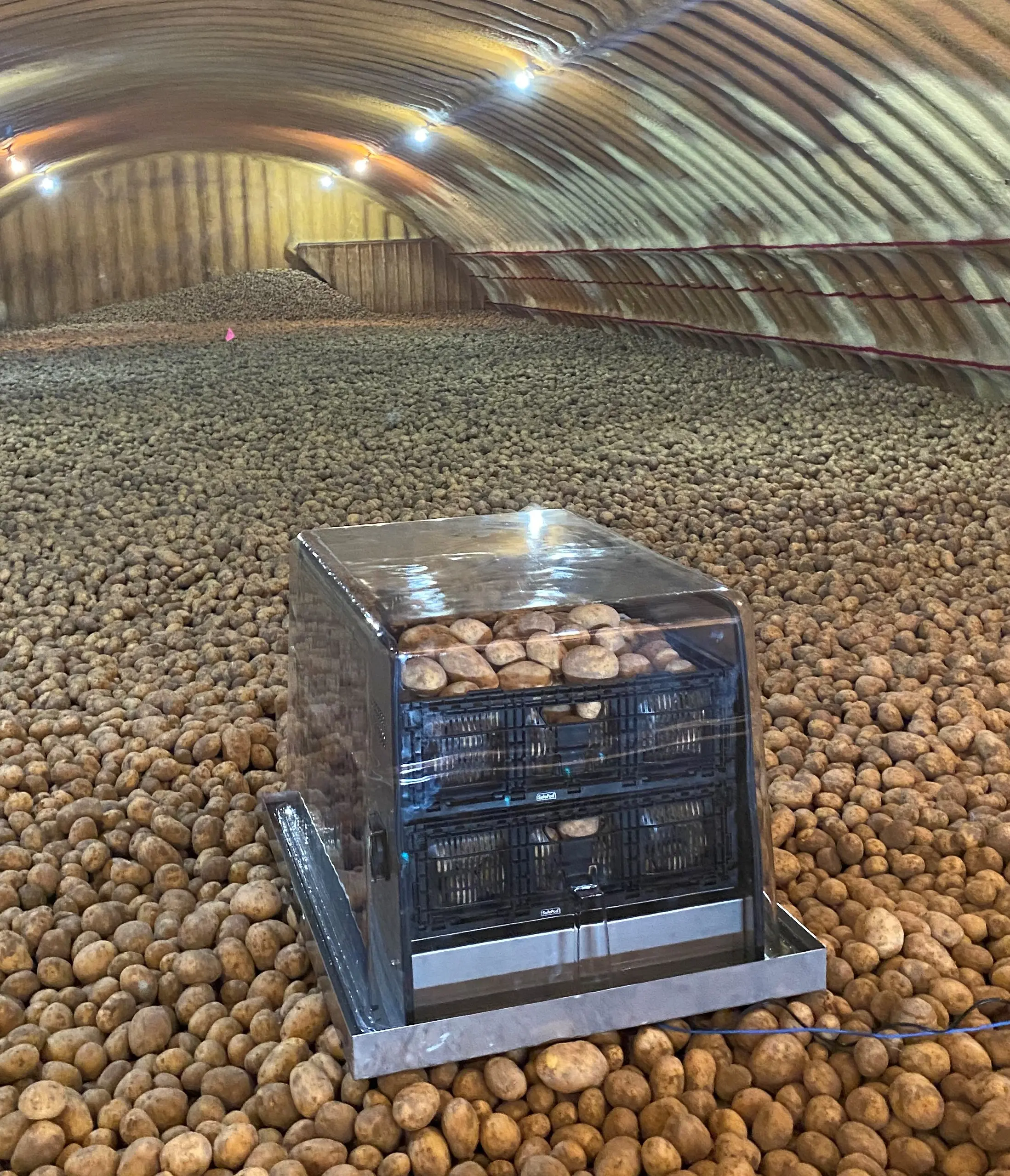
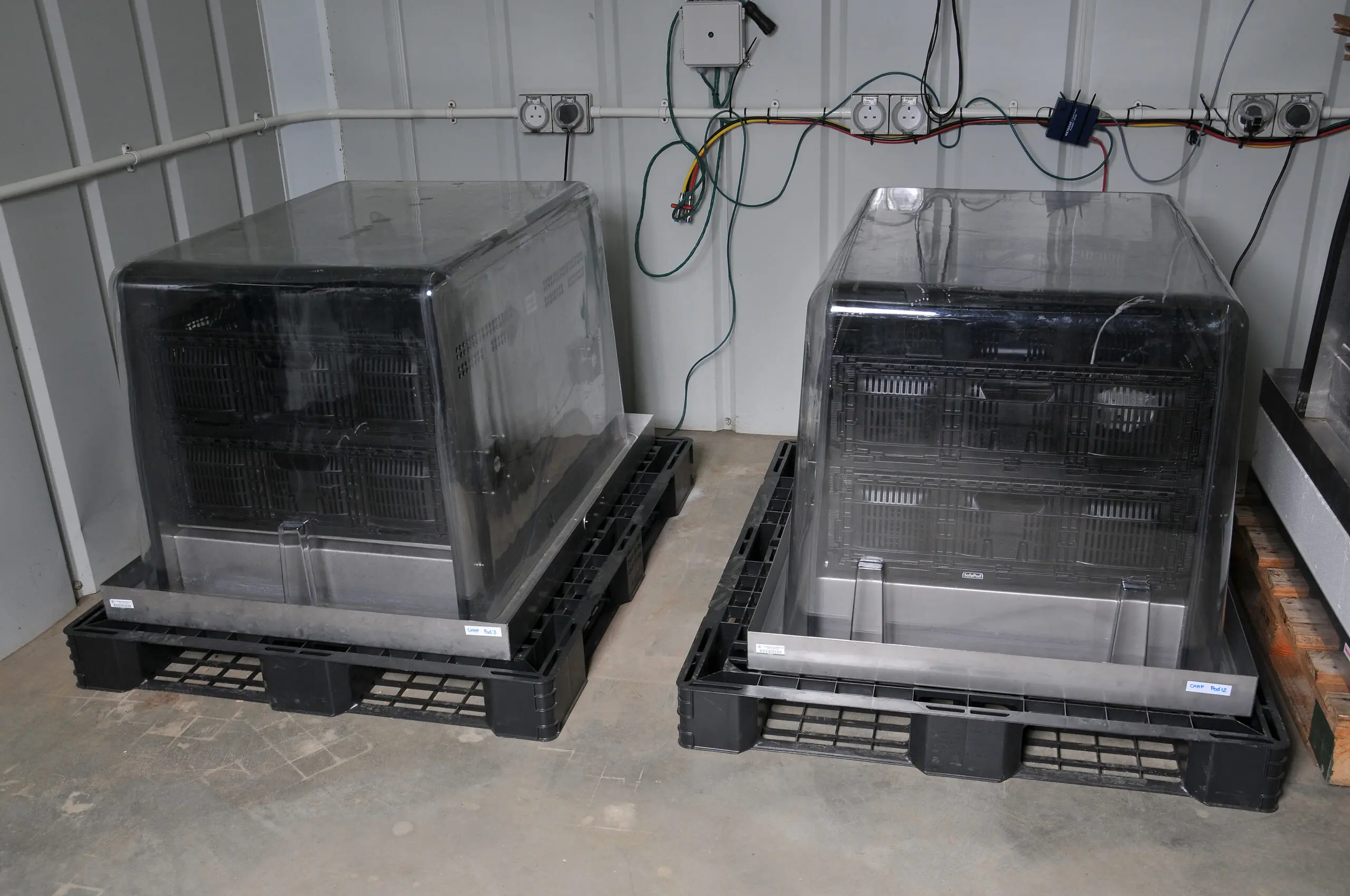
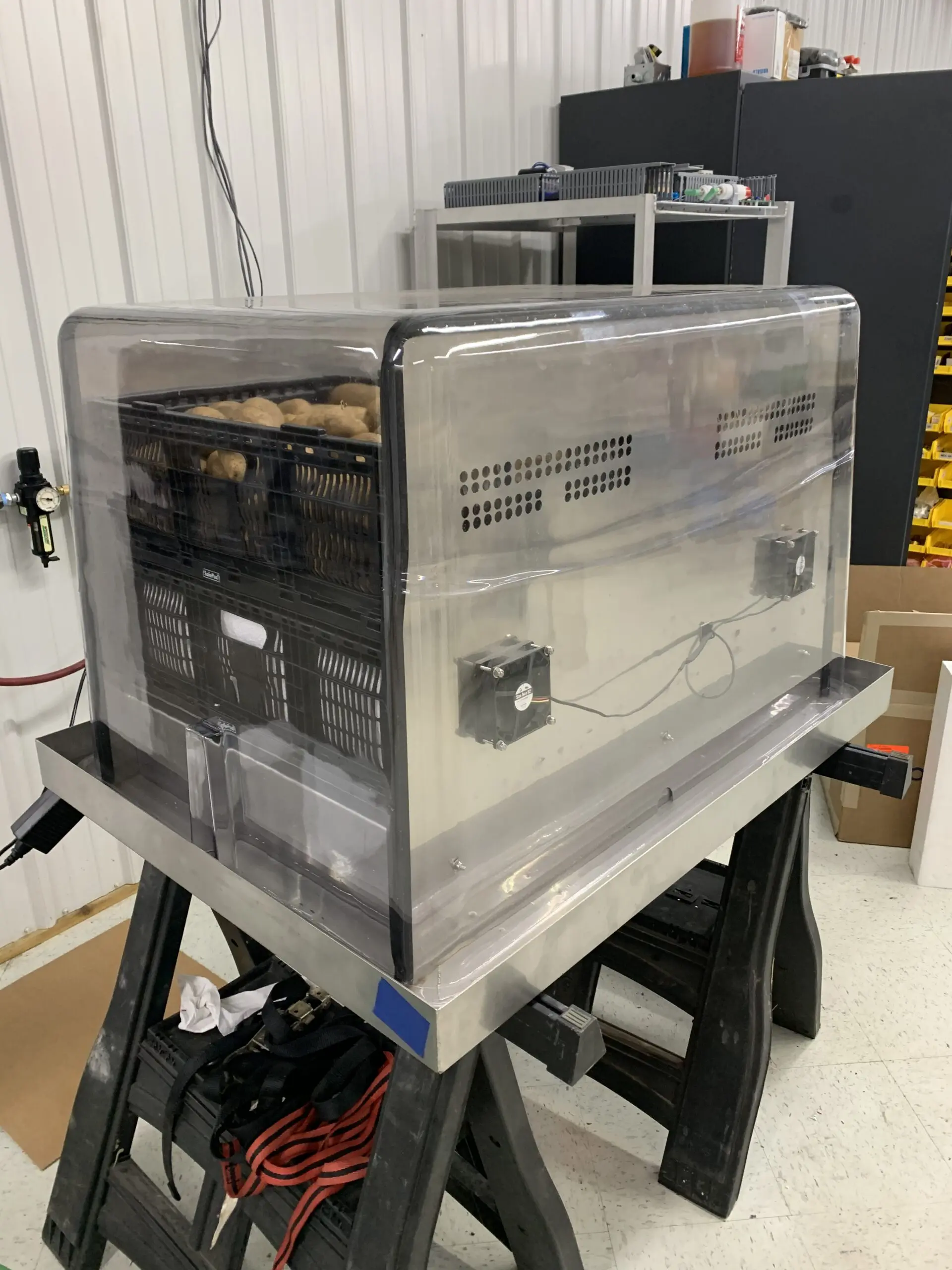
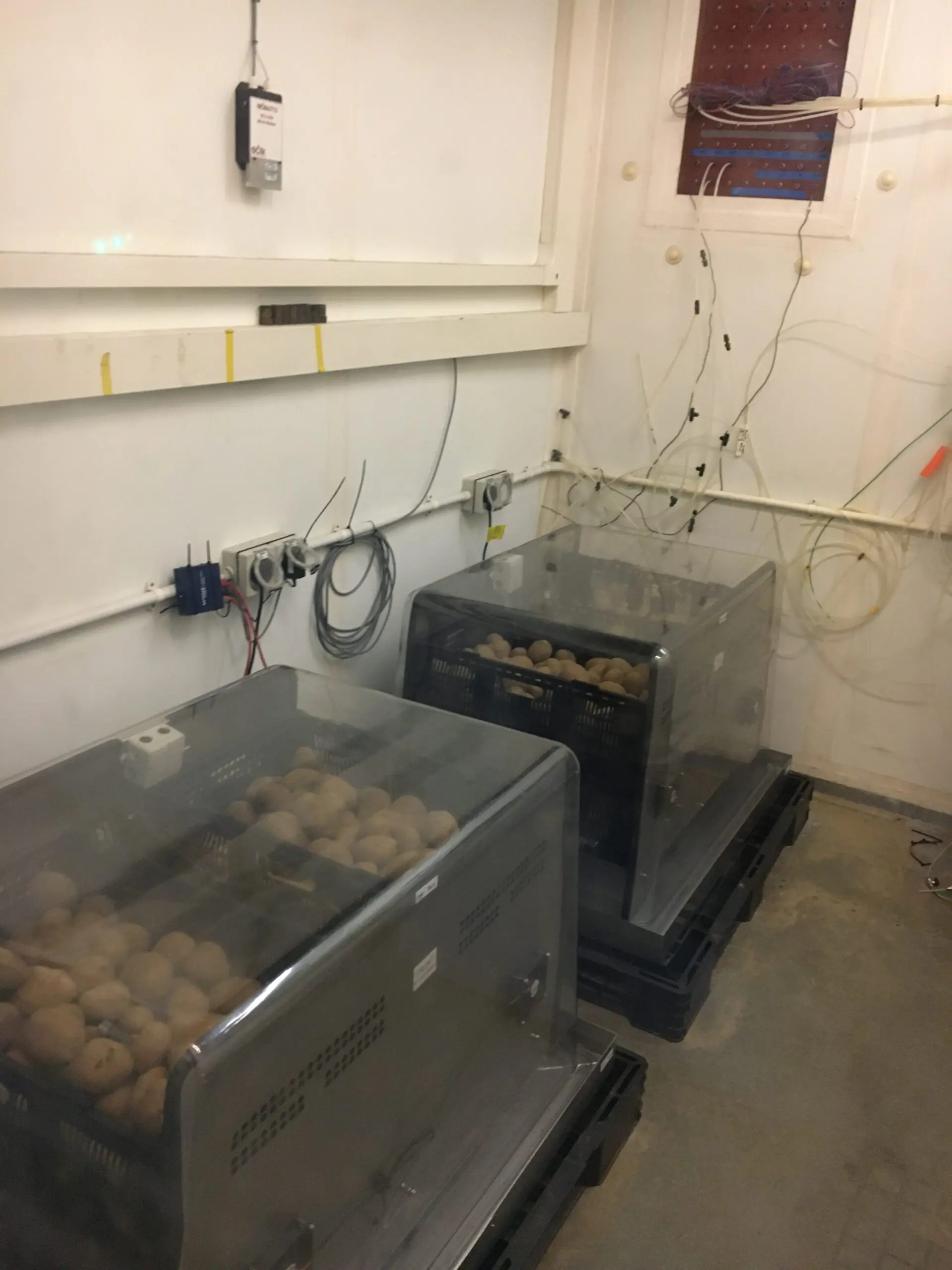
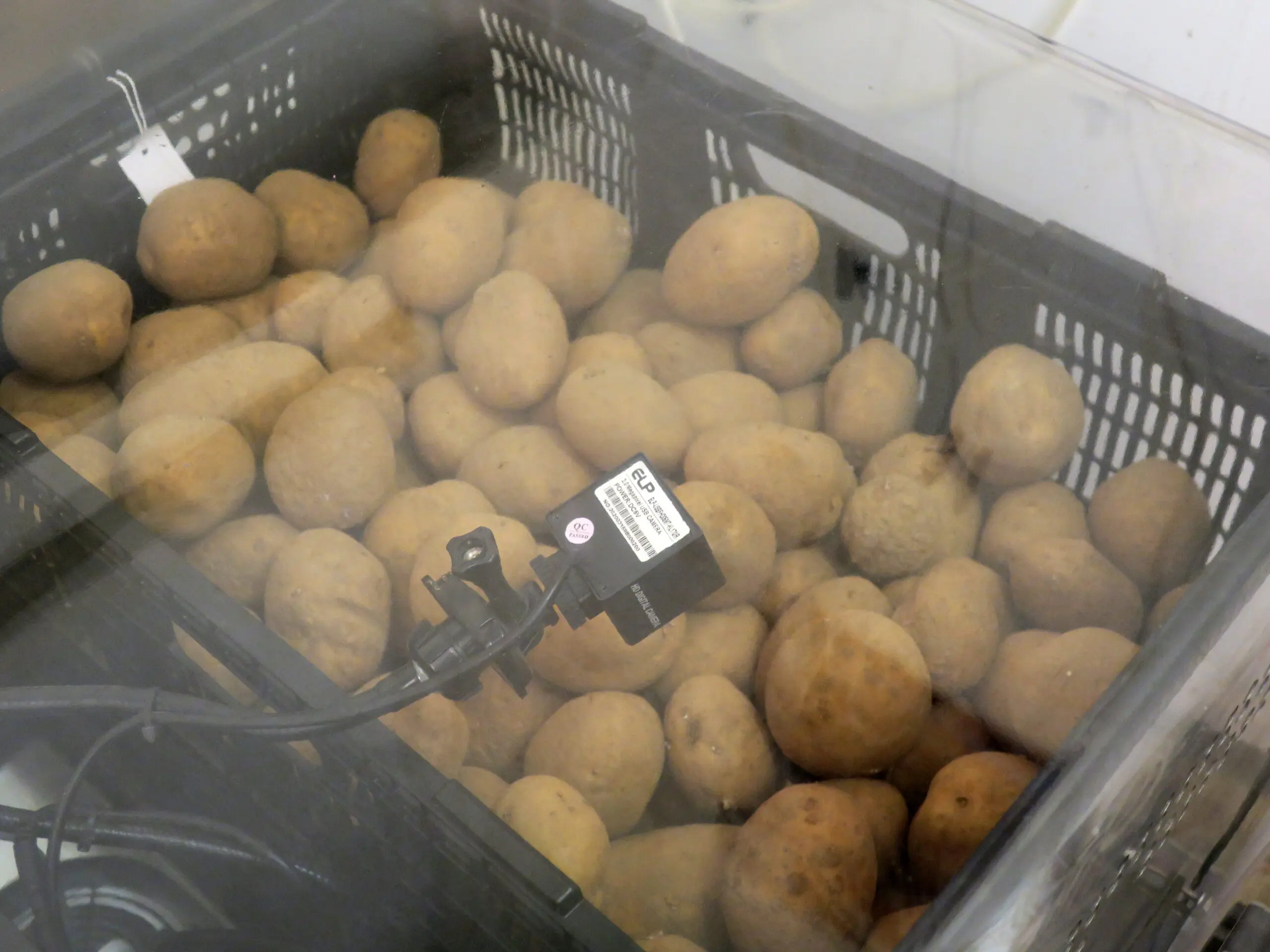
These facilities offer the capability to simulate supply chain environments with accurate control and monitoring of storage conditions; temperature, humidity and atmospheric composition (e.g. CO2). Projects will focus on the agricultural and horticultural value chain to develop strategies to improve crop handling and storage, retain quality and reduce losses.
Initial research priorities will include:
Development of pre and post harvest monitoring and modelling for prediction of storage potential
Supply chain tracking and monitoring, optimising store management with a focus on energy efficiency
Research on opportunities for automation & labour saving
Development and testing of potato sprout suppressant technologies plus testing novel, sustainable packaging materials
In the future the CSPS facility network will focus on further increasing the resilience of food supply chains by reducing food waste, increasing shelf-life and optimising the food value chain from primary production through to retail. The CSPS network is available for R&D projects and collaborations for interested stakeholders in the following key areas:
Development of sensors, tags and bioindicators for produce quality management
Testing innovative methods for post harvest control of microbial decay and spoilage
Understanding and controlling the biology that influences food storage and shelf-life