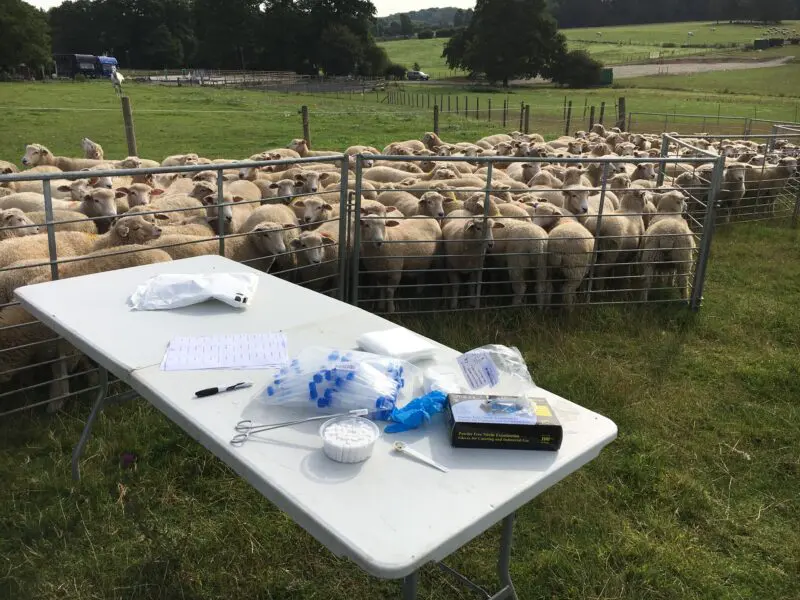
EGENES Genomic Evaluation Data System
EGENES is a leading centre for the development and delivery of genetic improvement tools for the livestock industry.

EGENES is a leading centre for the development and delivery of genetic improvement tools for the livestock industry.
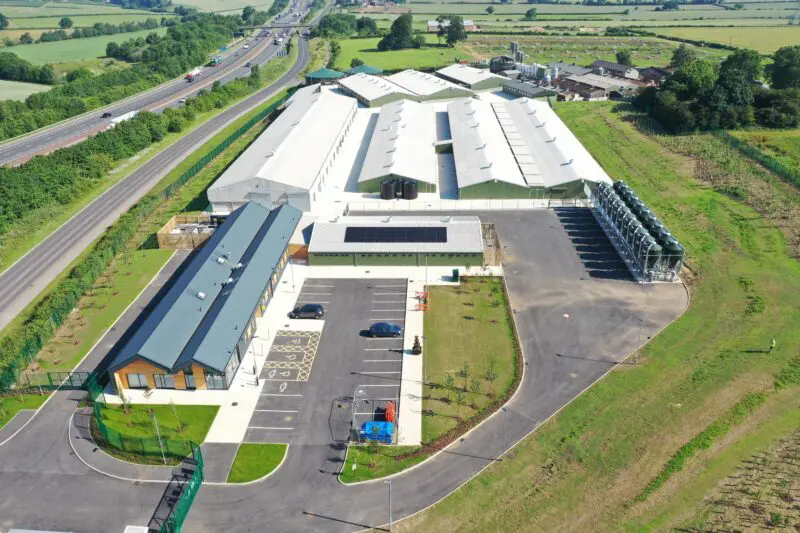
The National Pig Centre is unique in the UK, housing both indoor and outdoor research pig herds on a commercial scale.
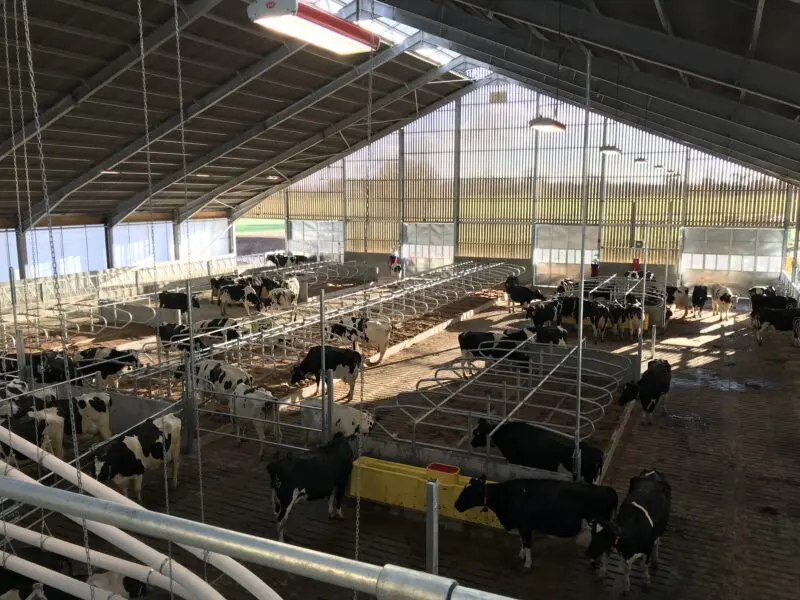
The Centre for Dairy Science Innovation (CDSI) supportss agri-tech businesses, dairy producers and animal health innovators to develop, validate and scale next-generation dairy technologies within a highly monitored, research-led commercial dairy environment. Based at the University of Nottingham, the facility combines expertise in dairy science, herd health, animal welfare and dairy nutrition, providing innovators with access to advanced infrastructure, precision monitoring systems and comprehensive lifetime animal data. The CDSI houses a 340-cow dairy herd and supports studies with individually monitored, high-yielding dairy cows and heifers, enabling detailed evaluation of nutrition, health, welfare and production performance. A dedicated youngstock facility also allows researchers and innovators to monitor calves and heifers throughout their development using precision technologies for performance, behaviour and health tracking. The facility supports innovation and commercial validation in areas including: Feed efficiency and nutrition technologies Herd health and mastitis control Antimicrobial resistance solutions Environmental emissions and sustainability Wearable livestock technologies and precision monitoring Lameness detection and welfare management A wide range of sensing and automated monitoring systems enable detailed data capture and analysis, supporting the development of AI-driven tools, diagnostics and precision livestock technologies. Specialist infrastructure includes: Nutritional research facilities Flexible housing systems Category 2 containment laboratories Dedicated calf and heifer research units Working across biosciences, veterinary medicine and industry collaboration, the CDSI provides agri-tech innovators with a commercially relevant environment to test emerging technologies, generate robust performance data and accelerate adoption across the dairy sector. In collaboration with: This Capability is based at the University of Nottingham’s Sutton Bonington Campus. The formation of CDSI sees a substantial investment in the dairy facilities at the University of Nottingham’s Sutton Bonington Campus, considerably expanding and redeveloping the existing research unit, creating internationally leading dairy science research facilities. The CDSI brings together existing expertise in Dairy Science, Dairy Herd Health and Welfare and Dairy Food Science. Projects
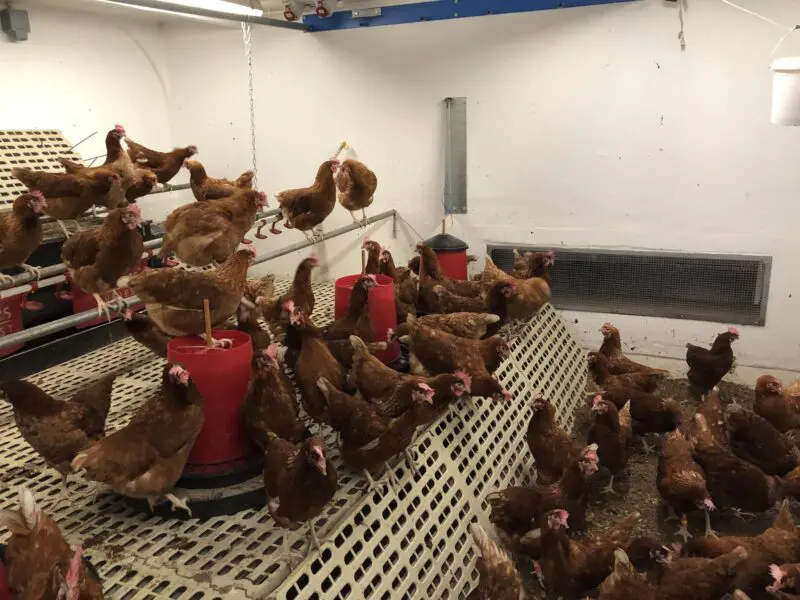
What is Bristol University’s Poultry Unit? The Bristol Poultry Research Farm offers many possibilities for small-scale trials aimed at improving bird health, welfare and productivity. Expertise is matched by the facility’s flexibility in configuration to accommodate a broad scope of studies. The state-of-the art poultry facility offers specialist, industry-focused research for both laying hens and broilers. This facility bridges the gap between commercial systems and small experimental units, combining industry standard housing with state-of-the-art poultry monitoring, at flock and individual level. It features eight individually controlled experimental rooms, housing up to 300 birds in each. There are also two isolated hatching facilities, available for research into both laying hen and broiler health, welfare and behaviour. Home Office compliant suites of four rooms, for 20 adult hens per room, are also available. Active research areas include: Layers Attitudes to welfare and welfare assessment tools Feather loss and beak trimming alternatives Housing design Keel bone fractures Nutrition Farmer-led innovation Broilers Consumer and breeder attitudes to welfare Welfare assessment tools Humane stunning and slaughter techniques Campylobacter and Salmonella zoonoses Nutrition Emissions Impact: Improved efficiency & productivity alongside enhanced welfare for both egg and meat production. Novel monitoring systems for bird productivity and welfare. Supporting the ‘Grand Challenges’ facing livestock food production: Health & Welfare Management Resource Efficiency & Precision Nutrition Food Safety, Quality & Integrity In collaboration with: This Capability is based at the University of Bristol’s Veterinary School. The School’s research is focused in the areas of Animal Welfare & Behaviour, Comparative & Clinical Research, and Infection & Immunity, complemented by quantitative expertise in Biostatistics, Epidemiology and Mathematical Ecology. Research ranges from fundamental to applied and is relevant to over-arching issues such as Food Security and One Health, concepts that the School’s research embraces through collaborations with scientists from other schools within the Faculties of Medical and Veterinary Sciences, Medicine and Dentistry, and Science and other regional institutes and organisations. Projects
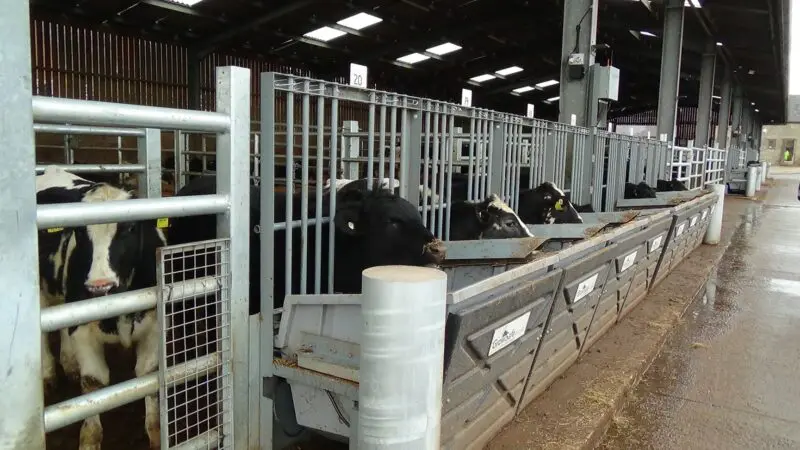
The Beef Grower Finisher System, measures intake of feed and water, greenhouse gas emissions, body weight and feeding behaviour of individual cattle, to assess feed efficiency in growing and finishing animals.
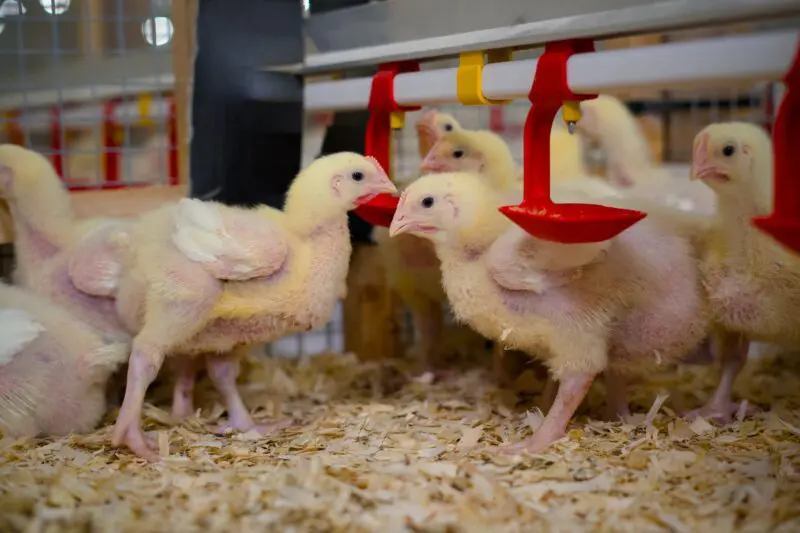
What is the Allermuir Avian Facility? The Allermuir Avian Innovation and Skills Centre (AISC) is the only poultry research facility in the UK that can accommodate scientifically sound replicated trials all the way from small-scale pilots through to testing ideas under near-commercial conditions. Two flexibly configured animal houses are available to study nutrition, physiology, behaviour, health and welfare to better serve breeding, nutrition & health research and knowledge exchange. The Facility builds on decades of strategic and applied poultry research, learning and consultancy activities. It encompasses all aspects of poultry science, including nutrition, behaviour and welfare, product quality, safety and gut & skeletal health. This is achieved through unrivalled research and delivery capability that includes a near-commercial scale brooder facility, complemented by an additional multi-purpose poultry house comprising multiple small-scale animal rooms, Home Office approved raised-floor units, enriched housing layer facility and large floor pen facilities. Research-scale hatching capability is under development. SRUC designs, manages and delivers major research projects in poultry science to an internationally recognised high standard, from concept through to robust demonstration of application. Particular areas of expertise include: Poultry production Nutrition Behaviour and welfare Sub-clinical challenge models Product quality (including zoonotic load) Regulatory studies with EFSA compliant reporting Technical Specification Two houses – space and flexible configuration to accommodate small-scale pilot studies to near commercial-scale trials. Broilers/Turkeys/Layers/Research-scale hatching capability in development. Brooder House 1,120sqm for 144 floor units (up to 5,760 broilers) Optional simultaneous multiple studies under commercially relevant stocking density Flexible penning to accommodate turkeys Multi-Purpose Poultry House (3 Key Areas) 64 experimental units in 230sqm for up to 1,344 laying hens (enriched colony units; 21 birds per unit) Four identical animal rooms of 20sqm each with space for up to 12 floor units each (48 floor pens total; 240 broilers per room). Flexible penning to accommodate layers with nest boxes 36 Home Office compliant multi-tier raised floor units (metabolism units) in 180sqm. Unit size: 2.25sqm, nine broilers or six turkeys per unit (total 324 broilers or 216 turkeys) for digestibility studies Broiler/Turkeys Production data (feed/water intake, weight gain, mortality) Carcass quality Gut lesions, morphology and microbiology Behaviour and welfare assessment Blood biochemistry and haematology Litter, hock and foot pad scoring Layers Production data (egg output, feed intake, weight gain) Egg quality Behaviour and welfare assessment Gut lesions, morphology and microbiology Nutritional Value Excreta collection for total tract digestibility (AME, nutrient and mineral losses) Digesta collection for marker-assisted standardised ileal digestibility using test and N-free diets Production data for quality control (feed intake, weight gain) Gut lesions, morphology and microbiology Blood biochemistry and haematology In collaboration with: This Capability is based at Scotland’s Rural College (SRUC)’s Easter Howgate Farm site. SRUC is a specialist institution offering college and university level courses. SRUC strives to help grow a natural economy fuelled by the responsible use of the world’s natural resources: people, land, energy, water, animals and plants. This Capability is run entirely by SRUC staff. All activities, servicing, maintenance and running of projects are conducted by SRUC staff. Learn more about SRUC Projects Case studies
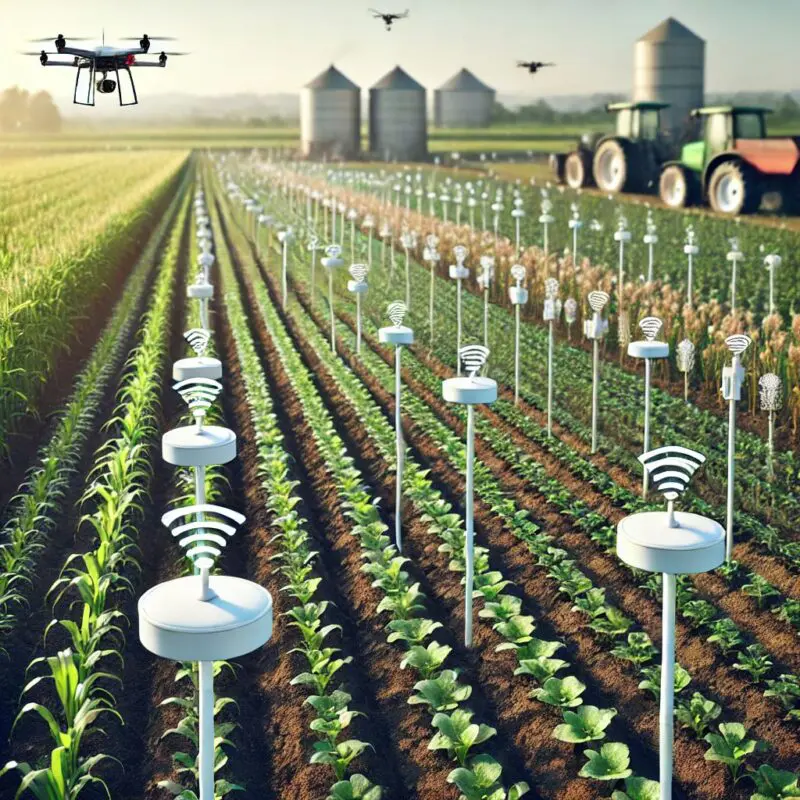
Remote sensing is revolutionising the agricultural industry by providing innovative solutions for monitoring and managing crops. This technology involves collecting and interpreting data from a distance using sensors. By capturing detailed information about the Earth’s surface, remote sensing enables farmers and researchers to make informed decisions that enhance productivity and sustainability. Applications of Remote Sensing in Agriculture: Crop Health Monitoring: Remote sensing helps in assessing the health of crops by detecting variations in colour, temperature, and moisture levels. This allows for early identification of stress factors such as diseases, pests, and nutrient deficiencies. Soil Analysis: By analysing soil properties and moisture content, remote sensing aids in optimising soil management practices. This ensures that crops receive the right nutrients and water, leading to better yields. Irrigation Management: Remote sensing data can identify areas of a field that require more or less water, enabling precise irrigation management. This not only conserves water but also improves crop health. Yield Prediction: By monitoring crop growth stages and health, remote sensing can help predict yields more accurately. This information is crucial for planning and resource allocation. Land Use and Crop Mapping: Remote sensing provides detailed maps of land use and crop types, helping in efficient land management and planning. Advantages of Remote Sensing: Non-Invasive: Remote sensing techniques are non-destructive, meaning they do not disturb the crops or soil during data collection. Real-Time Data: The ability to capture real-time data allows for immediate action to address any issues detected. High Precision: Remote sensing provides high-resolution data that can pinpoint specific areas needing attention, leading to more efficient resource use. Challenges: Cost and Accessibility: High-quality remote sensing equipment and data processing tools can be expensive, which may limit their accessibility for smaller farms. Data Interpretation: The vast amount of data generated requires advanced processing tools and expertise to interpret accurately. In conclusion, remote sensing is a powerful tool in modern agriculture, offering detailed insights that enhance crop management and improve productivity. As technology advances, it is expected to become even more integral to sustainable farming practices. RGB Imaging RGB cameras capture images using three colour channels—red, green, and blue. These images can be processed to provide valuable information about crop health, soil conditions, and other agricultural parameters. Applications: Crop Health Monitoring: RGB images help in assessing the health of crops by detecting variations in colour that may indicate stress, disease, or nutrient deficiencies. Healthy vegetation typically reflects more green light, while stressed plants may show different colour patterns. Vegetation Indices: Although traditionally derived from multispectral data, vegetation indices like the Normalized Difference Vegetation Index (NDVI) can also be approximated using RGB data combined with AI algorithms. These indices help in identifying healthy and problematic areas within a field. 3D Mapping and Photogrammetry: High-resolution RGB images can be used to create detailed 3D models of fields and crops. This is useful for measuring plant height, canopy volume, and other structural attributes. Disease and Pest Detection: RGB imagery can assist in early detection of diseases and pests by highlighting unusual colour patterns or changes in plant appearance. Multispectral Multispectral imaging is a remote sensing technology that captures images at multiple wavelengths across the electromagnetic spectrum. This technology extends beyond the visible light spectrum to include near-infrared (NIR) and other bands, providing a more comprehensive view of agricultural fields. Applications: Crop Health Monitoring: Multispectral imaging can detect subtle changes in plant reflectance that indicate stress, disease, or nutrient deficiencies. This early pre-symptomatic detection allows for timely interventions to improve crop health and yield. Soil Analysis: By analysing different spectral bands, multispectral imaging can assess soil properties such as moisture content, organic matter, and nutrient levels, helping farmers optimize soil management practices. Irrigation Management: Multispectral data can identify areas of water stress within a field, enabling precise irrigation management to conserve water and ensure optimal plant growth. Yield Prediction: By monitoring crop growth stages and health, multispectral imaging can help predict yields more accurately, aiding in better resource allocation and planning. Hyperspectral Hyperspectral imaging is an advanced remote sensing technology that captures a wide spectrum of light across hundreds or even thousands of narrow bands. This detailed spectral information allows for precise analysis of agricultural fields, providing insights that are not possible with traditional RGB or multispectral imaging. Applications: Crop Health Monitoring: Hyperspectral data can detect subtle changes in plant physiology, such as chlorophyll content, water stress, and disease presence. This enables early intervention to address issues before they become severe. Soil Analysis: By examining specific spectral bands, hyperspectral imaging can assess soil properties, including moisture levels, organic matter content, and nutrient availability. This helps in optimising soil management practices. Nutrient Management: Hyperspectral sensors can identify nutrient deficiencies in crops by analysing their spectral signatures. This allows for precise application of fertilizers, improving crop health and yield. Yield Prediction: The detailed data from hyperspectral imaging can be used to model and predict crop yields more accurately, aiding in better planning and resource allocation. Pest and Disease Detection: Hyperspectral imaging can identify specific spectral signatures associated with pest infestations and diseases, enabling targeted treatments and reducing the need for broad-spectrum pesticides. Solar-Induced Fluorescence Solar-Induced Fluorescence (SIF) is a remote sensing technique that measures the faint glow emitted by chlorophyll in plants during photosynthesis. This fluorescence occurs when plants absorb sunlight and re-emit a small portion of the absorbed energy as light, primarily in the red and near-infrared regions of the spectrum. Applications: Photosynthetic Activity Monitoring: SIF is a direct indicator of photosynthetic activity, providing real-time insights into plant health and productivity. It helps in assessing the efficiency of photosynthesis and detecting stress conditions in crops. Crop Growth Stages Identification: SIF data can accurately identify different growth stages of crops, such as the silking stage in corn or the heading stage in wheat. This information is crucial for optimising agricultural practices and improving yield predictions. Stress Detection: SIF can detect early signs of stress caused by factors such as drought, nutrient deficiencies, or pest infestations. This allows for timely interventions to mitigate potential yield losses. Gross Primary Production (GPP) Estimation: SIF is closely related
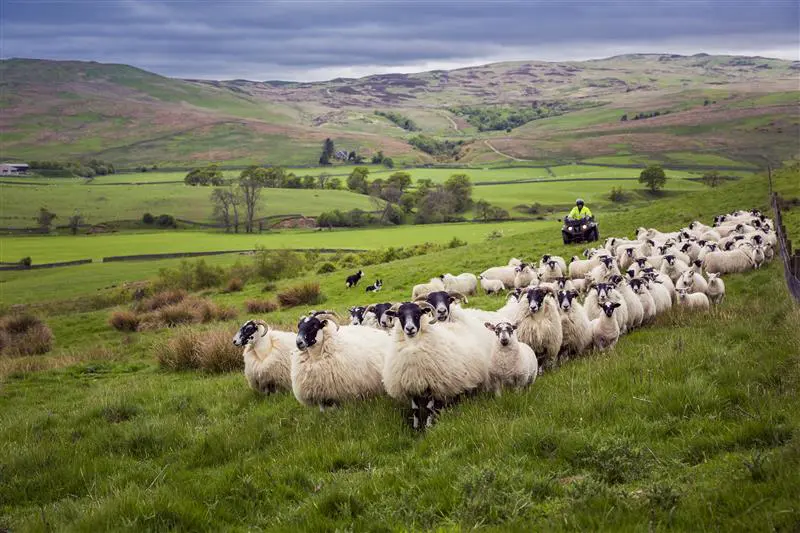
The UK Agri-Tech Centre’s Farm Network is a unique research capability, existing to act as a nationwide research platform
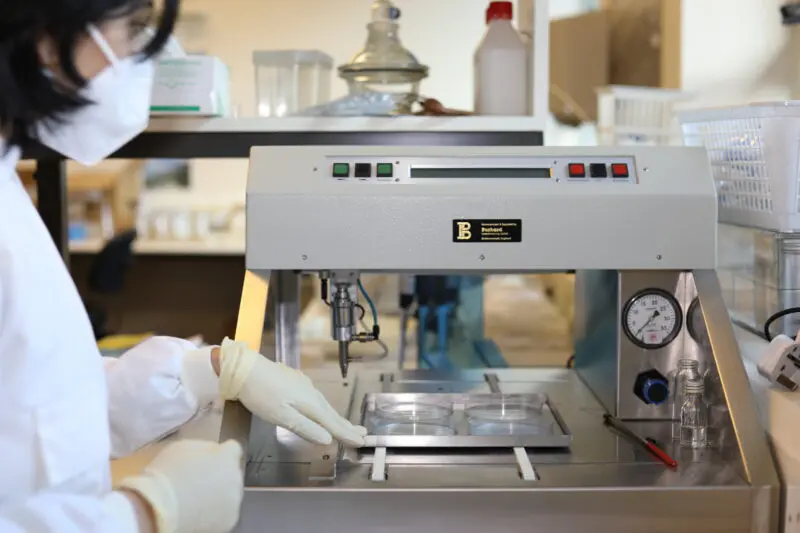
The Fungal Biopesticide Development Laboratory conducts research on microbials (mainly fungal isolates) that have the potential to become an economically viable biopesticide. The facility has some specialised UK Agri-Tech Centre equipment to support the Scientific team at CABI. The team uses the UK Agri-Tech Centre equipment to test and screen fungal isolates for biopesticide development against plant diseases and insect pests. CABI’s biopesticide team in the UK has expertise in fungal research and work throughout the world to minimize the pest and diseases threats to crops. One of the UK Agri-Tech Centre objectives is to collaborate with CABI on projects using our resources and their expertise to aid business development opportunities for both organisations. In addition, this facility along with expertise from CABI scientists can offer an efficient mass production testing and bulking process, research to improve the viability and longevity of spores and formulation studies to improve the field application of suspensions. In collaboration with: The Fungal Biopesticide Development Laboratory is based at CABI’s Ascot site. CABI (Centre for Agriculture and Bioscience International) is a non-profit, intergovernmental organization that uses scientific expertise and information to improve people’s lives by addressing environmental and agricultural issues. Biopesticides & Biostimulants We offer a comprehensive suite of pioneering capabilities, dedicated to researching and improving novel crop protection techniques. These encompass precision spraying, high specification field trials, screening and testing of new biopesticides, and controlled pest management trials. These tools help combat emerging and existing crop pests and diseases, providing farmers with alternative methods for crop protection. We also have access to the UK’s first comprehensive and authenticated database of plant pathogenic fungi and bacteria, and international pest horizon scanning to enhance the efficiency of crop pest and disease diagnosis globally. Media / images Projects
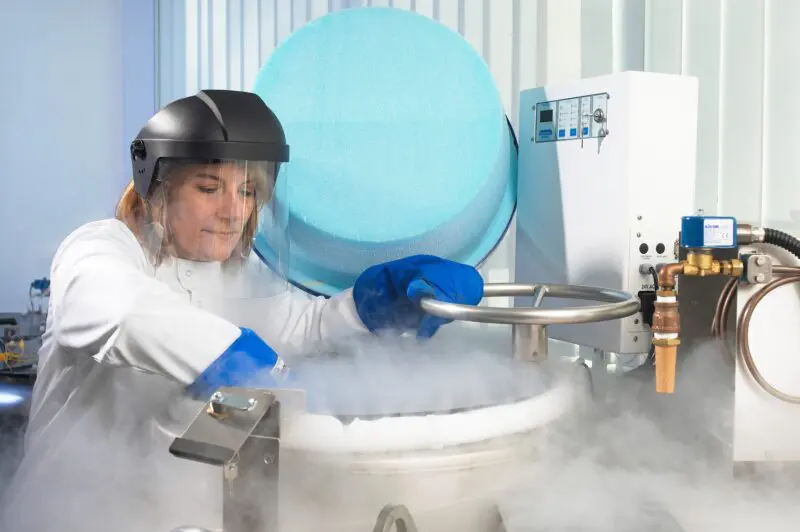
The National Reference Collection houses a collection of biological samples relevant to UK agriculture, including plant-associated microorganisms, entomopathogenic fungi, crop weed seeds exhibiting different herbicide resistance profiles, pest insect larvae and environmental samples, and plant pathogenic fungi and bacteria. The collection was established in partnership with CABI, Fera and Rothamsted Research and is open to the public for the deposit and supply of samples. Rothamsted Research holds blackgrass samples but these have not been entered into the Collection. In addition to the collection itself, the NRC relies on expertise from members of technical staff supported by CABI, and includes some important equipment needed to receive and preserve deposits of samples from external researchers as well as companies for safe storage and supply. In collaboration with: This Capability is based at CABI’s Ascot site. CABI (Centre for Agriculture and Bioscience International) is a non-profit, intergovernmental organization that uses scientific expertise and information to improve people’s lives by addressing environmental and agricultural issues. Biopesticides & Biostimulants We offer a comprehensive suite of pioneering capabilities, dedicated to researching and improving novel crop protection techniques. These encompass precision spraying, high specification field trials, screening andtesting of new biopesticides, and controlled pest management trials. These tools help combat emerging and existing crop pests and diseases, providing farmers with alternative methods for crop protection. We also have access to the UK’s first comprehensive and authenticated database of plant pathogenic fungi and bacteria, and international pest horizon scanning to enhance the efficiency of crop pest and disease diagnosis globally. Media / images Projects