Archives: Case Studies

Improving the sustainability of lupins through conventional and next generation methodologies

The UK livestock sector relies heavily on imported soya for protein feed with most of it coming from countries like Brazil, Canada and the US. This raises serious concerns about carbon emissions, deforestation and supply chain vulnerability. Lupins, a nitrogen-fixing legume with high protein content, could be a home-grown alternative. But they’ve struggled to gain traction in the UK due to agronomic hurdles, inconsistent yields and limited market demand.   Impact headlines: Environmental gains Forage success Genetic breakthroughs Knowledge exchange   UK Agri-Tech Centre contribution: Project management RegenAg farm machinery Dissemination support Life cycle assessment support   The innovation The Lupin Project, a two-year study funded by Innovate UK and led by the UK Agri-Tech Centre, aimed to tackle these issues head-on. It combined regenerative farming trials with cutting-edge gene-editing research to explore how lupins could be grown more reliably and sustainably in the UK, bringing together researchers and regenerative farmers to trial lupins at scale using both conventional and next-generation methodologies. This included: Field-scale trials using regenerative approaches across four farms. Mixed forage trials with triticale (a cereal crop) for ruminant feed. Laboratory work to identify genes involved in pod-shatter (premature seed loss). A full life cycle assessment (LCA) comparing UK-grown lupins with imported soya.   The project uncovered several practical barriers to lupin cultivation, including soil sensitivity, weed control, weather extremes, pests and disease and lupins requiring a late harvest.   Findings The project produced practical recommendations for growers on variety selection, cultivation method and site suitability. It also generated early-stage tools for genetic improvement and presented evidence to support lupin as a low-emissions alternative protein source for livestock feed. The UK Agri-Tech Centre supported with project management, technical equipment, dissemination and support and LCA support. Despite the challenges, the project delivered some promising results: Environmental gains: The LCA showed that UK-grown lupins could reduce carbon footprint by up to 80% per kg of protein compared to imported soya, mainly due to avoiding land-use change. Forage success: White lupin and triticale mixes yielded up to 35 t/ha fresh weight and were well accepted by dairy cows. These mixes ensiled well and offered high metabolisable protein. Genetic breakthroughs: Researchers successfully isolated protoplasts and identified gene targets for future CRISPR editing to reduce pod shatter. Knowledge exchange: The project ran over 20 outreach events, a project video and open farm days. These helped build grower confidence and spark interest in lupins.   Dr Reka Haraszi, Innovation Lead – Food & Drink, the UK Agri-Tech Centre: “I first came across lupins during my PhD on the functional properties of proteins from non-conventional crops. Twenty-five years later, I’m proud to have helped lead this project with Dr. Jemma Taylor, bringing together extraordinary collaboration. We’re committed to paving the way for lupins to thrive in the UK’s food and feed markets as a sustainable, healthy and nutritious option.”   What’s next? Further development of lupin-based forage systems, especially in regions where dry harvesting is difficult. Continued gene-editing research to improve pod shatter resistance and yield stability. More support for market development, especially feed mill acceptance and food-grade lupin products. Better weed management options and region-specific agronomy advice.   Read full case study   If you want to learn about this LUPINS project or have any questions, get in touch via [email protected].  
Read More »

Accelerating agri-tech: Agribot

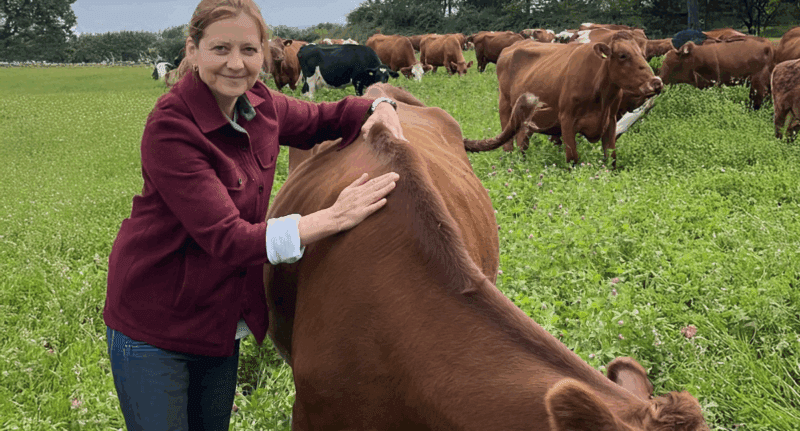
Agribot’s technology revolutionises pasture-based dairy farming by using satellite data to measure and forecast grass growth. Combining satellite remote sensing, climate modelling and AI, it provides farmers with precise, timely insights to optimise grazing and improve environmental sustainability with minimal manual effort.

Read More »

Accelerating agri-tech: EpiHerd

Antler Bio’s journey began in 2017, sparked by the founders addressing a key question from equine breeders: why do genetically similar horses perform so differently? Their research shifted from static genetic testing to gene expression—how genes are activated by factors like diet, health and training. This approach uncovered new biomarkers that explained performance differences. In 2020 Antler Bio was founded and began translating their technology to production animals to help understand why genetically similar cows may vary in productivity, health and sustainability. With support from the UK Agri-Tech Centre, Antler Bio secured an Innovate UK Smart Grant in 2022, marking the beginning of a transformative collaboration that enabled the translation of their technology to dairy cattle, identifying biomarkers that help farmers improve animal welfare, efficiency and profitability. Innovation story Antler Bio’s flagship innovation, EpiHerd, is a revolutionary herd screening platform that goes beyond traditional genetics. By combining transcriptomics, epigenomics and AI, EpiHerd analyses gene expression from a small blood sample taken from around 10% of a herd. This data is integrated with on-farm performance and health records and then processed using advanced bioinformatics and machine learning to uncover the root causes of performance variation. The result is a powerful decision-support tool for farmers. EpiHerd provides actionable insights into traits like yield, fertility, feed efficiency and health. It bridges the gap between genetics and environment, offering tailored recommendations on diet, habitat and husbandry to optimise herd performance. With regular testing, farmers can continuously fine-tune their operations, leading to healthier, more productive and more sustainable dairy systems.   Andy Lessey, COO at Antler Bio said: “The UK Agri-Tech Centre has been instrumental in EpiHerd’s growth from initial funding to dissemination and have provided critical infrastructure and ecosystem knowledge.” Collaboration and support The UK Agri-Tech Centre has supported Antler Bio’s growth from early-stage grant support to strategic introductions and access to a trial farm network. Their collaboration helped secure multiple Innovate UK grants, including projects focused on dairy cattle performance, milk nutritional quality and gene expression in calves and heifers. These projects, often in partnership with the University of Nottingham, have significantly advanced the development and validation of EpiHerd. Beyond funding, the UK Agri-Tech Centre has played a key role in dissemination, knowledge exchange and business development. Their support has enabled Antler Bio to scale its operations, attract investment— including a £3.25 million seed round in 2025—and expand its team from just three full-time employees in 2021 to 12 FTE today. Additional collaborations with the Animal & Plant Health Agency and Rothamsted Research are opening new frontiers in diagnostics and sustainability, further cementing Antler Bio’s role as a leader in agri-tech innovation.       If you want to learn more about EpiHerd or find out more about how the UK Agri-Tech Centre could help you, get in touch via [email protected] 

Read More »
Accelerating agri-tech: GelPonics

Accelerating agri-tech: GelPonics

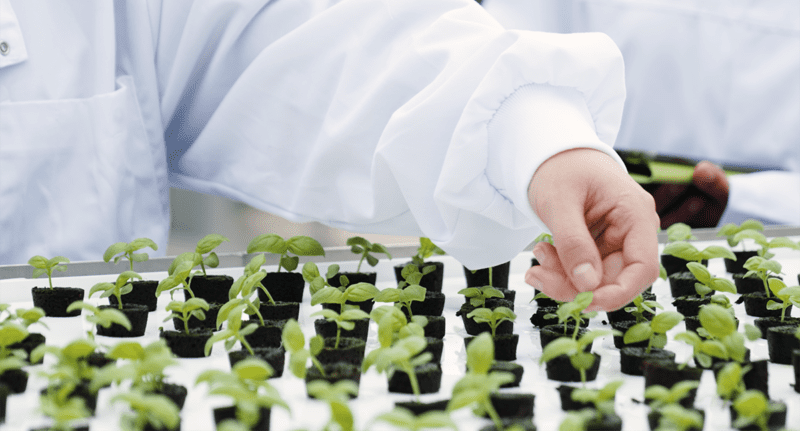
In 2020, AEH partnered with the UK Agri-Tech Centre on a three-year project – GelPonics – to develop, optimise and scale-up hydrogel-based substrates with highwater and nutrient retention capabilities that will meet growers’ specifications for reliability, quality and cost.

Read More »

Accelerating agri-tech: LettUs Grow

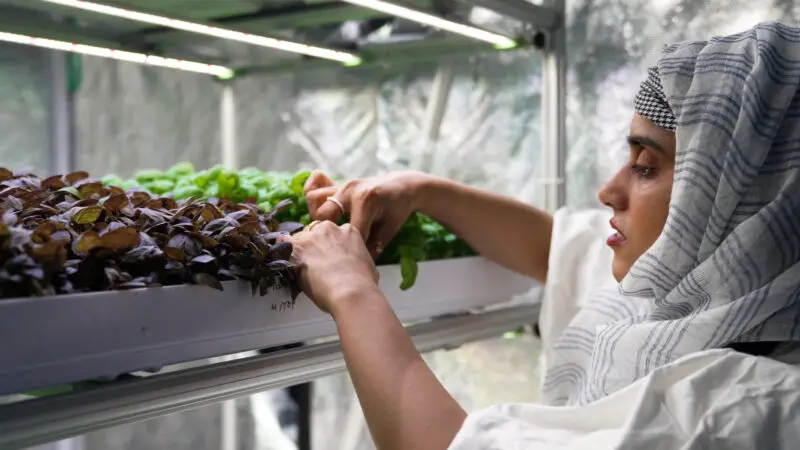
The LettUs Grow technology, which suspends plant roots in a nutrient-rich mist generated by ultrasonic sound waves, offers improved yields, reduced water use and minimised fertiliser usage.

Read More »
Accelerating agri-tech: Outfield Technologies

Accelerating agri-tech: Outfield Technologies

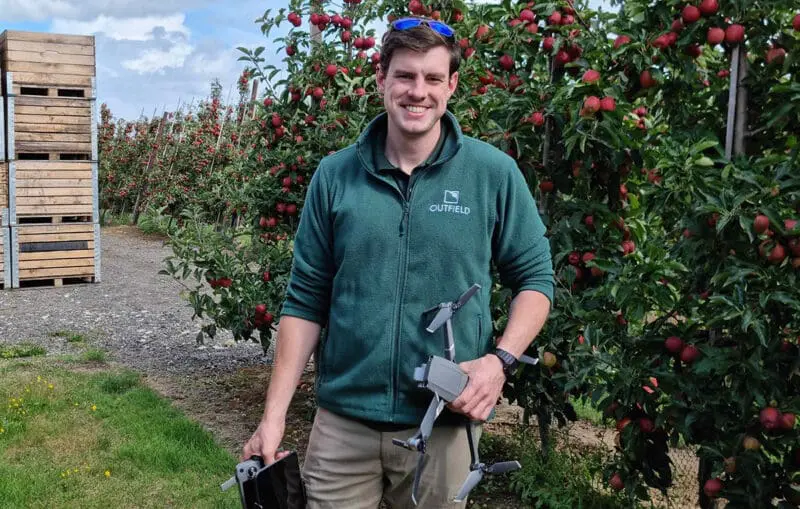
Outfield is a Cambridge-based agri-tech start up helping fruit growers to become more efficient, profitable and sustainable. The Outfield system is designed to provide farmers with accurate and reliable fruit counts, blossom mapping and yield estimates.

Read More »

Accelerating agri-tech: SWEET SUCCESS

The SWEET SUCCESS project responds to the bio-energy demand and the net zero transition, to increase yields of bio-energy crops, subsequently aiding energy generation, whilst not compromising land-use for food and housing.

Read More »