News Category: Insights

International Day of Women and Girls in Science 2026

Today (11 February) marks International Day of Women and Girls in Science, a day to celebrate women and girls advancing equally in science and to raise awareness of the future that females can have in the industry. As part of this event, the UK Agri-Tech Centre met with two scientists to explore their journeys. Breaking barriers in bioscience Dr Angela de Manzanos Guinot PhD, founded FA BIO in 2015. Her business’s vision is to build and protect the natural ecosystems sustaining life by unlocking the potential of untapped microbes. Their bioproducts aim to replace chemical inputs while restoring soil biodiversity, work that sits at the intersection of innovation and ecological stewardship. Angela said: “I have always had a very curious mind, fascinated by understanding how biological systems work at the microscopic and molecular levels. I didn’t grow up surrounded by scientists, but by patient parents who supported my curiosity – despite the many ‘tell-offs’ I received from my mother for destroying the pretty dresses she encouraged me to wear while I was busy climbing trees and exploring. While I did not face direct discrimination when first exploring a scientific career, I encountered scepticism regarding the professional avenues science could actually open. Since embarking on my training, I have been inspired by resilient women who fought against the tide, like my mother-in-law, who became a world-recognised researcher despite facing significant discrimination throughout her career. I don’t believe gender impacts one’s ability to be a scientist; in fact, at FA Bio, we are majority female. However, a ‘glass ceiling’ remains. Pairing career advancement with caring responsibilities is still extremely challenging in today’s society. We must support and protect mothers and carers to provide fair opportunities for all. It is refreshing to see more women receiving Nobel prizes and leading scientific advancements and I hope that for future generations, this level of success becomes so normalised that we no longer need specific days to recognise these ‘unsung heroes’.”   Growing a scientific career against the odds Dr Kerry McDonald Howard, Technical Delivery Specialist at the UK Agri-Tech Centre, dealt with challenges whilst entering the world of science. “I have always been obsessed with the natural wonders of the world, I was definitely that child that had jars of tadpoles under their bed and who spent all hours outside exploring the wilderness around! Straight away there was a gender barrier, from having constant debates with my Mom as to why dresses were silly and would restrict my scientific exploration, to being often told I could not do something that my brother could do because I was a girl. But I was not deterred, due to my neurodivergent mind (this helped), I would not take no for an answer when it was just not logical. Being a woman, however, meant that it took a lot longer to get into the academic world. “What greatly helped is the strong women that rallied me along at different points of my adult life; from working in pubs, to starting college, to an internship within a botanic garden. The strong female figures in my life ignited the sparks that fired me towards going for a PhD and becoming the person I am today. I now get to work with my passion and accelerate scientific innovation and technology development across the agricultural sector.” The UK Agri-Tech Centre supports businesses to develop their innovations to be technically and commercially robust, through bespoke programmes in the UK and globally, helping agri-tech businesses go further, faster. Both Angela and Kerry are living proof that science doesn’t belong to any one type of person. Their stories offer an honest and hopeful picture of what a career in science can look like. For more information about FA Bio or the UK Agri-Tech Centre and the work we do, visit fa-bio.net or get in touch at [email protected]

Read More »

Turning ambition into action for agri-tech with Growth Week

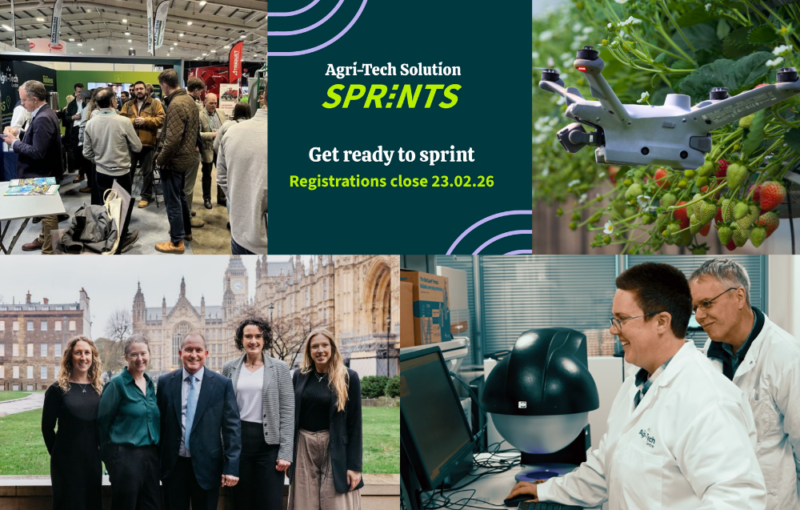
Growth Week was all about backing agri-tech businesses to grow with confidence. Between 2–6 February, the UK Agri-Tech Centre brought together innovators, farmers, investors and industry partners for a focused week of activity designed to help ventures overcome barriers, prove their solutions and move more quickly towards commercial success.   Through practical insight, specialist support and real-world connections, Growth Week showcased how the UK Agri-Tech Centre is evolving to support businesses at every stage of their growth journey. Part of the ‘Grow Your Own Way; We Mean Business When it Comes to Agri-Tech’ campaign, Growth Week highlighted what it takes to scale agri-tech successfully: practical support, strong supply-chain alignment, international opportunity and a focus on real-world impact.   Addressing barriers to growth Across the week, one message came through loud and clear: innovation alone isn’t enough. For agri-tech businesses to thrive, solutions must be robust, relevant and ready to scale within commercial farming systems.   Through expert-led podcasts and webinars, Growth Week explored the role of agri-tech in modern supply chains, the policy and regulatory environment shaping growth and how technology can be better aligned with the needs of farmers and buyers. Conversations were grounded in real-world experience, with perspectives from supply-chain leaders, policy experts, farmers and agri-tech founders who are navigating these challenges every day.   Helen Brookes, Engagement Director at the UK Agri-Tech Centre, said: “We really do mean business when it comes to agri-tech. Our ambition is to help the sector to grow through supporting agri-tech businesses; ensuring technology solutions are tested and trialled on-farm to be robust and relevant to meet industry challenges.”    Focused support from idea to impact A central theme of Growth Week was how the sector can move innovations through the pipeline more efficiently and deliver impact at scale.   Steve McLean, new CEO of the UK Agri-Tech Centre, said:  “We’re very focused on how we can help businesses adopt commercial realisation and move with pace and scale. In other words, how do we take concepts and land them in core commercial farming systems faster than they can without our assistance? The UK Agri-Tech Centre is evolving so that it’s very focused on what it delivers for our customers.”  This focus reflects how the UK Agri-Tech Centre is shifting to deliver greater value for agri-tech ventures. With test, trial and demonstration facilities across the UK, businesses are supported to generate robust evidence, strengthen credibility and accelerate adoption.   Sessions such as ‘How to ensure agri-tech is fit for farms’ and the ‘Capability roadshow’ on proving and validating solutions reinforced the importance of farmer insight and independent validation in helping innovations succeed in real-world commercial systems.     New initiatives to accelerate growth Growth Week also marked the introduction of new initiatives from the UK Agri-Tech Centre designed to help agri-tech businesses scale with confidence.   The FASTA initiative brings together technical specialists, industry leaders and sustainability advisors to support businesses developing MRV solutions, helping them refine propositions, accelerate commercialisation and grow through a single, joined-up programme.   Alongside this, the Agri-Tech Solution Sprints were announced, which are delivering focused, expert support to tackle specific growth challenges and move innovation closer to market more quickly. Registrations for the Solution Sprints are open until 23 February 2026, offering new opportunities for forward-thinking micro, small and medium-sized businesses.     Building global connections International opportunities were another strong thread running through the week. With a growing global demand for high-impact, sustainable agri-tech, Growth Week explored exporting to markets including the Middle East, New Zealand and Australia, sharing practical insights from UK businesses already operating overseas.   A highlight of the week was the in-person networking breakfast at Dairy-Tech, which welcomed a Canadian delegation through the Twin Pastures programme. The breakfast, alongside the panel session on ‘Global dairy innovation: Emerging technologies and trends from Canada’, provided valuable insight into cutting-edge livestock technologies and underlined the importance of international collaboration in accelerating innovation and commercial growth.     Looking ahead Growth Week was committed to delivering targeted, value-led, focused and meaningful insights for agri-tech ventures, supply chains and farmers.  As the UK Agri-Tech Centre looks ahead, the emphasis remains on impact: supporting agri-tech businesses to move faster, scale smarter and deliver technologies that make a real difference on farm and across the wider agri-food system.   Thank you to everyone who joined us online and in person throughout the week. If you missed any sessions or want to learn more about the Grow Your Own Way campaign and upcoming support, get in touch at [email protected]

Read More »

Unlocking opportunities in Bahrain for UK agri-tech businesses

In 2025, the UK Agri-Tech Centre worked alongside Bahrain’s Ministry of Municipalities Affairs and Agriculture (MoMAA) and the British Embassy Bahrain to support Bahrain’s Strategic Food Security objectives, while also creating a valuable international opportunity for UK agri-tech businesses ready to scale. The project focused on identifying practical, high-impact technologies from the UK that could strengthen sustainable food production in Bahrain’s climate, and help local growers improve productivity, resilience and resource efficiency. At the same time, it gave participating UK companies a supported route into a new market, helping them build relationships, validate performance in real-world conditions and explore long-term commercial pathways across Bahrain and the wider Middle East. Three UK agri-tech companies were selected to take part in the test and trial initiative: Polysolar, Ostara and Zayndu. Each business was given the opportunity to showcase its technology at MoMAA’s incubation site, creating a physical presence in Bahrain and enabling direct engagement with growers, ministry teams and key stakeholders across the sector.   Demonstrating UK innovation in real-world growing conditions Demonstrations were designed to be hands-on and data-led. This included Polysolar’s solar technology that was installed across two sites—MoMAA’s incubation site and the Bahrain Agricultural Development Company site—to explore how lightweight, flexible solar PV could support horticultural production. The arrays were split between 8kW and 4kW and trialled with different panel densities (10–30% shading), allowing performance to be evaluated across different crops, including tomatoes and salads. The trials are generating valuable insights on how the technology performs in a different climate, helping inform product development and market readiness both in Bahrain and beyond. Alongside renewable energy generation, the programme also introduced Ostara’s advanced automation for protected growing environments. A network of sensors and control systems was installed in a greenhouse at the MoMAA incubation site, monitoring internal and external conditions and enabling control of roof vents, fans, cooling pumps, shade netting, irrigation and fertigation networks. Training was delivered directly to growers, giving them practical experience in setting environmental targets and using real-time data to manage crop conditions remotely. The inclusion of predictive control, using weather forecasts to take proactive action, offered additional value in managing extreme temperature fluctuations and high winds. Seed performance and crop establishment were also a key focus. Zayndu’s cold plasma seed treatment technology was installed in a fully climate-controlled room at the incubation site, with hands-on training provided to MoMAA personnel. A range of seeds were treated and planted at the ministry site to demonstrate the impact of the technology and build local capability. In particular, the technology was trialled on Mimusops laurifolia seeds, well known for low germination. Results showed notable germination and reduced germination time compared to other treatments and control.   Creating momentum for international growth Beyond the technology installations, the UK Agri-Tech Centre’s role was to help ensure the opportunity translated into long-term momentum for participating businesses. The programme enabled companies to meet stakeholders, understand regional needs first-hand and explore collaboration opportunities that could lead to future deployments, partnerships and investment conversations. Since the visits, progress has continued: trials are ongoing, additional sales discussions have begun and wider regional opportunities, including in the UAE and Saudi Arabia, are being actively explored. Further work is also underway with local farmers to improve yields, alongside plans to support a Bahraini native seed bank and develop protocols for tree seed establishment across Bahrain. The project also delivered knowledge exchange at multiple levels. Training was provided to ministry personnel to support adoption and confidence in the technologies, and an open day helped showcase the innovations to external stakeholders across the supply chain. As the project develops, its economic, societal and environmental impact will continue to be monitored closely with each company, supporting both Bahrain’s food security ambitions and the international growth of UK agri-tech innovation.   Get involved By embedding UK agri-tech businesses into local ecosystems, the UK Agri-Tech Centre removes barriers to investment and opens commercial pathways, helping them to compete and thrive globally.   Read the full report   Are you serious about going global with your agri‑tech innovation? Find out how we can support your next stage of growth. Get in touch at [email protected].

Read More »

How artificial intelligence is finding its place on UK farms

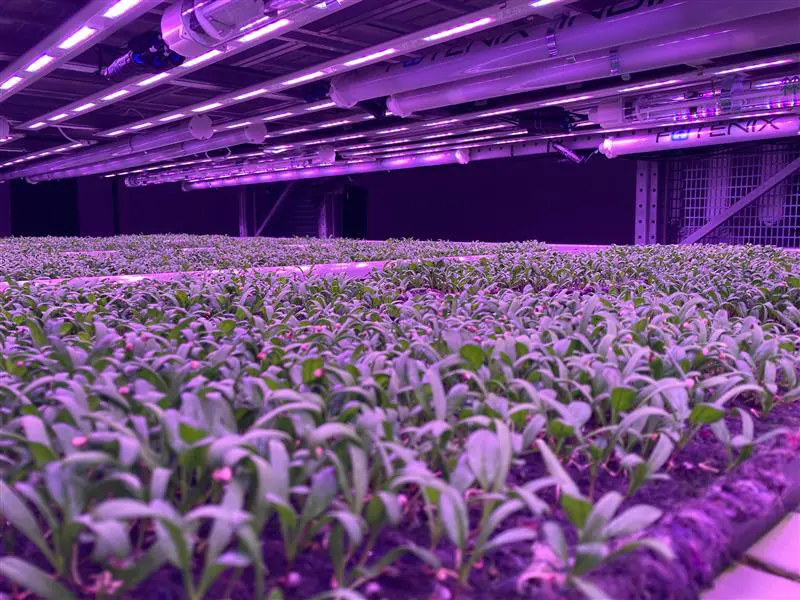
Artificial intelligence has moved well beyond experimental stages in most sectors and is well-integrated into our day-to-day lives. Advances in machine learning, sensor engineering and cloud computing now deliver practical, usable systems that analyse patterns and process real-time data at scales that were unrealistic a decade ago. Across the agri-tech sector, all signs point to increasing use of AI‑enabled decision support and data analytics in farming.  UK agri-tech is already seeing the rise of precision tools, data-driven tech and decision support platforms. AI is becoming a layer within this stack by interpreting images, automating data analysis and supporting day-to-day choices rather than sitting apart from them.   On many farms, artificial intelligence now sits alongside the other decision support tools people use every day in some capacity. The farms featured in our Farming Smarter documentary series demonstrated that AI is becoming part of the routine and is being used in practical ways, strengthening crop monitoring, biodiversity measurement and day-to-day decision-making.   Seeing the crop properly Crop monitoring is a good example. Walking crops will always matter, but human eyesight inevitably spots problems later on. Fotenix, an agri-tech innovator supported by the UK Agri-Tech Centre, uses multispectral imaging and AI-driven analysis to detect nutrient stress, disease and physiological changes before they’re visible. The imaging is non-destructive and precise, giving growers quick, clear signals rather than complex interfaces.   Fotenix’s model is grounded in commercial reality. They’ve spent years showing that earlier detection translates into less waste, better-timed interventions and stronger crop performance under real farm constraints, not only in research settings. It is now widely used across controlled environments and horticultural systems.     Measuring nature in a way farmers can use AI is also reshaping how we understand biodiversity on farms. ChirrupNano, developed through a collaboration between Chirrup.ai and the UK Agri Tech Centre, uses bio-acoustic sensors to turn birdsong into reliable biodiversity data. Featured in the Farming Smarter docuseries, it is a small portable device that can sit anywhere on the farm and autonomously identify 100+ bird species across Britain and Ireland.   ChirrupNano doesn’t require farmers to become ecologists, the system interprets acoustic data and benchmarks it against other farms, past recordings or national standards. Birds respond rapidly to change, making them powerful indicators of wider ecosystem health. Over 100 farmers are already involved in the rollout, helping shape the technology so it fits day-to-day practice and for farms to use as an evidence base.    Connectivity: A barrier and an opportunity For many farms, the main barrier to using AI tools isn’t cost or complexity; it’s connectivity. At the Oxford Farming Conference 2026, this point came through repeatedly. Discussions focused on whether tools genuinely strengthen resilience (the event’s central theme) and the consensus was that data now sits alongside soil and seed as a strategic input, but only when tools fit existing workflows and prove on-farm value.   A national survey in 2025 highlighted the scale of the connectivity issue:  60% of farmers say reliable internet access is critical for day-to-day operations.  8% of farms still have no internet access at all.   42% cite poor connectivity as a major barrier to adopting new tools.  Among farms with full fibre, 47% said it unlocked precision tools that were previously unavailable.    The effects go beyond agronomy. Poor connectivity reshapes how farm businesses operate and affects family life and community connections. The flip side is the opportunity – when high-quality broadband arrives, farmers adopt new technologies quickly and report immediate efficiency gains from precision applications to real-time monitoring and automation. Connectivity unlocks new service markets: remote diagnostics, cloud-based field maps, live biodiversity monitoring, sensor integrations and performance-based AI tools such as those used by Fotenix and Chirrup.ai.   The gap is therefore an opportunity waiting to happen. Where connectivity improves, adoption follows. And where adoption follows, demand grows for better analysis, richer datasets and smarter decision support.    Where AI adds real value The exciting part isn’t the novelty of AI, but the shift it enables from reactive to preventative decision making and when done well, the faster turning of farm data into useful information.  The farms in Farming Smarter aren’t showpieces for futuristic systems, they’re working landscapes run by people balancing risk, cost and responsibility. When AI tools work well, they support decision-making quietly and reliably and become part of the everyday toolkit farmers already know how to use.    Dr Sofia Hirscher, Technical Marketing Manager    If you want to test, trial and demonstrate your technology on farm or have any questions, contact us at [email protected]   

Read More »

Growth Week aimed at tackling barriers to agri-tech sector growth

The UK Agri-Tech Centre has announced it will host a dedicated Growth Week from 2–6 February as part of its ‘Grow Your Own Way; We Mean Business When it Comes to Agri-Tech’ campaign. The campaign is designed to highlight innovative and pioneering agri-tech companies that are transforming agriculture with new technologies, products and ideas, helping to stimulate economic growth across the sector. As part of the campaign, the UK Agri-Tech Centre has recently launched its FASTA initiative, which connects businesses with a network of technical experts, industry leaders and sustainability advisors. Through a single programme, participants can gain guidance to refine MRV solutions, speed up commercialisation and support business growth. The UK Agri-Tech Centre is also introducing its Agri-Tech Solution Sprints, offering specialist support to help businesses address growth barriers and bring innovation to market more quickly. Registration for the Agri-Tech Solution Sprints opens on 9 February for ambitious micro, small and medium-sized ventures. Growth Week will feature a mix of in-person events, virtual networking opportunities and expert-led sessions aimed at addressing challenges and unlocking new opportunities in agri-tech. The programme will showcase the importance of agri-tech within the supply chain and explore overseas markets, providing practical advice and insight to help businesses succeed. One focus of the week will be export development, with sessions examining opportunities in the Middle East and New Zealand and sharing guidance on scaling technologies internationally. James Kayam, International Business Development Manager at the UK Agri-Tech Centre, said: “International demand for high impact agri-tech has never been stronger. The Centre provides UK ventures a unique platform to showcase solutions that can also scale globally, opening the door to new export pathways in markets that are actively seeking sustainable, data driven technologies. We’re particularly excited to welcome a Canadian delegation to the UK during Growth Week through the Twin Pastures programme; their visit highlights the strength of UK–Canada collaboration and the real opportunity for businesses on both sides to accelerate knowledge exchange, collaboration and commercial growth internationally.” As part of Growth Week, the UK Agri-Tech Centre will host a networking breakfast at the Dairy Tech event on Wednesday, 4 February, from 9am. This will include a session on ‘Global dairy innovation: Emerging technologies and trends from Canada’ at 1.15pm, followed by a session at 1.30pm on ensuring agri-tech solutions are fit for farms. Attendees are encouraged to take part online or in person throughout the week. Helen Brookes, Engagement Director at the UK Agri-Tech Centre, said: “We really do mean business when it comes to agri-tech. Our ambition is to help the sector to grow through supporting agri-tech businesses; ensuring technology solutions are tested and trialled on-farm to be robust and relevant to meet industry challenges. This campaign celebrates the ingenuity and ambition of those in agri-tech who are committed to creating a resilient and sustainable agricultural sector.” For more information about the campaign and how the UK Agri-Tech Centre supports business growth, visit https://ukagritechcentre.com/news/join-us-for-growth-week-2026/

Read More »

Agri-tech in action: A January round up

From industry insights to supporting businesses to develop cutting-edge innovation across AI, robotics and automation and CEA, to thought-provoking conversations at events, we share our must-read roundup to keep you ahead of what’s shaping the sector.    Grow Your Own Way with the UK Agri-Tech Centre  This February the UK Agri-Tech Centre is hosting an exciting Growth Week dedicated to helping agri-tech businesses thrive. From exploring the role of agri-tech in the supply chain to uncovering opportunities in international markets, we’ll share insights and practical steps to accelerate your success.  Eager to know what’s coming up?  Running from February 2 – 6, Growth Week combines in-person events, virtual networking and expert-led discussions sessions that address real-world challenges and unlock the potential of agri-tech innovation. Throughout the week you’ll gain access to podcasts, live sessions and networking opportunities with global partners.  Register for Growth Week   Transforming crop management through AI   Fotenix are paving the way for smarter crop management with multispectral imaging and AI that can detect crop stress, pests and disease before they become visible, all without damaging the crop!  The UK Agri-Tech Centre has supported Fotenix’s success through access to facilities like the Vertical Farm Development Centre and Glasshouses, alongside connecting the business with a broad network of robotics companies, manufacturers and researchers. This collaboration and support has helped Fotenix generate valuable data and visibility to strengthen its commercial deployment and create new UK-based jobs.  What’s next? Fotenix are continuing their momentum and driving towards a future where plant-by-plant management becomes the norm.   See Fotenix’s success   FASTA (Food and Agriculture Systems Technology Accelerator) FASTA is a new initiative designed to help innovators scale Measurement, Reporting and Verification (MRV) technologies that support sustainable farming and carbon reduction. Backed by the UK Agri-Tech Centre and delivered in partnership with the Carbon Trust, FASTA provides bespoke expert support from key industry stakeholders and investor access to bring tested MRV solutions closer to market.   Registrations for FASTA close 23 January – don’t miss out!  Register for FASTA   Three things we learned at OFC that every agri-tech business needs to know  This year’s message from the Oxford Farming Conference (OFC 26) was that the sector is ready to move beyond ambition and into delivery. For agri-tech businesses, this shift presents both opportunities and challenges around collaboration, value driven adoption and turning insight into action. Helen Brookes, Engagement Director, shares her three takeaways from OFC that matter most if you’re developing, scaling or deploying agri-tech solutions.   Our OFC takeaways for your business   If you are interested in business support or have any questions, contact us at [email protected]  

Read More »

Accelerating innovation and growth for your agri-tech business with the UK Agri-Tech Centre

For businesses driving innovation in agri-tech, accessing the right support can make all the difference. Yet, finding the right expertise, testing environments and end-user insights needed to create viable and scalable solutions is not always straightforward. At the UK Agri-Tech Centre, we help businesses overcome these challenges by providing access to real-world test beds, connecting you with farmers and end-users and building robust evidence needed to drive adoption and attract investment. We offer a range of business support for organisations across the agri-food supply chain, helping you create a strong foundation for growth and accelerate your organisation’s journey. Does your business have a specific innovation challenge to overcome? Alongside our core business support, the following programmes are designed to help you rapidly overcome a defined challenge: FASTA – Supporting Businesses in MRV Technologies FASTA is a new accelerator for organisations ready to scale and commercialise measurement, reporting and verification (MRV) solutions. Backed by the UK Agri-Tech Centre and delivered in partnership with the Carbon Trust, the programme provides bespoke expert support from key industry stakeholders and access to investors to bring your tested MRV technologies closer to market. Innovators will gain: Tailored mentorship and technical support from experts at The Carbon Trust Access to the UK Agri-Tech Centre’s validation Capabilities Investor readiness sessions and bespoke pitch coaching A demo day where you’ll showcase your solution to corporates and investors   Registrations close 23 January 2026. Learn more here and register.   Agri-Tech Solution Sprints – Fast-paced innovation sprints Our newest business support programme Agri-Tech Solution Sprints is launching on 9 February. This initiative is designed to help micro, small and medium-sized businesses (SMEs) to overcome hurdles and progress their agri-tech solutions forward to commercialisation. Agri-Tech Solution Sprints are focused and fast-paced and designed to give you: Clarity and confidence in your next steps Validator assumptions through expert end-user feedback Connections that matter for scaling and investment A clear roadmap to move your innovation forward.   The UK Agri-Tech Centre will work with you to create a bespoke project to support your business to overcome its innovation challenge. If you would like to receive updates about the Agri-Tech Solution Sprints, sign up and find out more here.   Stay connected through the UK Agri-Tech Centre Community In addition to our programmes, the free-to-access Community offers ongoing insights into sector developments, upcoming opportunities, events and connections across the agrifood innovation landscape. If you’d like to explore how the UK Agri-Tech Centre can support your next steps, get in touch at [email protected].  Whether you’re refining a prototype or preparing for market entry, we’re here to help accelerate your innovation journey.
Read More »

Join us for Growth Week 2026

Grow Your Own Way with the UK Agri-Tech Centre. This February 2-6, the UK Agri-Tech Centre invites you to join us for an exciting week dedicated to helping agri-tech businesses thrive. Whether you’re looking to scale, export or simply connect with industry leaders, this week is packed with opportunities to learn, network and take your business to the next level. Our Growth Week programme combines in-person events, virtual networking and expert-led discussions designed to tackle the challenges and unlock the potential of agri-tech innovation. From understanding the role of agri-tech in the supply chain to exploring international markets, we’ll provide insights and practical steps to help you succeed. What to expect Throughout the week, you’ll gain access to podcasts, live sessions and networking opportunities with global partners. See below for a snapshot of what’s coming.     Why attend? This is your chance to connect with experts, farmers and agri-tech innovators from the UK and beyond. We’ll explore export strategies, focusing on opportunities in the Middle East and New Zealand and share practical advice on scaling your technology globally. How to sign up Register now for our live virtual networking session on Friday, February 6, 9:30 am – 10:15 am. This event is ideal for agri-tech businesses ready to take the next step toward market success. You’ll meet specialists, discover upcoming support programmes and learn about tools like FASTA for MRV technology businesses. You’ll have the chance to choose between four break-out sessions discussing: Early stage requirement scoping On-farm validation Attracting investors Export readiness   Register online and receive early access to our podcast sessions throughout the week. Spaces for the Dairy Tech networking breakfast are limited and offered on a first-come, first-served basis. Gain a first-hand view of the latest dairy innovations coming out of Canada. As part of the Twin Pastures initiative, this networking breakfast brings together Canadian agri‑tech companies and dairy-focused academics hosted by the UK Agri‑Tech Centre, offering you the chance to explore cutting‑edge technologies, fresh research insights and practical developments shaping one of the world’s most progressive dairy sectors. Don’t miss out on building valuable international connections! Register now

Read More »

Three things we learned at OFC that every agri-tech business needs to know

The Oxford Farming Conference (OFC 26) has always been a space for big thinking. This year, the message coming through most strongly at #OFC26 was that the sector is ready to move beyond ambition and into delivery. For agri-tech businesses, the shift presents both an opportunity and a challenge. Here are three key takeaways from OFC that matter most if you’re developing, scaling or deploying agri-tech solutions.    From ambition to implementation – and proving impact One of the strongest signals from OFC was that agriculture is shifting firmly from high-level ambition to practical on-farm action. Sustainability, productivity and resilience are no longer abstract goals. They are priorities that farmers, supply chains and policymakers expect to see delivered in real, measurable ways.  Agri-tech is no longer viewed as a “nice to have”. Instead, it’s increasingly recognised as a core enabler of this transition. For businesses, this means solutions must be ready to work in real-world farming conditions, deliver tangible value quickly and fit within the operational realities of farm businesses.  Through the UK Agri-Tech Centre, we support businesses to do exactly this, helping them access testbeds, connect with farming and generate the evidence needed to support adoption and investment. Implementation, not intention, is what will unlock the next phase of growth. Collaboration is non-negotiable Another strong and consistent message from OFC was that collaboration is no longer optional. Across sessions and discussions, innovation was framed as a shared endeavour, bringing together farmers, technology developers, researchers, investors and policymakers.  This reflects what we see every day: the most successful innovations are those shaped through collaboration from the outset. Co-development, on-farm trials and early adopter engagement not only improve solutions but also help de-risk innovation and accelerate uptake at scale.  Collaboration sits at the heart of how we work at the UK Agri-Tech Centre, bringing businesses together with farmers and the wider agrifood ecosystem. For SMEs, early engagement with partners is often what turns a promising idea into a solution ready for market.  Farmer-led design and clarity of value driven adoption  Finally, OFC reinforced the importance of farmer-led innovation. Adoption will not be driven by technology alone, but by solutions that fit into real farming systems and address real challenges.  Businesses need to clearly articulate the value they deliver: saving time, reducing costs, improving resilience or supporting compliance with evolving market and regulatory expectations. Designing with farmers, rather than for them, remains critical.  At the UK Agri-Tech Centre, industry and farmer engagement is crucial to how we support agri-tech businesses, ensuring technologies are developed and tested with end users in mind. This approach not only improves relevance but builds trust, a vital factor in driving adoption.  Turning insight into action The mood at OFC was pragmatic but positive. There is real momentum behind change, a growing appetite for collaboration and a clear role for agri-tech in delivering the future of UK food and farming.  The challenge now is to turn insight into action. Through specialist test and trial capabilities, a network of experts and strong links with farms across the UK, the UK Agri-Tech Centre supports businesses to test, validate and scale solutions that deliver real on-farm impact. Giving businesses the confidence to move from ambition to implementation.    By Helen Brookes, Engagement Director  If you are interested in business support or have any questions, contact us at [email protected]

Read More »