
As agriculture faces increasing pressure to reduce its environmental footprint, innovative solutions like biochar are gaining attention. This carbon-rich material, produced from biomass through pyrolysis, offers vast potential to improve soil health, sequester carbon and support the transition towards more sustainable agricultural practices. Its capacity to enhance productivity while helping meet climate change goals makes it a valuable tool for the future of farming.
What is biochar?
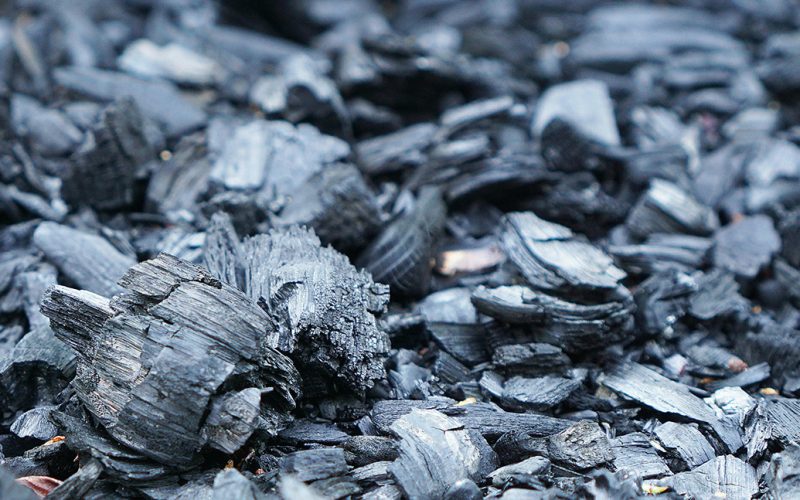
Biochar is a stable, carbon-rich by-product created when organic materials such as wood or agricultural waste are heated in an oxygen-limited environment during a process called pyrolysis. While it may look like ordinary charcoal, biochar has specific properties that make it highly effective in agriculture. It boasts a large surface area and porous structure, which allows it to retain water, nutrients and even capture environmental pollutants. When added to soil, biochar not only improves soil structure and fertility but also provides a habitat for beneficial microorganisms.
The historical use of biochar dates back to indigenous farming practices in the Amazon, where it was a key component in creating the fertile soils known as “terra preta.” Today, scientific interest in biochar has surged, driven by its potential role in sustainable agriculture and carbon sequestration. Its long-lasting stability in soil means it can lock carbon away for hundreds, if not thousands, of years, making it a promising Carbon Dioxide Removal (CDR) technology.
Biochar’s potential in sustainable agriculture
Biochar has a wide range of applications within agriculture, many of which align with the industry’s efforts to improve sustainability. Below are some of the ways biochar is transforming agricultural practices:
- Soil enhancement: Improves soil structure, increasing its ability to retain water and nutrients, which leads to higher crop yields. It can also reduce the need for mineral fertilisers by making nitrogen and other nutrients more available to plants.
- Feed additive: Biochar is used as a feed supplement for livestock to improve digestion and nutrient absorption. This not only enhances animal health and growth but also enriches manure, which can be used as a powerful organic fertiliser.
- Biogas plants: In anaerobic digestion (AD) plants, biochar stabilises the digestion process and boosts biogas yields by providing a favourable environment for microbial activity. It also improves the quality of AD digestate, which can then be used as a fertiliser.
Beyond agriculture, biochar’s applications include soil remediation, water filtration and even incorporation into building materials, offering further environmental and economic benefits.
Supporting top fruit’s journey to net zero
Project Spotlight: Biochar – Taking Commercial Apple Production to Net Zero
Strategic Theme: Sustainable Production
Funding: 24-month Innovate UK Farming Innovation Programme Feasibility Study
Consortium: UK Agri-Tech Centre, British Apples and Pears Ltd, Adrian Scripps Ltd, R E Collins Limited, Stocks Farm, H.L. Hutchinson Ltd and the University of Edinburgh.
The UK Agri-Tech Centre’s project on how biochar can help top fruit orchards, such as apple farms, transition to more sustainable practices, exploring the potential of biochar as an alternative to the traditional “grub and burn” approach used when orchards reach the end of their productive life.
Conventionally, old trees are removed and the wood is burned, releasing carbon into the atmosphere. However, the project aimed to use pyrolysis to convert this biomass into biochar, which can then be returned to the soil as an improver. This process not only reduces carbon emissions but also enhances the health and productivity of the soil for future crops.
Biochar and net zero
As the mitigation of climate change gains importance, biochar’s role in carbon sequestration is gaining recognition. When biomass undergoes pyrolysis, the carbon it contains is transformed into a stable form that resists degradation, effectively locking it away in soils for centuries. This carbon can be traded as carbon credits, providing an additional revenue stream for biochar producers. The voluntary carbon market, for instance, is creating economic incentives for biochar production.
This carbon capture capability, combined with its agricultural benefits, positions biochar as a crucial component of future farming systems designed to achieve net zero emissions. For the agricultural sector, where carbon insetting and offsetting are becoming increasingly important, biochar provides a practical solution that benefits both the environment and farm profitability.