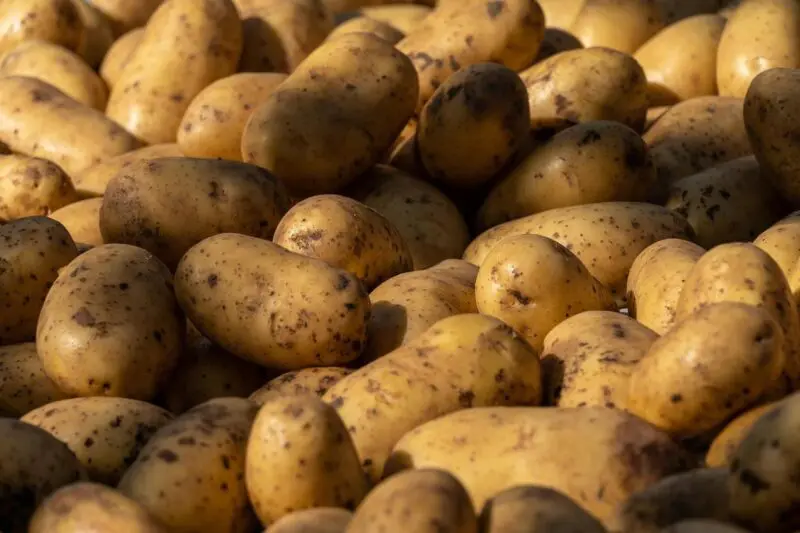
Boosting the future of potato farming with advanced trap crop strategies
The DeCyst project aims to improve the understanding of solanaceous trap crops and determine how they can be used to combat PCN

The DeCyst project aims to improve the understanding of solanaceous trap crops and determine how they can be used to combat PCN
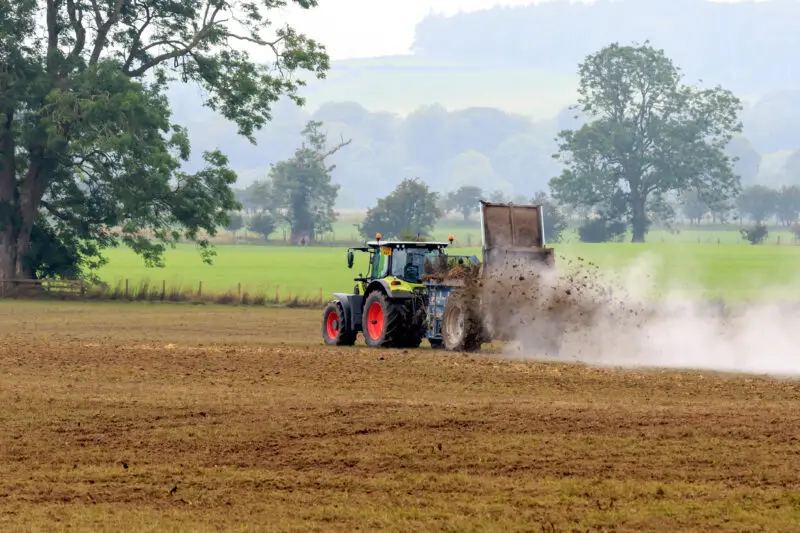
A new initiative is enabling farmers to optimise the use of livestock manure and nutrients as fertiliser, helping to reduce costs and environmental impact. The project, titled ‘Nutrient Utilisation and Recovery through Supercritical Extraction’, or NURSE, is being developed by a consortium of collaborators including Kairos Carbon Limited (lead), Cranfield University, Royal Agricultural University and the UK Agri-Tech Centre. It is a part of Defra’s Farming Innovation Programme, delivered in partnership with Innovate UK. NURSE is focused on developing hydrothermal technology to process livestock waste, recovering valuable nutrients and producing carbon-negative, non-leaching fertiliser. The process also enables permanent carbon sequestration, offering a sustainable solution for farmers. Megha Raghavan, CEO of Kairos Carbon Limited, said:“It is critical that we find ways to turn wet organic wastes from a problem into a resource. This technology has the potential to prevent environmental contamination, fight nutrient depletion and remove billions of tonnes of carbon dioxide from the atmosphere, making it a powerful tool in the fight against climate change.” The UK generates approximately 140 million tonnes of livestock waste every year, most of which is spread on farmland. However, less than half of the nutrients applied, such as phosphorus, are absorbed by crops when livestock waste is spread on land. At the same time, farmers are facing rising fertiliser costs, while fertiliser resources like phosphorus are being depleted. This project offers a sustainable solution by removing carbon before fertiliser is applied, helping to significantly reduce emissions. Its non-leaching properties also ensure that more nutrients are absorbed by the plants, reducing waste and lowering costs. Impacts for agriculture The hydrothermal technology developed offers direct benefits to farmers by recovering critical nutrients and materials from livestock waste in a condensed form. This enables the targeted use of low-leaching, sustainable fertilisers that help to reduce costs and improve crop yields. The technology will also allow for more effective waste management, decrease organic pollutants and capture carbon for storage, all while being energy neutral. These benefits also directly meet the UK’s requirements to improve the management of the livestock waste produced across England. Dr Stuart Wagland, Reader in Energy and Environmental Chemistry at Cranfield University, said: “Developing novel thermochemical processes to manage challenging wet wastes, dealing with emerging contaminants and recovering nutrients will have a significant impact across the UK and we are excited to be involved in this project.” Beyond directly benefiting farmers, Kairos also aims to further reduce emissions from UK agriculture and prevent pollutants and excess nutrients from entering water sources, helping to minimise the environmental impact of fertiliser use. The technology also addresses air pollution from livestock waste and other sources of agricultural emissions. Dr Karen Rial-Lovera, Associate Professor in Agriculture and Dean of Agricultural Science and Practice at the Royal Agricultural University, said: “This innovation seeks to support our growing need for sustainable nutrient management in agriculture. By repurposing waste products into a targeted fertiliser, the project has the potential to reduce contamination, waste and improve crop yields.” In addition, Kairos’ solution will create and safeguard hundreds of skilled jobs across its supply chain like farming and agronomy, which support rural communities, to chemical engineering in fabrication and maintenance. This technology is scalable and can expand to additional industries, including sewage sludge, municipal waste and hazardous chemicals. This expansion offers the potential to remove more emissions and pollution whilst making more nutrients available for agriculture. Charlie Bowyer, Farm Technology Specialist at the UK Agri-Tech Centre, said: “Manure is an invaluable source of on-farm nutrients in livestock systems, but it is not without its challenges. Challenges around cost-effective and sustainable manure and slurry storage and point and diffuse air and water pollution are all serious issues facing farms producing manure. Furthermore, the east-west arable/livestock divide has led to an asymmetry in the availability of organically-derived nutrients in farming systems. Technologies to effectively process manures to eliminate storage issues whilst adding value by concentrating or stripping nutrients are sorely needed and this project takes a step towards developing a fascinating process to achieve just this.” If you want to learn more about the NURSE project or other UK Agri-Tech Centre projects, please get in touch via [email protected]
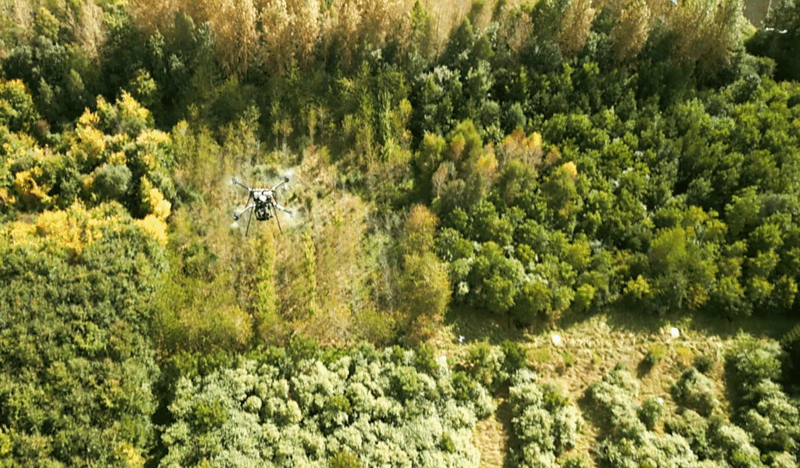
We are driving the future of farming through cutting-edge AI and advanced sensors, such as our spectral imaging technologies. Spectral imaging allows us to see what the human eye cannot, capturing light across multiple wavelengths to reveal hidden details in crops, soil and plant health. It’s a fusion of imaging and spectroscopy and it’s revolutionising agricultural diagnostics. We work with three core technologies: Multispectral Imaging: Efficient and cost-effective, ideal for assessing plant health using indices like Normalised Difference Vegetation Index (NDVI). Hyperspectral Imaging: Offers detailed spectral “fingerprints” for precise analysis of crop conditions and soil composition. Fluorescence Imaging: Detects emitted light to monitor chlorophyll and molecular markers, enabling early stress detection. These technologies are foundational to our intelligent agriculture solutions, enabling species identification, stress detection and non-destructive chemical analysis. Our AI-driven innovation pathway We offer a comprehensive suite of services designed to take your spectral imaging ideas from initial concept through to a fully commercialised product. Our process spans from understanding system requirements and identifying potential pitfalls, to implementation, unit testing and ultimately, market demonstration and commercialisation. Understanding product needs We begin by identifying the real-world challenges and opportunities. Leveraging our farm network, expert collaborators and in-house specialists, we ensure every project is grounded in practical agricultural insight. Laboratory testing and spectral imaging exploration In our Digital Phenotyping Lab, we use advanced imaging systems like the Hyperspectral Camera (VNIR/SWIR) and Videometer seed lab to detect minute spectral differences. This helps us uncover unique traits in crops and soil that can be used to build targeted AI models. Controlled glasshouse trials We scale up testing in our glasshouse facilities, including our Innovation Hub for Controlled Environment Agriculture (IHCEA). These trials simulate real-world conditions, validating lab results and refining AI models with robust data. Remote sensing capabilities With insights from the lab and glasshouse trials, we then move to field testing. Our UAV (Unmanned Aerial Vehicle) capabilities allow us to conduct large-scale surveys, gathering data across various terrains, which allows us to study organisms difficult to assess in controlled environments, such as forestry and livestock. Data processing, analysis and AI At every stage, we process and analyse data using advanced software and machine learning techniques. Our centralised data systems allow us to train AI models, such as random forest classifiers, to automate detection, classification and prediction tasks. This integration of spectral data with AI enables: Predictive diagnostics Automated phenotyping Real-time decision support Scalable data-driven solutions Commercialisation and market demonstration Once refined, we support collaborators in bringing their solutions to market. From go-to-market strategies to live demonstrations on our smart farms, we help showcase the value of AI-powered spectral imaging to investors, customers and stakeholders. Work with us The UK Agri-Tech Centre is involved in a number of innovative projects, including the UAV Tree Health project, bringing research level agri-tech capability to the forestry sector. In partnership with Vertinetik, the project utilises drones with highly sophisticated sensors to capture reflective light from tree canopies for assessment of tree disease pathogen status. The UK Agri-Tech Centre’s Spectral Imaging Specialist, Yingwang Gao, said: “At the UK Agri-Tech Centre, we have mature, ready-to-deploy spectral imaging sensors and cutting-edge imaging systems like SIF. We provide a one-stop ‘test, trial and demonstrate’ solution which will bring your ideas to life. We are looking for anyone who has a desire for precision farming to collaborate with us.” Whether you’re developing a new agri-tech product or exploring how advanced sensors can enhance your operations, we’re here to collaborate. Our pathway is designed to support innovation from concept to commercialisation, backed by expertise, facilities and a commitment to sustainable agriculture. If you want to learn more about spectral imaging or have any questions, please get in touch at [email protected].
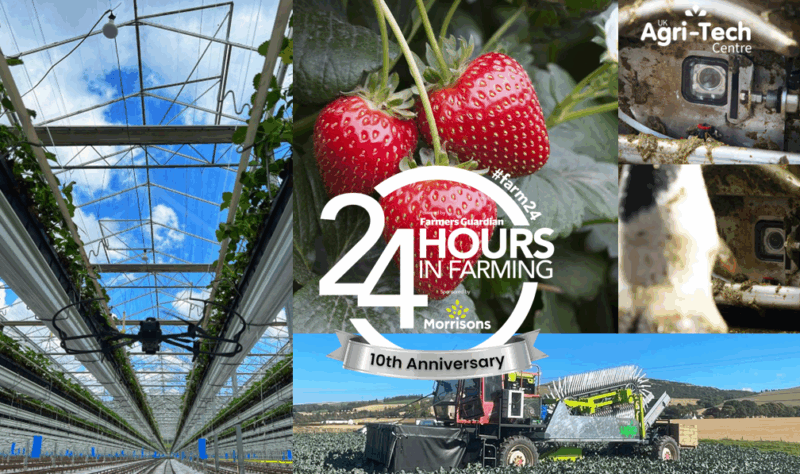
The UK Agri-Tech Centre backs Farm24 As part of Farm24, powered by Farmers Guardian and sponsored by Morrisons, we are shining a light on those working behind the scenes to help drive transformation, whether through the adoption of new agricultural technology or the introduction of innovative, time-saving ideas. We are proud to work alongside amazing collaborators all year round. We work with farmers and innovators across the industry who work tirelessly to get nutritious food on your plate; delivering innovative solutions to agriculture’s most complex challenges, including climate pressures, rising energy costs and shifting demands. What are we working on? Tackling waste, boosting nutrition – leftover broccoli used for protein outputs In an effort to tackle food waste, the UK Agri-Tech Centre worked with UPP on their broccoli harvesting project, SusProt. This innovative sensor technology provides a sustainable choice and helps provide more nutritious food options for the consumer, while also maximising the value of what we grow. By ensuring 100% of the plant is put to good use, rather than the typical 30%, UPP are helping to reduce food waste, lower food miles and ensures more broccoli makes it to the supermarket shelves. From daffodils to dairy cows Working with researchers and partners, we are exploring how a specific alkaloid found in daffodils can reduce methane emissions and improve the efficiency of feed protein utilisation by 50%. The ‘Dancing with Daffodils’ project benefits agriculture and society by enhancing productivity, reducing the need of high- cost, imported feed materials, improving food security and providing rural job opportunities. Strawberry pollination by drones We have collaborated on the ‘Precision Pollination’ project, which uses drone technology to enhance fruit yield and quality in UK strawberries. By using changes in airflow, these drones aid pollination efforts, giving growers better forecasting tools. This project aims to drive advancements in food security, sustainability, increased production and improved fruit quality. Early detection of lameness in dairy cows Lameness remains a major challenge within the dairy sector, so we are supporting HoofCount’s ‘Pedivue’ – a device that enables farmers to detect lameness at an early stage by visualising changes to hoof health. This allows farmers to intervene with early treatment, to help cut down future vet costs, improving animal health and welfare and producing higher quality milk. Innovation rooted in real-world challenges Technology continues to open doors for smarter, more sustainable farming. The UK Agri-Tech Centre is helping to drive the future of farming by connecting people, ideas and solutions, working with our partners and collaborators to tackle the challenges faced by farmers and agri-tech businesses. Let’s celebrate the future of farming, powered by passion, driven by innovation and rooted in collaboration. Join the conversation, support British farming and see how technology is helping us grow better, together. Want to know more about what we’re working on? Get in touch at [email protected].

Plant-based diets are on the rise, with vegan and vegetarian options now a staple on supermarket shelves. However, to meet the environmental concerns of those who are changing their diets and opting for plant-based alternatives, the food industry must encourage UK farmers to grow more protein-rich crops. In this article, Dr Réka Haraszi, Innovation Lead – Food & Drink at the UK Agri-Tech Centre, examines the growing importance of legumes, a popular plant protein. Why do plant-based proteins matter? Protein is essential for a balanced diet and is traditionally sourced from animal products like meat, dairy and eggs. Today, consumer demand is shifting towards plant-based and ‘flexitarian’ diets because of sustainability concerns around the consumption of meat. This shift opens new opportunities for plant-based alternatives, but we must ensure that we are not shifting the problems arising from the production of animal products to plant-based alternatives. The UK farming sector must adapt to be able to meet the demand for raw materials needed for plant-based food production. To make sure that alternative protein sources are sustainable, an integrated approach must be taken that considers the wider supply chain, consumer expectations and public health requirements. Examples of this include: Low volume crop proteins Insect and mycoproteins Technologies like precision fermentation and cellular agriculture Scalable plant-based protein sources Increased demand for plant proteins The demand for plant-based protein is continuing to grow, driven by the lower environmental impact and perceived health benefits compared to conventional animal protein. The global plant protein market shows a compound annual growth rate (CAGR) of 8-9% (UK market 8.25% CAGR) for the coming years, offering great potential for innovation. The uptake of plant proteins by the food industry is growing for both animal and human consumption and the right balance between these markets will help avoid waste and improve the quality of food and feed. These factors are already transforming the protein market. What are legumes? Legumes are a family of plants – including beans, peas and lentils – that are nutrient rich and can be consumed fresh or fried (as pulses). In the UK, crops like beans, faba beans and lupins are traditionally grown mostly for animal feed, specialist food processing (canned/frozen peas) or for export. The UK also imports other legume crops like chickpeas, peanuts, lentils, soybeans and dried peas for food processing. However, these are often sourced from areas of deforestation or use unsustainable production systems. If you are interested in the power of alternative proteins and would like to learn more, please get in touch at [email protected]
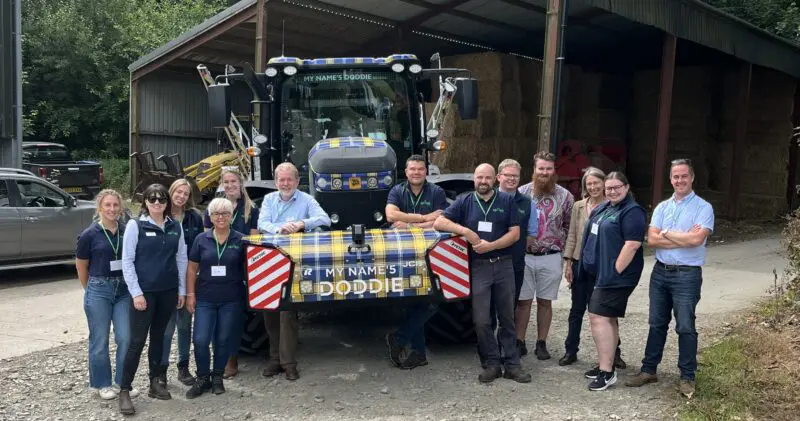
Farmers were able to see agri-tech in action during a farm walk on the Bowhill Estate, near Selkirk. Organised by the UK Agri-Tech Centre, more than 40 people attended the event on July 29 at the 6,500 hectare estate in the Scottish Borders, which is one of our satellite farms. With companies such as Ritchie showcasing its beef and lamb monitoring technology, Smaxtec talking about its bolus and health monitoring options, Soil Essentials demonstrating its Skai Sprayer allowing it to directly target weeds within the pasture leys and Smartbell demonstrating its health monitoring tags in cattle used for the early detection of disease, farmers were able to see agri-tech working within a farm setting. We had the pleasure of welcoming newly voted in chair of The Scottish Association of Young Farmers Clubs (SAYFC), Jillian Kennedy, who gave an insight into the work the Young Farmers group are doing to raise awareness nationwide on the positive future of Scottish Farming using the latest innovations. The event also saw a specially branded JCB Fastrac which had the My Name’5 Doddie livery on it. This was to raise awareness of the charity set up in memory of Scottish rugby legend Doddie Weir who passed away of motor neurone disease. Rob Morrison, the UK Agri-Tech Centre Head of Farms, said: “This event was about connecting farmers with agri-tech and showing what is coming down the line. Crucially, it was the smaller conversations that took place which are of real value and allow farmers to shape the sort of agri-tech they want to see and which will make a real difference.” Bruce McConachie, Head of Industry Development for Quality Meat Scotland (QMS), also spoke at the event and emphasised the role agri-tech has to play in a constantly evolving agricultural sector. Bruce said: “It is about understanding that agriculture has a key role to play, as long as we are relaying it in a consistent format. That is one of the key challenges in all of this.” For Bowhill farm manager Sion Williams, emerging technology was changing the way they farmed an estate which encompassed huge sheep flocks, a suckler herd, a deer farming enterprise and a biogas unit. He said working with the UK Agri-Tech Centre was helping bridge the wider challenge of getting key performance data from agri-tech trials ‘into the hands of farmers’ so it could make a tangible difference at farm level. If you want to learn more about Bowhill farm or are interested in our future farm walk events, please get in touch via [email protected]
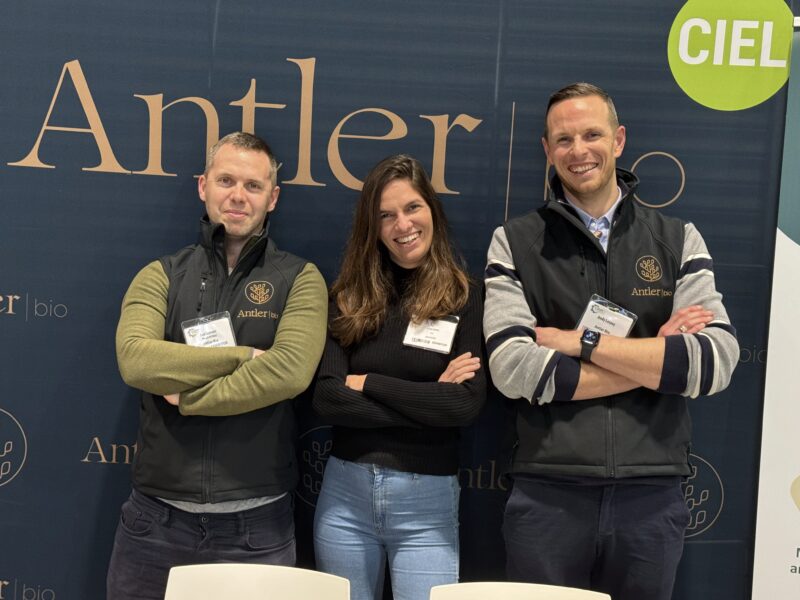
Antler Bio’s journey began in 2017, sparked by the founders addressing a key question from equine breeders: why do genetically similar horses perform so differently? Their research shifted from static genetic testing to gene expression—how genes are activated by factors like diet, health and training. This approach uncovered new biomarkers that explained performance differences. In 2020 Antler Bio was founded and began translating their technology to production animals to help understand why genetically similar cows may vary in productivity, health and sustainability. With support from the UK Agri-Tech Centre, Antler Bio secured an Innovate UK Smart Grant in 2022, marking the beginning of a transformative collaboration that enabled the translation of their technology to dairy cattle, identifying biomarkers that help farmers improve animal welfare, efficiency and profitability. Innovation story Antler Bio’s flagship innovation, EpiHerd, is a revolutionary herd screening platform that goes beyond traditional genetics. By combining transcriptomics, epigenomics and AI, EpiHerd analyses gene expression from a small blood sample taken from around 10% of a herd. This data is integrated with on-farm performance and health records and then processed using advanced bioinformatics and machine learning to uncover the root causes of performance variation. The result is a powerful decision-support tool for farmers. EpiHerd provides actionable insights into traits like yield, fertility, feed efficiency and health. It bridges the gap between genetics and environment, offering tailored recommendations on diet, habitat and husbandry to optimise herd performance. With regular testing, farmers can continuously fine-tune their operations, leading to healthier, more productive and more sustainable dairy systems. Andy Lessey, COO at Antler Bio said: “The UK Agri-Tech Centre has been instrumental in EpiHerd’s growth from initial funding to dissemination and have provided critical infrastructure and ecosystem knowledge.” Collaboration and support The UK Agri-Tech Centre has supported Antler Bio’s growth from early-stage grant support to strategic introductions and access to a trial farm network. Their collaboration helped secure multiple Innovate UK grants, including projects focused on dairy cattle performance, milk nutritional quality and gene expression in calves and heifers. These projects, often in partnership with the University of Nottingham, have significantly advanced the development and validation of EpiHerd. Beyond funding, the UK Agri-Tech Centre has played a key role in dissemination, knowledge exchange and business development. Their support has enabled Antler Bio to scale its operations, attract investment— including a £3.25 million seed round in 2025—and expand its team from just three full-time employees in 2021 to 12 FTE today. Additional collaborations with the Animal & Plant Health Agency and Rothamsted Research are opening new frontiers in diagnostics and sustainability, further cementing Antler Bio’s role as a leader in agri-tech innovation. If you want to learn more about EpiHerd or find out more about how the UK Agri-Tech Centre could help you, get in touch via [email protected]
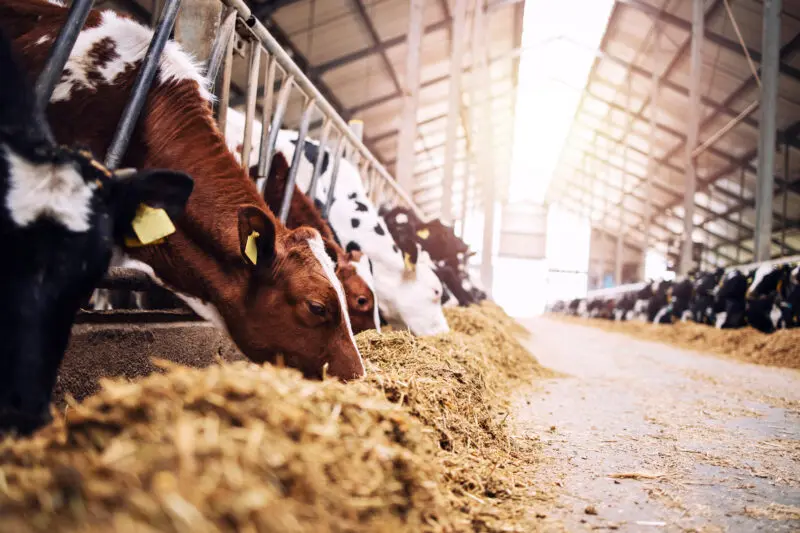
The UK Agri-Tech Centre’s Dairy Technical Manager, Mike Jones, takes us on a tour of his favourite dairy cows at the South West Dairy Development Centre, to celebrate Cow Appreciation Day (July 9). Mike helps look after a 200-cow dairy unit in Shepton Mallet, owned and managed by the UK Agri-Tech Centre’s farming partner, Steanbow Farms. As part of Cow Appreciation Day, Mike was keen to share a few interesting facts about his beloved dairy cows and what they get up to on a normal day. Mike said: “The cows in the all-year round calving herd make their own decisions and choose when they eat, drink, lie down and rest. They can visit one of the three milking robots to receive some cow cake and be milked. Currently, the herd is achieving a Lact average of 11,300 L at 4.2% BF 3.3% P, which is how much the average cow produces in lactation of 305 days, before she has a six-week holiday prior to calving again. The cows live in a clean, relaxed, calm environment and their fertility rate is excellent, with a pregnancy rate of 35%, well above the national industry standard.” To join Mike on his virtual tour around the farm, click the link to watch the video and meet Mike’s favourite cows. To find out more about the South West Dairy Development Centre, or learn about the work we do, email us at [email protected]
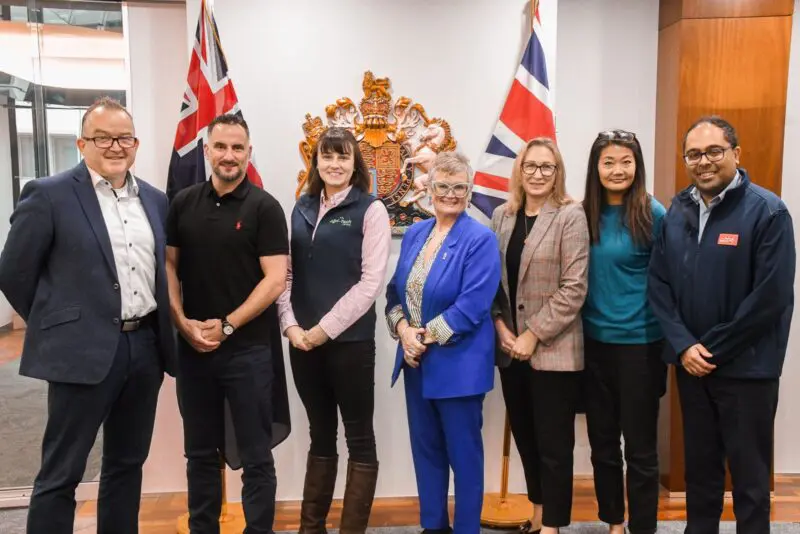
In June 2025, the UK Agri-Tech Centre embarked on a strategic mission to New Zealand, reinforcing our commitment to fostering international collaboration in agricultural innovation. Supported by the British High Commission and the UK Department for Business and Trade in New Zealand, the visit built on the 2024 Memorandum of Understanding signed with AgriTech New Zealand, opening new pathways for joint research, innovation and investment. Spanning two action-packed weeks, the programme included engagement with leading researchers, agribusinesses and innovation accelerators across Auckland, Hamilton, Palmerston North, Taupo and Tauranga. Central to the visit was our active participation in Fieldays®,the Southern Hemisphere’s largest agricultural event with a footfall of over 110,000 people, providing a platform to showcase UK capability and explore collaboration with one of the world’s most dynamic agri-tech ecosystems. James Kayam, International Business Development Manager at the UK Agri-Tech Centre, said: “New Zealand’s agri-tech sector is already a global player, combining deep farming heritage with digital innovation. Sharing cross-seasonality benefits, the UK and New Zealand both have maritime climates, fertile soils and a strong focus on producing high-quality food for demanding consumers. The UK has much to offer as a complementary partner, including access to our world-class science and research and a base for European markets and beyond. Through this visit, we’ve identified opportunities to work together on supporting Kiwi companies looking to do business or set up in the UK, identifying opportunities for UK companies in NZ and joint projects where we can work together in areas such as sustainability, automation and animal health.” Highlights from the visit During Fieldays, the UK Agri-Tech Centre engaged with key stakeholders including Fonterra, AgriZeroNZ, Plant and Food NZ, Bovonic and Horticulture New Zealand.Conversations focused on co-developing solutions for sustainable intensification, precision livestock management and low-emissions farming. A highlight was the UK Government-sponsored “Connected for Growth” event in which Carolyn Harris MP (Trade Envoy to New Zealand) gave an address to the Fieldays audience. The event included a panel discussion, where Dr Bethan John, the UK Agri-Tech Centre’s Animal Health Specialist, joined global expert leaders to discuss the power of innovation and collaboration in shaping the future of Agri-Tech. Beyond the Fieldays event, site visits further enriched the mission, which included: Sprout Agritech, New Zealand’s premier agrifood-tech accelerator and its portfolio company BioLumic, whose pioneering UV crop treatments have transformative potential. TCS NZ Ltd, developers of automation and digital process control solutions with ambitions to enter the UK market. EKO360 Tnue, whose controlled-release fertiliser technology is helping farmers improve nutrient efficiency while reducing environmental impact. Cucumber, who are combining custom software development, biosensing innovation and digital strategy to help businesses make smarter, data-driven decisions. Bluelab, a leader in horticultural automation and sensing tools, empowering growers with precision control over their growing environments. Robotics Plus, an agri-tech innovator developing autonomous vehicles and smart automation solutions to tackle labour shortages and boost productivity in horticulture and forestry. Zespri International, the world’s largest kiwifruit marketer, whose scale, innovation and global reach are a testament to New Zealand’s horticultural leadership. Dr Bethan John, Animal Health Specialist at the UK Agri-Tech Centre, said: “What stood out throughout our time in New Zealand was the openness to collaborate and the clear alignment in goals—particularly around animal health, food system resilience and sustainability. There’s strong potential to co-create solutions that can collectively benefit farmers, consumers and the planet.” Collaboration to address real-world challenges The visit also provided opportunities to address sector-wide challenges, from labour shortages and climate adaptation to regulatory alignment and farmer adoption of new technologies. Shared values around responsible innovation, One Health and digital transformation were central to many discussions. As we return to the UK, the UK Agri-Tech Centre remains focused on progressing conversations with our New Zealand counterparts. Whether through joint R&D, market entry support or innovation exchange, we are excited to translate dialogue into action—fostering impactful partnerships that support global agricultural resilience. Thank you to all the individuals and organisations who hosted, collaborated and shared their insights. We look forward to the next chapter of agri-tech collaboration between the UK and New Zealand. If you would like to learn more about this visit, international knowledge change or have any questions, please get in touch via [email protected]
The UK Agri-Tech Centre has welcomed the UK Government’s recognition of agri-tech as a key ‘frontier’ industry within Advanced Manufacturing, outlined in its Industrial Strategy. It also recognises the sector’s role to deliver ambitious growth, enhance productivity, strengthen climate resistance and reduce the emissions from agriculture. A strategic vision The Strategy, published today (June 23) identifies the high-potential industries that develop and commercialise strategically important technologies and describes how the Government will support their development and growth. It highlights eight priority sectors, with Advanced Manufacturing – encompassing agri-tech – among them. Another key frontier industry is Digital & Technology, which includes Engineering Biology, covering precision breeding supported by a secondary legislation that passed in the House of Commons on May 13, 2025. Fuelling innovation across the sector The Strategy is a ten-year plan committed to the promotion of free and fair trade through strong international partnerships and the reduction of regulatory burdens, speeding up the development of innovation, including via the Regulatory Innovation Office. It also acknowledges the importance of UK-wide expertise and commits to supporting a nationwide approach to targeting areas across the UK that support the sectors included in the Industrial Strategy. Alongside the Strategy’s publication, Defra has also confirmed its commitment to invest £200 million into the Farming Innovation Programme through to 2030, aiming to help unlock the potential of the agriculture sector. The UK Agri-Tech Centre’s CEO, Hannah Senior said: “We welcome the UK Government’s recognition of agri-tech as a frontier industry to deliver on ambitions for growth, to boost productivity, build climate resilience and reduce emissions from agriculture. The UK Agri-Tech Centre has a successful record of supporting government ambitions in these areas and has already made an impact in driving company growth and industry adoption. Our nationwide capabilities and deep sector-wide expertise now have even greater potential to be maximised via this Strategy and we shall continue to work with Government, its agencies and the sector to bring it to fruition. We also welcome the Strategy’s ten-year scope: agri-tech requires forward thinking on behalf of innovators and investors, but there are long-term dividends for the economy and society from its successful creation and deployment. The Strategy’s commitment to promote free and fair trade is also critical: there are significant global production needs, but also opportunities. The UK Agri-Tech Centre has established connections in international markets and is therefore well placed to deliver on these ambitions. We also welcome the Government’s recognition of the role of a regulatory environment that is conducive to innovation. We are working with the Regulatory Innovation Office and are actively working on unlocking opportunities around regulation for automation & robotics and insect bioconversion. It is encouraging to note the Government’s recognition of the importance of nationwide expertise via strategic clusters; we are proud of our UK-wide suite of cutting-edge facilities and expertise to support the test, trial and adoption of agri-tech innovation – successfully delivering solutions through to commercialisation. Finally, we welcome Defra’s commitment on the back of the Strategy’s publication to allocate £200 million in FIP up to 2030 to support the homegrown adoption of technology that can make a real difference on farms in England and Wales, supporting productivity and resilience in the agricultural sector and the agri-tech companies whose products can enable this.” To find out more about the Industry Strategy or how the UK Agri-Tech Centre is supporting the growth of the agriculture sector, please get in touch via [email protected]