Archives: News & Insights

Supporting the future innovators of the agricultural sector: Highlights from Initiate 2025

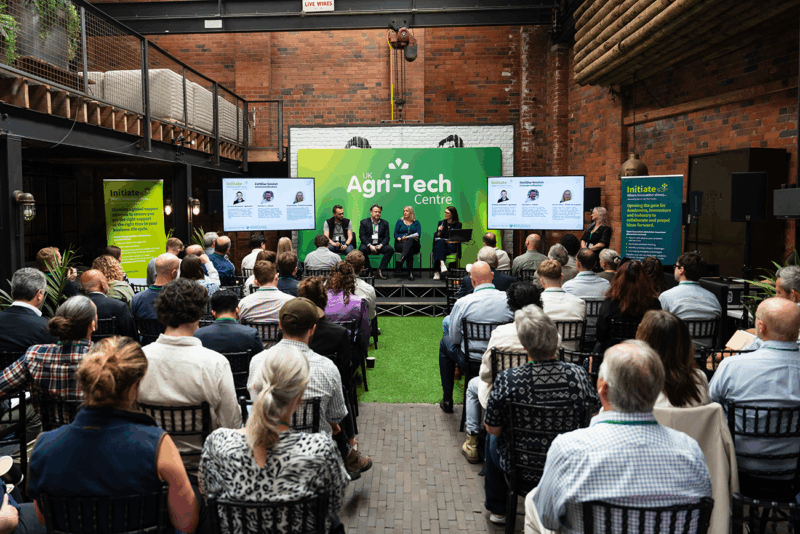
The UK Agri-Tech Centre hosted its inaugural flagship event, Initiate, in Birmingham on June 17, bringing together a diverse range of start-ups, SMEs, corporates and industry professionals from across different sectors within the innovation ecosystem. Initiate acts as a launchpad to spark new ideas, fresh collaborations and meaningful conversations that could shape the future of agri-tech. The key objectives of the day were to put emphasis on being a cohesive and collaborative ecosystem, showcasing how, by coming together from our different areas of expertise, we can make a direct impact on the sector. Initiate is designed to create a network that ensures innovators across the ecosystem can get the right support at the right time, helping them transform and elevate their ideas into scalable solutions that address real-world challenges across the agri-food sector.   Morning panel sessions: Ideation to commercialisation The morning featured ‘In Conversation with’ panels – Seed, Germinate and Fertilise – sponsored by Innovate UK ICURe, Satellite Applications Catapult and Barclays. These sessions offered attendees the opportunity to hear directly from entrepreneurs and experts who have successfully navigated the journey from start-up to scale-up and entering the world of commercialisation. Key takeaways: Prepare to be agile in a constantly evolving landscape Getting the right support at the right time is crucial Collaboration is important but it is critical to choose the right strategic partners Ideas are only as strong as their execution Regulations, misalignment of funding cycles and working in isolation can be a challenge, so identifying timelines and resource requirements early makes a difference     Afternoon workshops: Opening the gate to open innovation Discussions continued into the afternoon, transitioning into workshops that focused on open innovation. These sessions encouraged collaborative discussions between academics, innovators and industry leaders to frame real challenges, propose solutions and explore how emerging technologies can be leveraged to drive progress. Panel 1: Entrepreneurial mindset – The key to making connections and driving mutually beneficial collaboration This session highlighted the need for focus. The advice given was to break down your technology offering into value-chain or operational silos, understand your data needs and deliver a compelling value proposition to your end-user. Panel 2: Gaining competitive advantage – Ensuring you have the right model to scale your business This session highlighted the vast array of research and connectivity that a scaling business needs to undertake before pressing forward to commercialisation. It emphasised the importance of research, validation and finding the right strategic partners. Panel 3: Strengthening the ecosystem: Supporting agri-tech Innovation from the ground up This workshop reinforced a clear takeaway – we are not short of great ideas, but it is essential to have the right infrastructure, including people, platforms and partnerships, to build an agri-tech system that is smarter, faster and well-connected.   Wendy Hewitson, UK Agri-Tech Centre’s External Engagement Manager, summed up the day saying: “Initiate truly lives up to its name. We’ve sparked a powerful network of networks and the next step for us is to ensure that we keep the momentum going. Watch this space for future updates!”   Looking ahead Initiate showcased how fertile the agriculture sector is. It highlighted the potential for cross-sector innovation, where ideas from other industries can be adapted, refined and applied within the sector. It aims to encourage fresh thinking, new value streams and enable companies to become more agile and adapt to fit future regulatory shifts, climatic changes and external pressures. The UK Agri-Tech Centre is a key player in supporting the future of the agriculture sector. Events like Initiate play a crucial role in building a resilient and collaborative ecosystem that supports the scale-up of innovative companies and technologies and we’re looking forward to hosting the next iteration.   If you are interested in learning about how you can be involved in the evolution of the agriculture sector or want to learn more about the Initiate event, get in touch via [email protected]
Read More »

Derisking the transition to regenerative agriculture using systems thinking

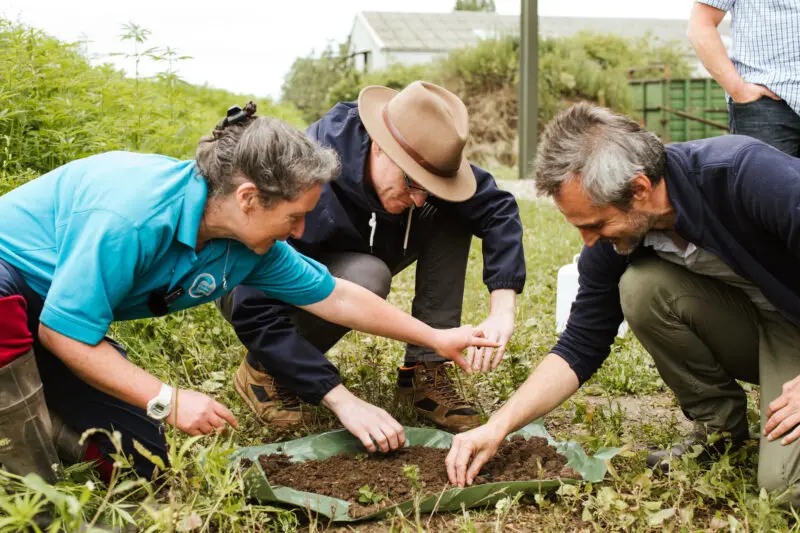
Regenerative agriculture plays a vital role in improving soil health, enhancing biodiversity and ensuring the long-term sustainability of food production. However, many farmers face significant barriers, including financial risks, knowledge gaps and uncertainty about short-term economic returns during the transitions. A recent event hosted by the UK Agri-Tech Centre and EIT Food brought together stakeholders from across the supply chain in an Open Innovation Forum focused on how to de-risk the transition to regenerative agriculture. The event highlighted the power of systems thinking and collaborative innovation in overcoming barriers and accelerating change. The focus areas of the forum: Reducing risks for farmers transitioning to regenerative agriculture Building a stronger support network by integrating technology and engaging stakeholders across the supply chain   Evolving perspectives Open discussions and collaborative thinking throughout the forum altered the perceptions of the attendees around who holds responsibility for the transition to regenerative agriculture. While farmers were initially seen as the primary drivers of change, participants left with a broader understanding that a holistic, systems-thinking approach that involves the entire agrifood supply chain is essential.   A systems-wise approach to change Roundtable discussions provided a platform to share knowledge and ideas on how the agrifood supply chain can collaborate to support the transition to regenerative agriculture. They focused on the use of technology, policy and collaboration to overcoming barriers to adoption. Throughout the day four key themes rose: De-risk the transition: The financial and operational risk of transitioning should not fall solely on farmers but rather shared across the supply chain. Proposed solutions included transition funds and retail incentives to ease the burden. Data standardisation: Data should focus on measuring the impact of transitioning, with artificial intelligence and automation to help simplify data handling, create data frameworks and support compliance. Behavioural changes: Education, training and clear communications about the benefits of regenerative agriculture is needed across the supply chain, from consumers to policymakers, to build understanding and momentum. Holistic approach: Long-term success requires a holistic approach with buy-in from the entire supply chain to support the entire ecosystem from biodiversity and soil health to farmers and food quality. Proposed solutions include benchmarking and focusing on success metrics rather than just crop yields.   Open innovation breaks down traditional silos to enable knowledge and ideas to flow freely. It fuels faster, more creative solutions and empowers businesses to turn ideas into real-world impact. More opportunities are needed for open collaboration across the sector to drive forward sustainable solutions and turn these initial discussions into actions. Download the full report below to find out more about the Open Innovation Forum.     If you are interested in learning more about our Open Innovation programmes, visit the Open Innovation webpage.

Read More »

ADOPT announces more funding and support to empower farmer innovation

More information has been released about the ADOPT Fund, including confirmed funding rounds, timescales and how farmers can make the most of this opportunity. This initiative, part of the Farming Innovation Programme funded by Defra and delivered by Innovate UK, aims to support farmer-led research and development projects with significant funding and expert guidance. It offers farmers, growers and foresters in England the opportunity to trial and test practical solutions to on-farm productivity and sustainability challenges. The next round of funding has been announced and it offers farmers the chance to apply for additional support for their innovations – however applicants have until June 25, 2025, to apply for the Full Grant Round 1 of funding. What is ADOPT? ADOPT stands for Accelerating Development of Practices and Technologies and is designed specifically for farmer-led innovation, helping farmers turn their ideas into practical trials. The fund provides two types of grants: Support Grants: Up to £2,500 to help develop ideas and bring in expert facilitators Full Project Grants: Between £50,000 and £100,000 for farmer-led projects Farmers can apply directly for a full grant or start with a support grant to develop their ideas first. Why ADOPT Matters ADOPT focuses on testing and trialing ideas or solutions that are either new or not yet widely used. It encourages farmer-led collaboration, working with other farmers, advisers, researchers and partners to significantly improve productivity, resilience and sustainability. The fund aims to demonstrate to other farmers, growers or foresters how these innovations can benefit them through on-farm trials with clear goals and measurable outcomes. What’s open now? Round 1 includes a full grant option for farmer-led, on-farm projects between £50,000 and £100,000, which closes June 25, 2025. Multiple rounds of both Support and Full Grants will run through the rest of 2025 and into early 2026. Facilitator Support Grant   Round Opens Closes Round 2 June 12, 2025 July 23, 2025 Round 3 July 24, 2025 September 2025* Round 4 September 2025 October 2025* Round 5 October 2025 November 2025*   Full ADOPT Grant Round Opens Closes Round 2 June 26, 2025 August 20, 2025 Round 3 August 21, 2025 October 2025* Round 4 December 2025 February 2026* Round 5 To be announced — *Dates subject to change You can apply for a Support Grant and Full Grant in the same or different rounds, depending on what works best for your timeline. Full details and updates can be found on the Farming Innovation Programme.  The ADOPT Support Hub is a consortium that brings together a diverse range of expertise and resources to support farmers throughout their ADOPT-funded projects. The consortium includes: UK Agri-Tech Centre: Provides cutting-edge agricultural technology and innovation to support on-farm trials and research ADAS: Offers expert advice and consultancy services in agriculture, helping farmers design and implement effective trials Innovative Farmers (part of Soil Association): Facilitates farmer-led research and collaboration, promoting sustainable and organic farming practices   The Support Hub offers free and fully-funded expert guidance and advice, helping farmers develop their project ideas, apply to ADOPT, find collaborators and share results to maximise impact. Thomas Slattery, Farming Innovation Support Manager at the UK Agri-Tech Centre, said: “The consortium is here to help you every step of the way and we want farmers to benefit from as much help and support as possible to benefit the industry. We offer one-to-one advice from real people, help with understanding the eligibility and can give feedback on draft applications. Help is available to make the process as smooth as possible and enable farmers to benefit from this support. The consortium can connect applicants to facilitators, collaborators and events, whilst offering support with webinars, FAQs and practical guidance.” Tips for applicants There are multiple rounds throughout the year and into 2026, so potential applicants have time to consider their options if they are not ready straight away. Applicants should save their answers outside of the system if they have already started an application, as any unsubmitted forms won’t carry over. Whilst you can go straight to apply for a full grant, there is an optional support grant available to help with the process, which often helps to build a stronger case. For more information about the ADOPT Fund and Support Hub visit https://farmpep.net/adopt/front or contact them on 0800 9878006 or [email protected]    

Read More »

Defra Farming Innovation Investor Partnership

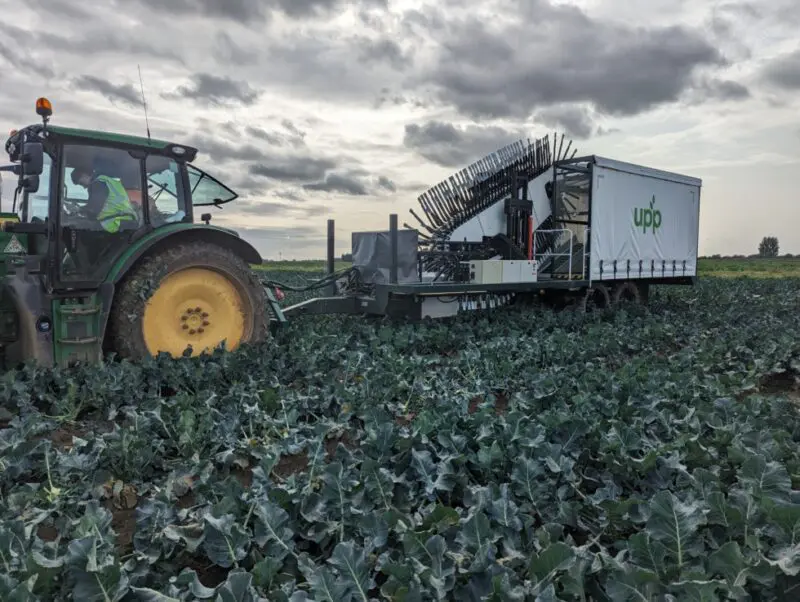
We know how challenging it can be for SMEs at a relatively late stage in the R&D process to secure funding. Meeting investors who have a track record in investing in start-ups at this point is critical. In response to this difficulty, Defra and Innovate UK have launched the second round of their highly successful Innovation Investor Partnership. From Monday, June 2, UK-registered SMEs developing agri-innovation will be able to apply for a share of up to five million pounds. According to the Investor Partnership rules, this “must be aligned with private investment from selected investor partners”. Participants could also get the opportunity to pitch their business to a large pool of engaged investors. The competition opens on Monday, June 2, 2025 and closes on Wednesday, July 2, 2025, at 11am. The competition aims to: Develop ambitious late-stage innovative solutions, technologies, systems or approaches that will make significant steps towards improving productivity, profitability, increasing sustainability and resilience; Help the agriculture sector move towards achieving Net Zero emissions by 2050; and Support the commercialisation of late-stage experimental development projects that are close to market and ultimately their adoption by farmers.   Proposals must demonstrate how the project will benefit farmers, growers or foresters in England. UPP, which operates out of the UK Agri-Tech Centre’s Midlands Hub was successful in the previous round of the Investor Partnership, securing over £350,000 in grant funding from Defra, and more than £700,000 in private investment. The UK Agri-Tech Centre’s Business Growth Manager and agri-tech investment specialist, Jos Lovegrove-Fielden said: “This is a real opportunity for businesses to meet a selected pool of engaged investors and in parallel, bring in grant funding if successful in securing investment. “The Investor Partnerships programme provides a unique vehicle to accelerate businesses from concept and start scaling. Many companies that we work with should be encouraged to apply. “If you are a business beginning to look at a late seed or Series A round, please consider looking.” For more information, click here. For a full list of participating investors, click here. A webinar for interested SMEs will take place on Thursday, June 5, at 11am: Register now.   If you would like to know more about this Farming Innovation Investor Partnership or any other current funding opportunities, please get in touch via [email protected]  

Read More »

Memorandum of Understanding agreed between the UK Agri-Tech Centre and The Spanish National Research Council

The UK Agri-Tech Centre is delighted to announce the signing of a Memorandum of Understanding (MOU) with the Spanish National Research Council (CSIC), through its Institute of Natural Resources and Agrobiology of Salamanca (IRNASA-CSIC), which will help to advance agri-tech innovations and provides a framework for bilateral collaborations that address global agricultural challenges. The MOU underscores the two organisations’ mutual dedication to promoting agri-tech development, facilitating collaboration and driving forward industry advancement. Both the UK Agri-Tech Centre and the CSIC bring unique strengths to the collaboration projects, leveraging the UK’s expertise that includes precision agriculture, climate-smart technologies and animal health, alongside Spain’s innovations in agroforestry systems, sustainable inputs and renewable energy applications. The vision is to bolster business growth, innovation, research and collaboration in the agri-tech sector—solidifying a shared commitment to addressing global agricultural challenges and enhancing sustainability through joint initiatives. Key areas of collaboration include: Sustainable Agriculture and Climate Resilience Precision Agriculture Digital Agriculture Agri-Food Innovation Knowledge Exchange   Linsey Cresswell, Head of Strategic Partnerships and International at the UK Agri-Tech Centre, said: “This Memorandum of Understanding represents a significant step forward in fostering international collaboration to drive meaningful innovation in agri-tech. Together, we aim to build financially viable, resilient and sustainable agricultural systems to address the challenges of climate change and food security.” Mar Siles Lucas, Director of IRNASA-CSIC, said: “This partnership with the UK Agri-Tech Centre demonstrates our shared vision of advancing scientific and technological research to benefit society and the environment. By working together, we can achieve impactful results for both nations and beyond.” Shona Brown, Senior Trade and Investment Adviser at the British Embassy, Madrid, said: “I am delighted to see that the close collaboration between Irnasa-CSIC and the British Embassy in Madrid has contributed to the signing of an MOU which underlines commitment to work closely with the UK Agri-Tech Centre and develop mutually beneficial R&D and commercial opportunities between the UK and Spain.” This closer way of working can only bring positives and encourage solutions to the challenges the agricultural industry is facing, especially within the current climate. It also supports market entry strategies for businesses in both countries and further strengthens the agri-tech sectors in the UK and Spain.     For further information about this Memorandum of Understanding, please contact [email protected] or visit www.ukagritechcentre.com to find out more about the work the UK Agri-Tech Centre does.  

Read More »

Transforming dairy farming at the South West Dairy Development Centre (SWDDC)

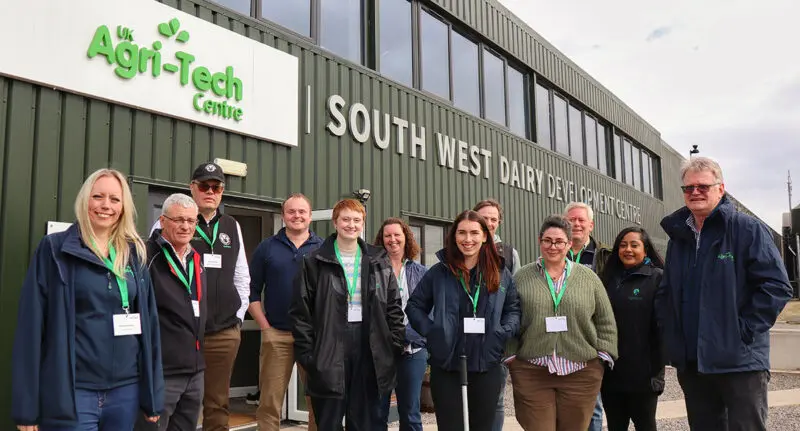
The UK Agri-Tech Centre’s South West Dairy Development Centre (SWDDC) offers state-of-the-art facilities for research, development and demonstration. With a focus on optimising productivity, the centre gathers more data points on individual cows than any other herd in the country to trial agri-tech and new approaches, all while upholding the highest standards of animal health and welfare through technological integration.   SWDDC is home to Steanbow Farms’ herd of 200 dairy cows, which makes up an all-year-round calving herd. The data points collected at the centre give a holistic view of the impact that emerging technology has on cow health, welfare and production. Herd fertility at the centre is excellent, which is reflected in current fertility KPI’s with a submission rate to AI at 80%, current conception rate at 45% and an above industry standard pregnancy rate of 35%. The cows make their own decisions on when to eat, sleep and get milked, which leads to a calm, contented herd and an efficient system that helps to enhance cow health and welfare. Mike Jones, Dairy Technical Manager at the UK Agri-Tech Centre, compares the barn and herd to a “happy family on a cruise liner holiday”.     The precision grazing system at the SWDDC is a model of efficiency, managing grazing with cow tracks, electric fenced paddocks and a grazing gate across a 42-hectare (104-acre) platform. SWDDC boasts the UK’s first fabric-roofed building, featuring a translucent roof material that transmits 20% of natural light and lightweight steel uprights. A significant upgrade in 2022 saw the relocation of robots to enhance operational efficiency. An upstairs meeting room allows visitors to observe the herd from above, watching them being fed automatically and seeing the cows in a relaxed and calm state.  The facility provides an unparalleled environment for developing, testing and demonstrating new technologies and techniques. It supports sustainable, efficient, high-health and welfare and cost-effective milk production.   The centre is involved in various innovative projects, including:   In 2024, the centre welcomed 1,039 visitors who witnessed firsthand the power of robotics and sensor technology combined with state-of-the-art housing and precision grazing.     To learn more or get involved with the South West Dairy Development Centre, contact Dairy Technical Manager Mike Jones at [email protected].  

Read More »

Plasma technology in agriculture 

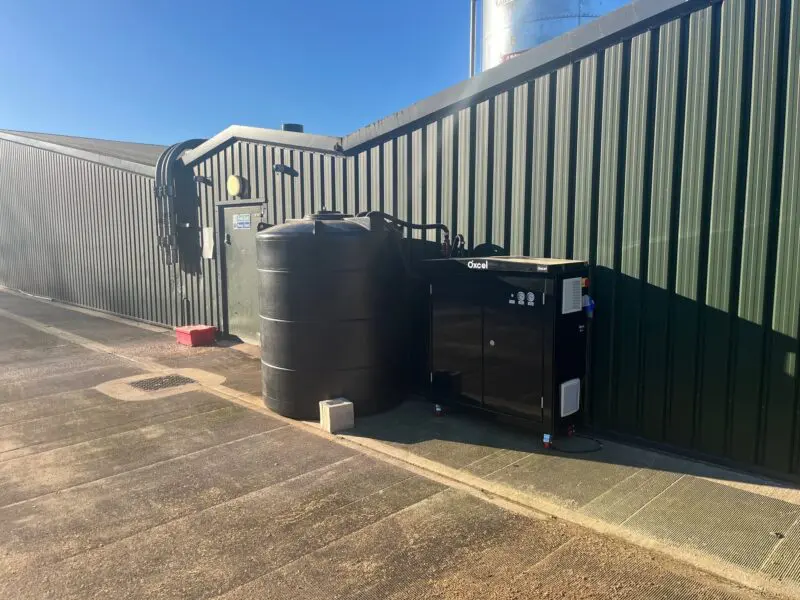
Plasma technology within the agri-tech sector is a sustainable, chemical-free tool with the potential to improve crop production, plant health and fertiliser systems. Already widely applied in sectors such as healthcare, manufacturing and electronics, plasma is now being investigated for its potential to deliver environmental and economic benefits across agriculture.  Plasma is often referred to as the fourth state of matter — a charged, energetic state formed when gases like air are exposed to an electric field. When gas is energised to a certain point, electrons are stripped from atoms, resulting in a mix of free electrons and ions. This makes plasma electrically conductive and responsive to magnetic fields. Natural examples of plasma include lightning and the Northern and Southern Lights.  In agriculture, these can be used to treat seeds, reduce pathogens, promote plant growth or even synthesise nitrogen fertiliser. Most notably, plasma-activated water (PAW) and on-farm plasma-based fertiliser systems are emerging as viable alternatives to conventional seed treatments, pesticides and nitrogen fertilisers.  The UK Agri-Tech Centre is currently supporting innovation in this space through research, business engagement and technology demonstration, working with companies and consortia aiming to bring plasma closer to widespread on-farm application.  Plasma in practice  While plasma technology remains in the early stages of adoption within agriculture, interest is growing. Cold plasma, generated at low temperatures, is being explored for its ability to enhance plant growth and resilience. By treating seeds and crops with cold plasma, farmers can potentially reduce the need for chemical fertilisers and pesticides.  PAW, created by exposing water and ambient air to cold plasma, has shown promise as a natural, residue-free treatment for seeds and crops. Its antimicrobial properties can support disease control, while its ability to stimulate seed germination and root growth positions it as a potential alternative to chemical inputs.  Similarly, new systems for producing fertiliser directly on farm using plasma and slurry are being explored as part of a shift towards circular, lower-emission production methods. These technologies align with wider ambitions to reduce reliance on imported fertilisers and improve the sustainability of nutrient management.  Industry innovation  The potential for plasma in agriculture is being actively explored by several UK-based organisations, some of which are working in collaboration with the UK Agri-Tech Centre and Innovate UK.  Looking ahead  As pressures mount to reduce synthetic input use, lower emissions, and improve soil health, plasma technology offers a potential route to achieving more sustainable and circular agricultural systems. However, to move from promise to practice, greater focus will be required on technical optimisation, integration with existing farm infrastructure and clearer regulation.  Despite these opportunities, several technical, economic and regulatory challenges remain. Plasma systems are often energy-intensive and many have yet to be proven at scale in real-world agricultural settings. Further work is needed to understand the biological interactions, refine delivery mechanisms and build robust, science-led regulatory frameworks to support commercialisation.  With targeted research, continued innovation and support from industry networks, plasma-based solutions could play a valuable role in enhancing the resilience and sustainability of UK agriculture in the years to come.    If you want to learn more about plasma technology or have any questions, please get in touch via [email protected]

Read More »

Experts explore new marine protein to enhance poultry feed

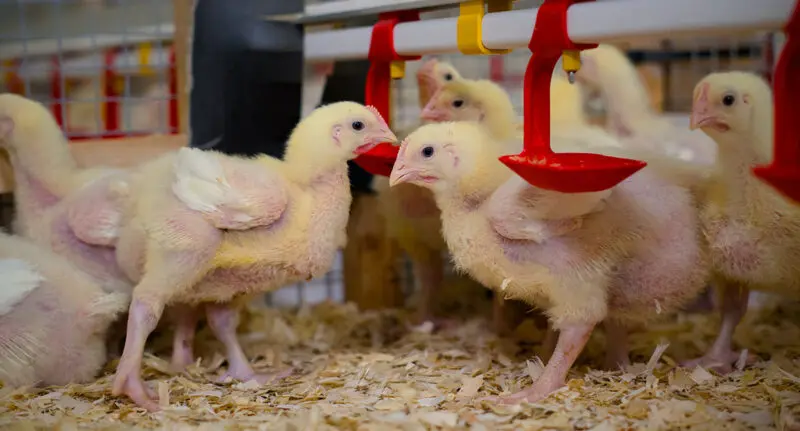
A group of industry professionals is exploring a fishmeal alternative derived from marine protein sources to evaluate potential benefits for gut health and growth performance in meat chickens. The Innovate UK initiative, ‘Farmed Marine Proteins for Poultry Feed’, assessed the viability of using Artemeal – a protein product made from artemia – as a novel replacement for fishmeal in the diets of young broilers. The aim was to monitor health outcomes, optimise growth and reduce environmental impact. Aquanzo Ltd, the project’s lead partner, has collaborated with Scotland’s Rural College (SRUC) and the UK Agri-Tech Centre to introduce a sustainable alternative to traditional fishmeal, offering a long-term solution to the current marine protein ingredient crisis. Traditionally, marine ingredients, in the form of fishmeal, are considered among the most nutrient-rich feed options for young terrestrial animals (like chicks and weanling piglets) and aquaculture species. However, the environmental toll of harvesting wild marine resources is significant, involving substantial greenhouse gas emissions from long distance transport and a delicate reliance on ecosystems already under pressure from climate change. Additionally, as demand for poultry and animal feed has soared in recent decades, marine ingredient harvests have remained relatively stagnant over the past 40 years. This imbalance has driven up costs and pushed fishmeal out of many poultry diets due to economic constraints. Rather than merely identifying substitutes, Aquanzo has taken a different approach by developing technology to cultivate artemia – a marine zooplankton – at scale on land. This sustainable production system transforms artemia into a marine protein ingredient fit for animal feed.     What are the benefits? Farming artemia offers a long-term solution to the over-exploitation and use of wild marine protein ingredients. It enables the production of feed that maintains the nutritional advantages of fishmeal without the environmental downsides of ocean harvesting. The process also supports the UK’s circular economy by utilising agricultural byproducts as a feedstock to grow artemia. For feed manufacturers, this means access to a consistent, customisable and high-quality ingredient with lower emissions compared to harvested marine proteins. This level of quality control and sustainability is not achievable through traditional marine sourcing. Aquanzo has conducted a full life cycle assessment (LCA) of Artemeal to support ongoing improvements in sustainable production. Dissemination and knowledge exchange are strong components of this project through engagement with an expert advisory panel and wider stakeholders, to ensure the project aligns with the industry’s technical, environmental and commercial needs. The successful demonstration of Artemeal in starter broiler feed (replacing fishmeal) opened the way to shaping a new sector in the animal feed industry. Alongside other novel protein sources like insect meal and single-cell proteins, farmed marine proteins will support the development of a strong and resilient livestock feed industry across the UK and beyond. What are the impacts? The project will deliver: Farming marine protein has the potential to revolutionise the animal feed sector by combining the nutritional value, taste and energy of marine ingredients, with the scalability and controllable and sustainable precision platforms of farming. Aquanzo estimates that future industrial-scale Artemeal production could yield thousands of tonnes annually. Within five years, this would be enough to supply over 10% of all UK poultry starter diets (for chicks), feeding more than 100m birds. Aquanzo’s broader mission is to deliver Zero Ocean Impact protein alternatives to feed manufacturers, farmers and consumers. This could provide significant productivity and health benefits for farmed animals and improve protein production sustainability by optimising genetics, feedstocks and artemia production systems. Remi Gratacap, CEO of Aquanzo, said: “This project came together thanks to an amazing team who made it all run smoothly. We showed that fishmeal can successfully be upgraded with locally farmed marine ingredients in chick diets, proving a sustainable long-term solution to harvesting wild resources.” Lee Cocker, Project Manager at the UK Agri-Tech Centre, added: “This has been an important and fascinating project and I am extremely proud to have been part of a team that has made such positive advances. The future is bright for Artemeal.” Jos Houdijk and Marwa Hussein, researchers at SRUC, commented: “It was great to observe that birds fed Artemeal during the first days of life outperformed those fed fishmeal and that this carried through to being heavier at harvest. These benefits concurred with beneficial impacts on gut microbiome and immune organs, suggesting a great future of Artemeal for robust, resilient poultry production.”     If you want to learn more about the Farmed Marine Proteins for Poultry Feed initiative, get in touch via [email protected]
Read More »

UK-India collaboration grows through new Agri-Tech Accelerator programme

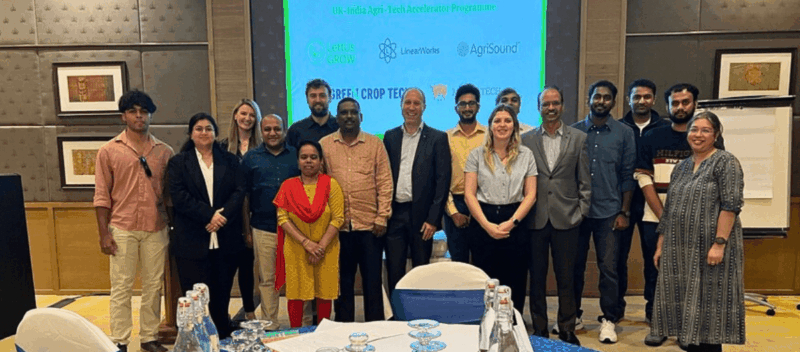
India’s agricultural sector plays a pivotal role on the global stage, with 220 million hectares of cropped land and nearly half of the nation’s workforce employed in agriculture. Between 2023–2024 alone, the country’s agri-exports reached $53 billion, emphasising the importance of food security and economic resilience. Yet, as India strives to modernise and boost productivity, there are clear opportunities for innovative agri-tech solutions. The UK Agri-Tech Centre recently delivered a high-impact UK–India Agri-Tech Accelerator, designed to deepen collaboration between these two nations at the forefront of agricultural innovation. In collaboration with the UK Government, the accelerator was developed to foster links between UK and India’s agri-tech ecosystems, to support sustainable agriculture, strengthen trade and R&D links, and facilitate the commercialisation of cutting-edge technologies tailored to India’s needs. The programme identified key areas of opportunity within the agricultural landscape, with a strategic focus on precision technologies to support climate-resilient crop production. Four key themes were prioritised: · Precision breeding · Crop surveillance technologies · Controlled environment agriculture and precision application systems · Data-driven decision-making tools Five pioneering UK agri-tech businesses were selected to take part in the accelerator, each offering innovative solutions aligned with India’s agricultural priorities: Mutus-Tech – Specialising in AI-driven pest management and fertiliser optimisation. Green CropTech – Delivering nanotechnology-based biostimulants for enhanced crop protection. AgriSound – Deploying bioacoustic sensors to monitor pollination in real time. LinearWorks – Harnessing hyperspectral imaging and drone technology for advanced crop monitoring. LettUs Grow – Innovating in aeroponics for controlled environment farming and yield optimisation. Dr Jenna Ross OBE, Senior International Business Development Manager at the UK Agri-Tech Centre, said: “The aim of the UK–India Agri-Tech Accelerator programme was to establish a network of agri-technology experts, innovators and end users from the UK and India, to create on-going opportunities for agri-tech exchange and partnership, boosting food security and unlocking growth for UK and India based agri-tech businesses. Phase one of the accelerator involved selecting five UK businesses to attend a weeklong curated programme, where they had the opportunity to gain an immersive understanding of India’s agricultural ecosystem, accelerating the opportunity for collaboration and to bring their products to market in India”. A week of immersive engagement The delegation embarked on a weeklong programme across Delhi, Hyderabad and Bengaluru. Through a combination of field visits and workshops, the UK businesses were immersed in India’s diverse agricultural ecosystems, meeting researchers, incubators, investors and government representatives. Each city offered unique insights into regional agricultural priorities and innovation hubs, enabling participating businesses to engage directly with potential partners and stakeholders. Starting in Delhi, the group participated in an ideation and collaboration workshop which included representatives from Government (Indian Council of Agricultural Research ICAR, Ministry of Agriculture), research centres (IARI), incubators (Pusa Krishi), VCs (Think Ag) as well as start-ups and corporates. This workshop facilitated connections with Indian investors and venture capitalists, laying the groundwork for future funding opportunities and partnerships. In Hyderabad, the group visited International Crops Research Institute for the Semi-arid Tropics (ICRISAT), a research centre of the CGIAR consortium (a global partnership uniting international organisations engaged in research about food security), conducting research to develop and improve dryland farming and agri-food systems to address the challenges of hunger, malnutrition, poverty, and environmental degradation in the drylands of Asia and Sub-Saharan Africa. The five companies also participated in an ideation and collaboration workshop with key stakeholders in the region including agri incubators of ICAR, ICRISAT and start-ups. These interactions opened up opportunities for co-development and testing of new technologies in real-world settings. A workshop in Bengaluru identified state level challenges and opportunities for UK-India agri-tech collaborations and included stakeholders from across industry and academia. The delegation travelled to the University of Agricultural Sciences, Bangalore, and participated in a round table discussion where strategic areas for collaboration were identified. They then visited the Centre for Cellular and Molecular Platforms (C-CAMP), an initiative supported by the Department of Biotechnology, which catalyses cutting-edge research and innovation in the life sciences. These engagements helped establish areas for tech testing and validation, crucial for adapting UK technologies to the Indian market. Navneeta Katyan, Co-Founder & CEO of Green CropTech, said: “Overall, the UK-India Agri-Tech Accelerator Programme has enabled us to explore collaborative opportunities, validate our product-market fit in India, and make strategic adjustments to our business plan to support a ‘soft landing’ in the Indian market.” The visits and workshops provided a valuable platform for two-way knowledge exchange with the UK companies showcasing their technologies, and Indian stakeholders sharing potential synergies and real-world challenges, all helping shape future collaborative opportunities. The appetite for collaboration was clear, not only from stakeholders, but from Indian agri-tech innovators keen to explore opportunities in the UK as well. This two-way potential is an exciting next chapter in the UK–India agri-tech journey. Swati Saxena, Senior Science & Technology Officer at the UK Science & Technology Network, British High Commission, Delhi, said: “The UK to India Agri-tech Accelerator visit programme showcased the strength of UK agri-tech innovations and fostered meaningful collaborations with India’s vibrant agri-innovation ecosystem. The UK businesses gained key market insights and identified strategic partners, while Indian start-ups and incubators showed strong interest in collaborating – highlighting a shared drive for sustainable agri innovation.” This programme has laid a strong foundation for future collaborations, reinforcing the shared commitment of both nations to leverage technology for a more resilient and sustainable future. With continued engagement and investment, this initiative promises to drive game-changing innovation, benefiting farmers, agri-tech businesses and wider stakeholders across both countries. If you would like to learn more about the work being done in the agri-food sector both domestically and overseas, get in touch via [email protected]
Read More »