The 48-month R&D project aims to help reduce global methane emissions by up to 30% by 2030.
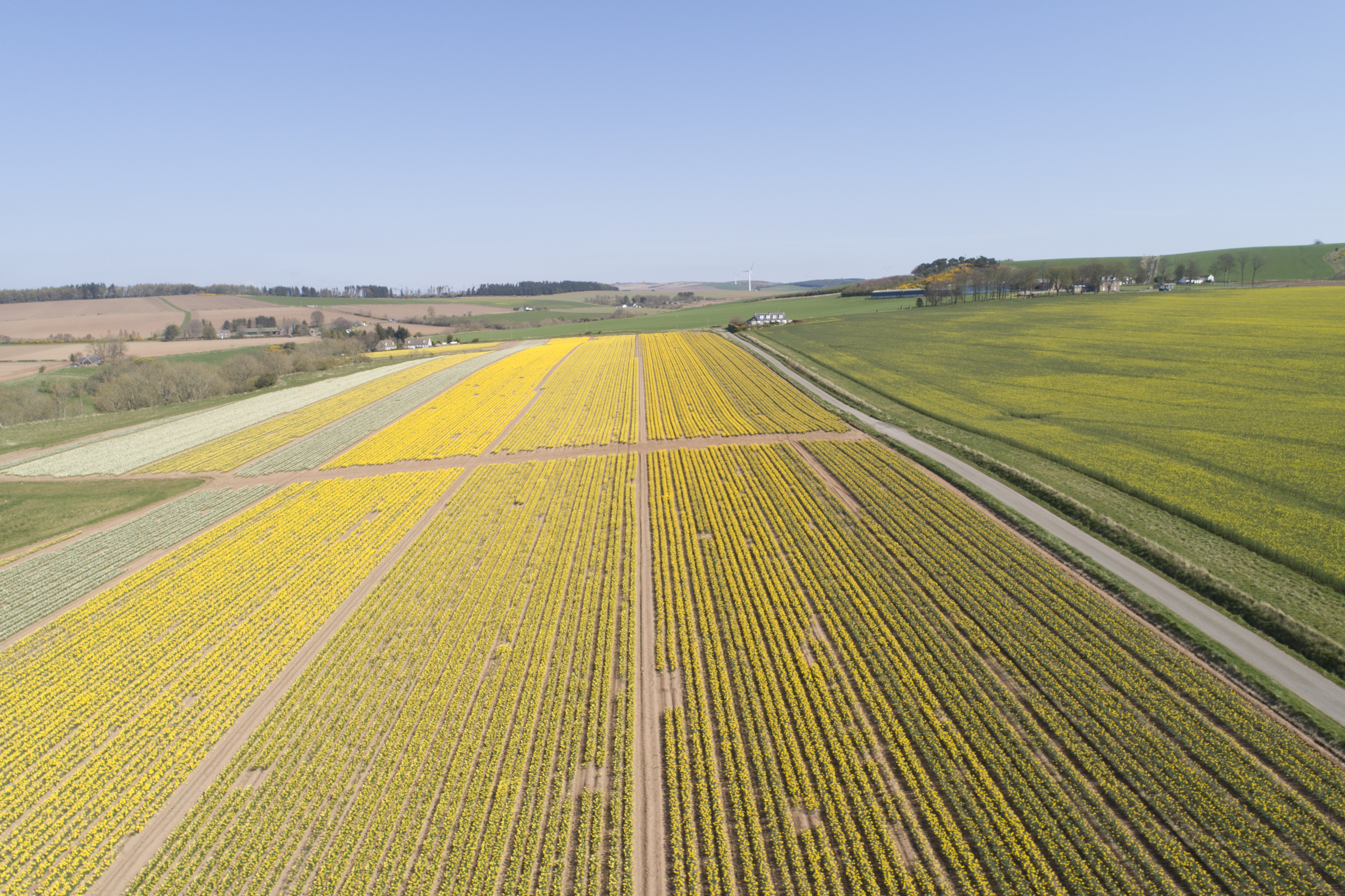
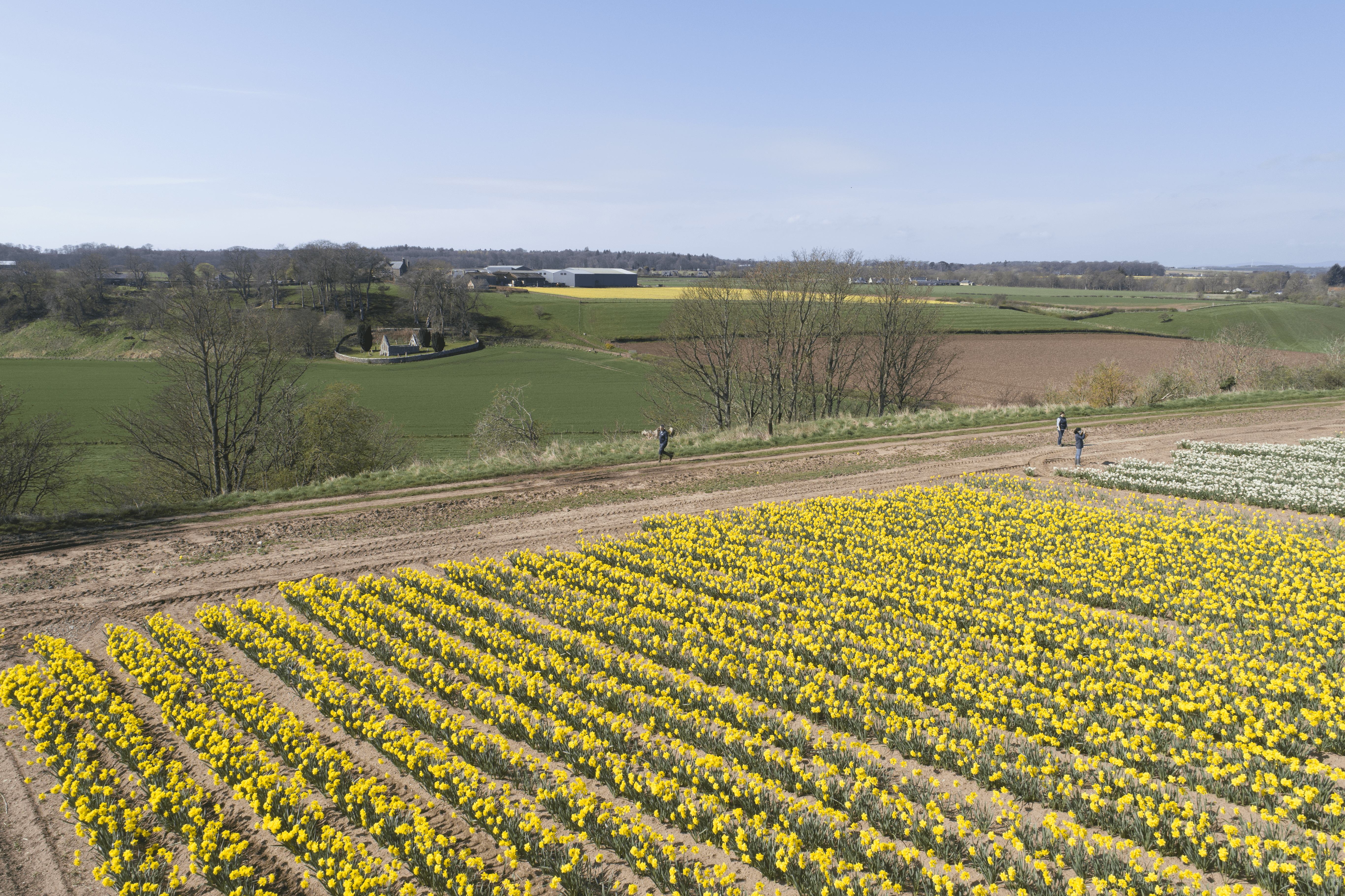
The Dancing with Daffodils project aims to develop and establish a UK-based supply chain for a naturally sourced methane-reducing feed additive using a specific alkaloid extracted from daffodils.
The multi-disciplinary team will develop an additive from daffodil extract to form a product that will be safe for ruminant animals to consume.
Preliminary data estimates that a specific alkaloid, haemantamine, in daffodils can reduce methane emissions and improve the efficiency of feed protein utilisation by 50%.
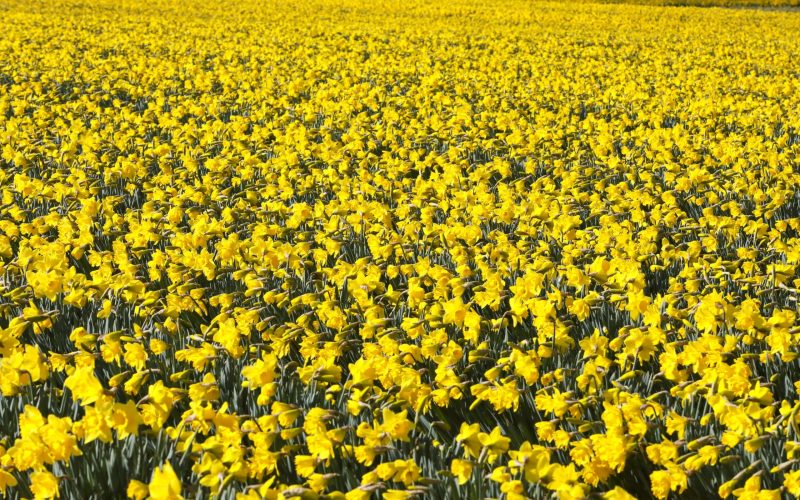
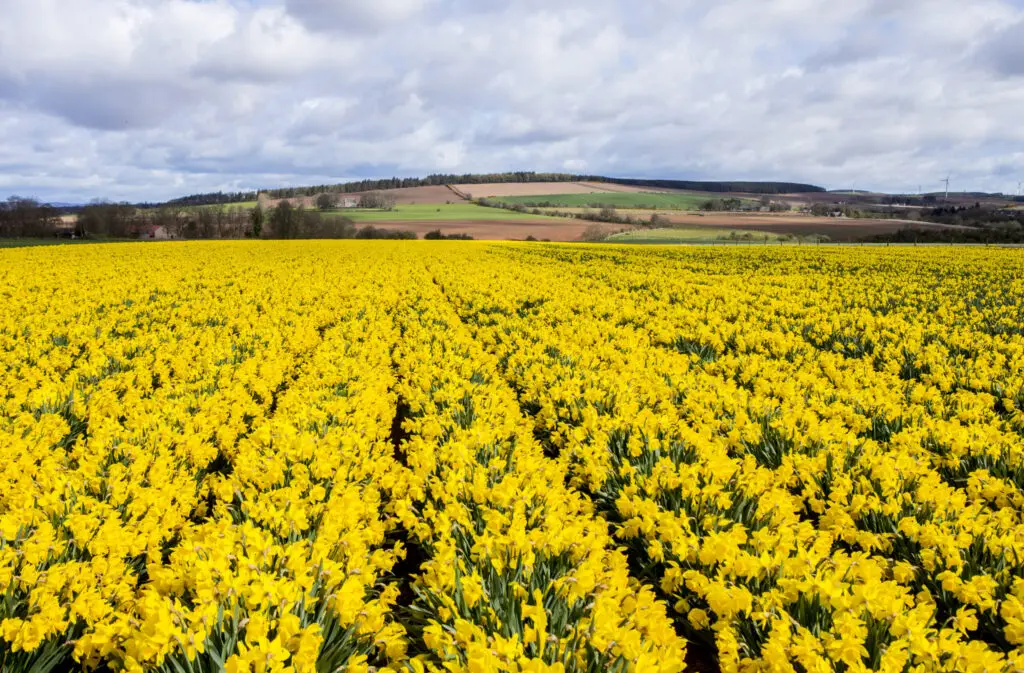
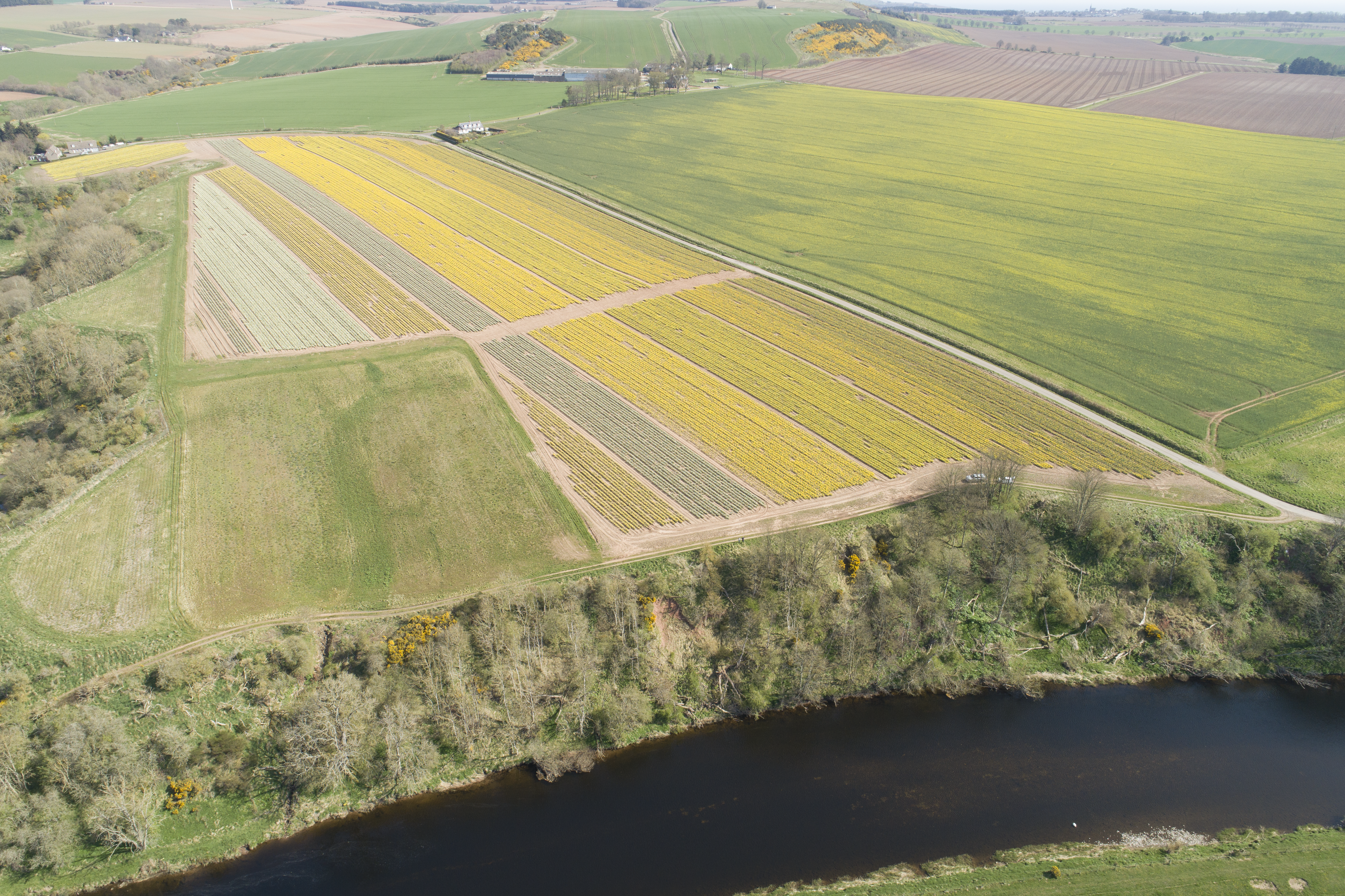
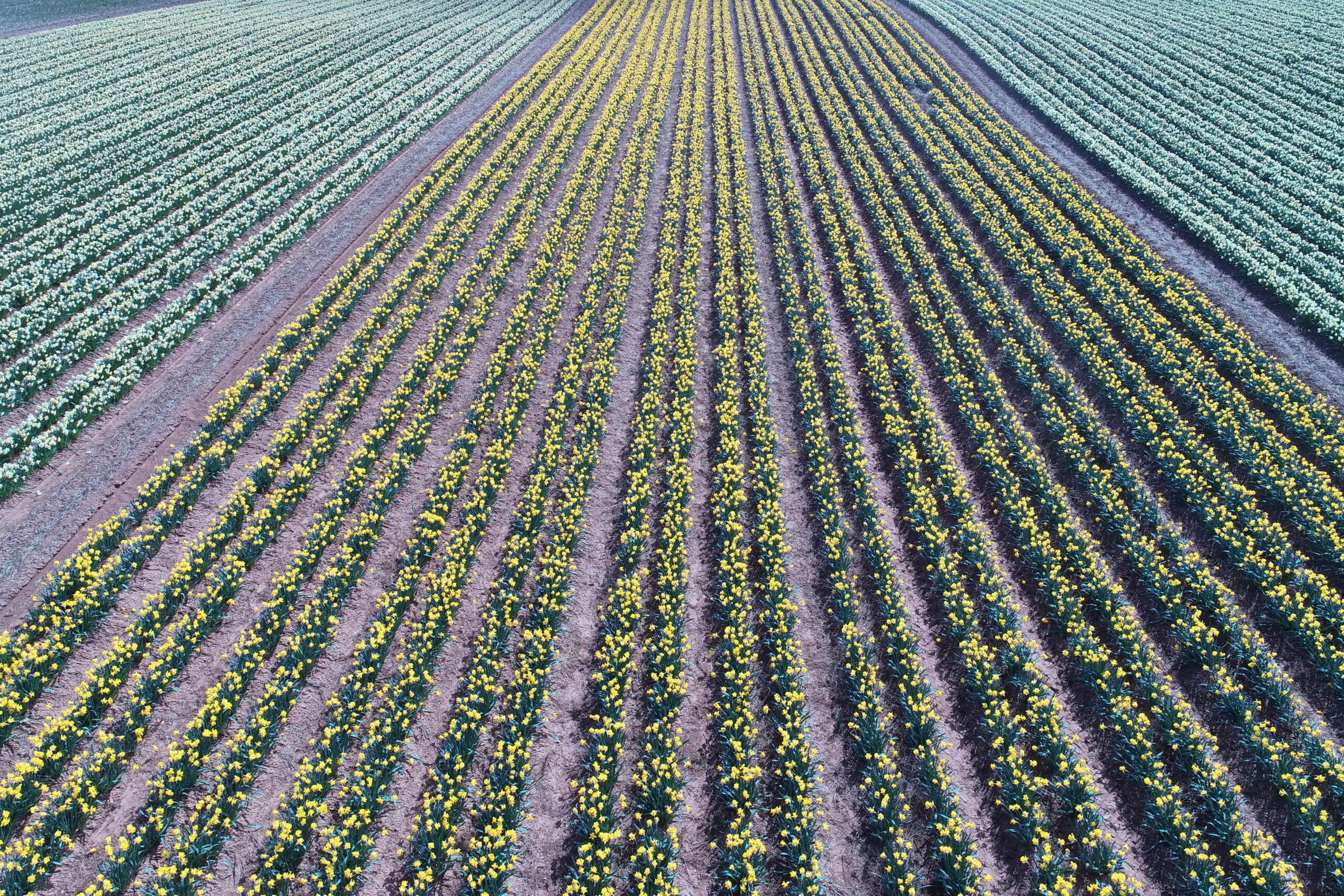
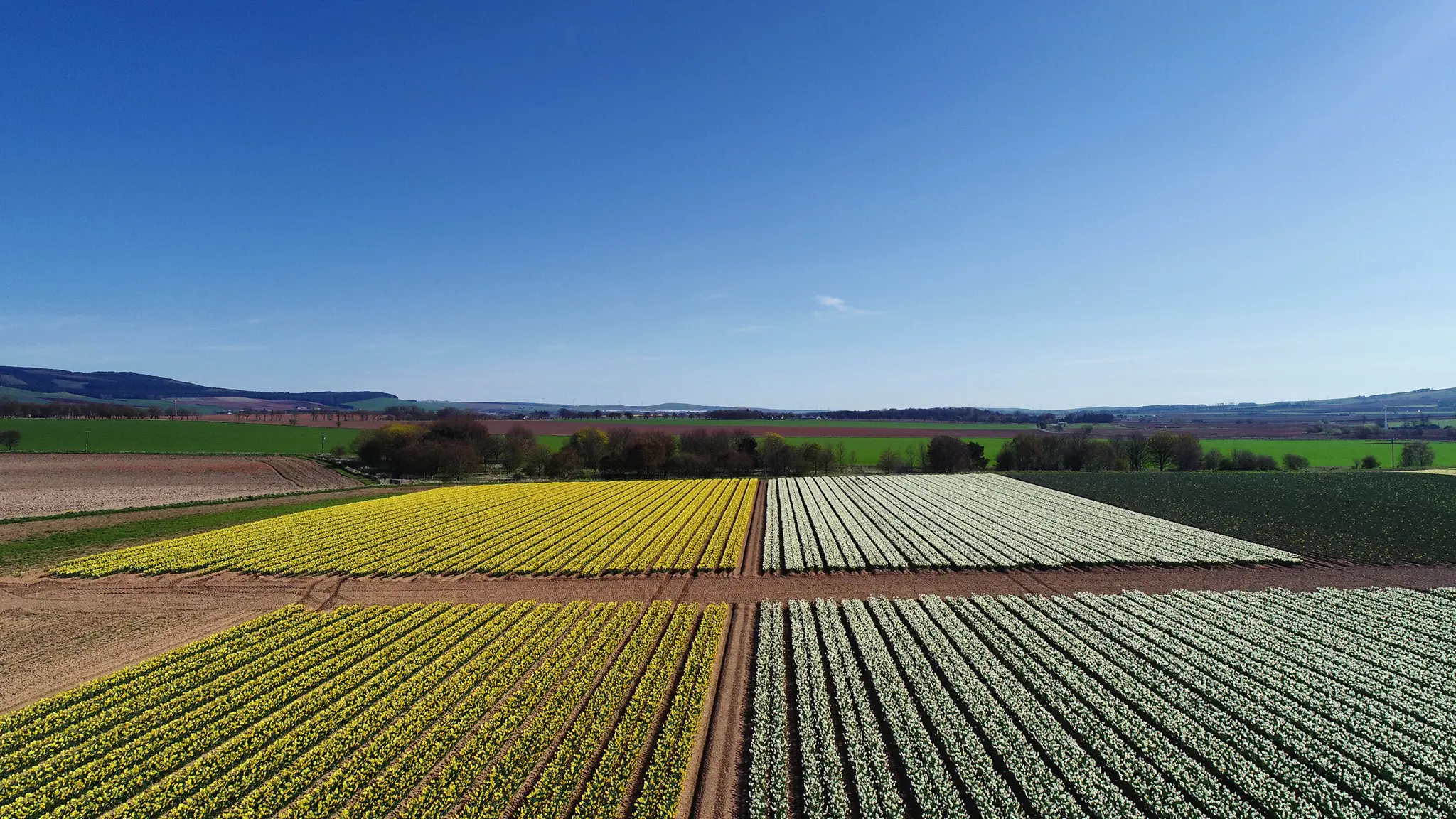
In order to support the roll out of this feed additive, the consortium is spearheading the cultivation of daffodils as a new cash crop, aimed at supporting farm diversification and enhancing agricultural sustainability. Daffodils, with their low-input requirements and environmental adaptability, offer a compelling opportunity for farmers to explore alternative revenue streams while contributing to biodiversity and ecosystem resilience.
By encouraging the adoption of daffodil cultivation alongside traditional farming practices, the consortium aims to empower farmers with diverse income sources, strengthen the resilience of the agricultural sector and create a more sustainable and economically vibrant rural landscape.
Currently, we are working through the early stages of the study.
There is a lot of investigative work to complete before further diversification opportunities can be implemented at farm level or the additive is available commercially.
Project partners
The project will benefit UK agriculture and society by:
Reducing the carbon footprint of the ruminant livestock sector with a novel technology.
Enhancing productivity and reduce the need to feed high-cost imported feed materials.
Establishing a UK-based supply chain to support the diversification of UK agriculture and provide a higher incomes for farmers.
Improving food security in the UK and provide rural job opportunities.