EPIHERD

Cows

What is the EPIHERD project?

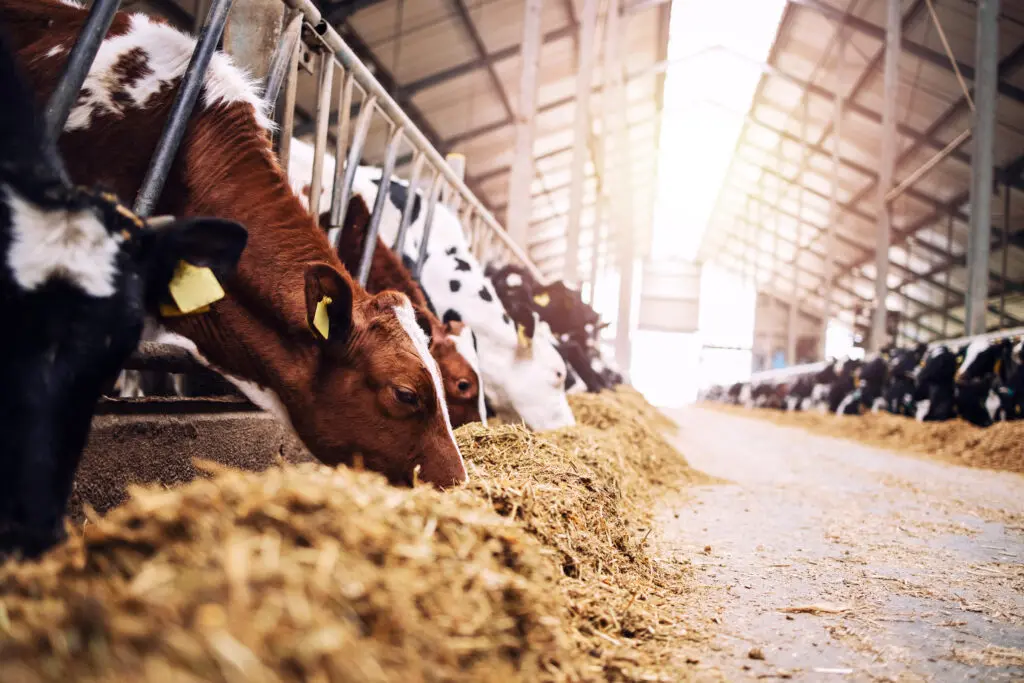
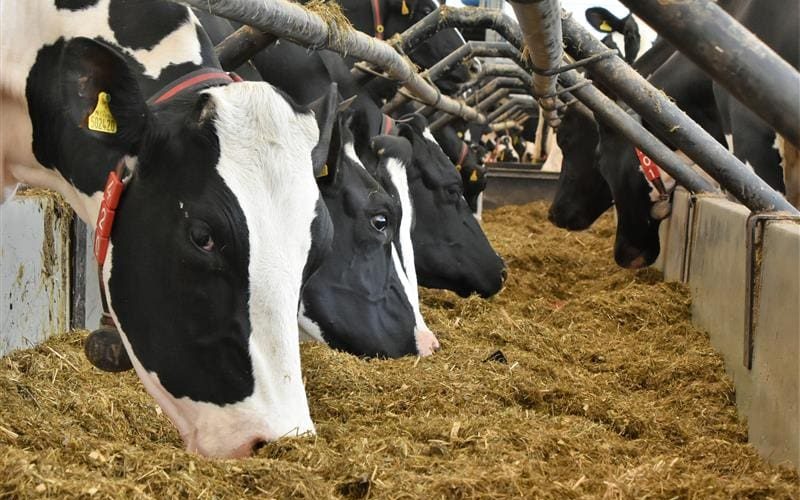
The EPIHERD project, in collaboration with University of Nottingham & UK Agri-Tech Centre, aims to improve the nutritional qualities and nationwide health benefits of cow’s milk.​ Boosting health benefits at population-level, by improving nutrient-levels at source versus fortification, omega-3 supplements etc.​ Using the Epigenomics-driven platform, EPIHERD, novel data-driven insights will be provided to help dairy farmers optimise the nutritional quality of the milk they produce.

Project Overview

  • Provide dairy farmers with novel, actionable, epigenomic data which enables them to maximise their milk quality (protein, fat, fatty acid profile) and yield.
  • Improve the nutritional content of milk-based foods, one of the UK’s most commonly consumed products
  • Minimise food loss/waste: helps farmers improve milk consistency and meet quality standards.
  • Improve sustainability: improved productivity reduces GHG emissions.
  • Provide a new approach to nutrition: A ground-breaking epigenomics approach can unlock new insights into how the nutritional content of milk and wider foods, can be enhanced.
Project partners

You may also be interested in

News & Insights
Flyer Drone Image (1)

How robotics and autonomous systems are transforming UK agriculture

Innovation in agriculture is being driven by robotics and automation, making farming more productive, sustainable and resilient. Yet, as these systems move from research to...

Project
MTC_RoboCrop_BardsleyEngland_Aug2021_0260

Accelerating Agri-Robotics Innovation in the UK (ARRNET)

What is the ARRNET project? This project aims to bring clarity to the UK’s fragmented regulatory environment for agri-robotics, boosting confidence and accelerating innovation, scaling...

Project
VineMAP_WCO_Hex copy

Smarter Forecasting, Communication and Management of Frost Risk in Vineyards (FROST)

What is the FROST project? Spring frost is a significant threat to UK vineyards from mid-March to May, when freezing temperatures can damage cells in...