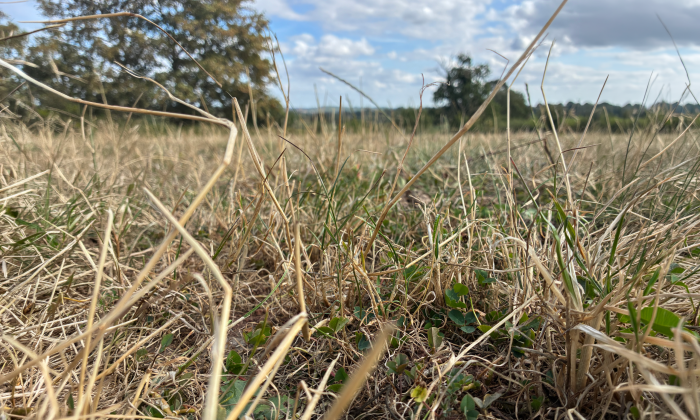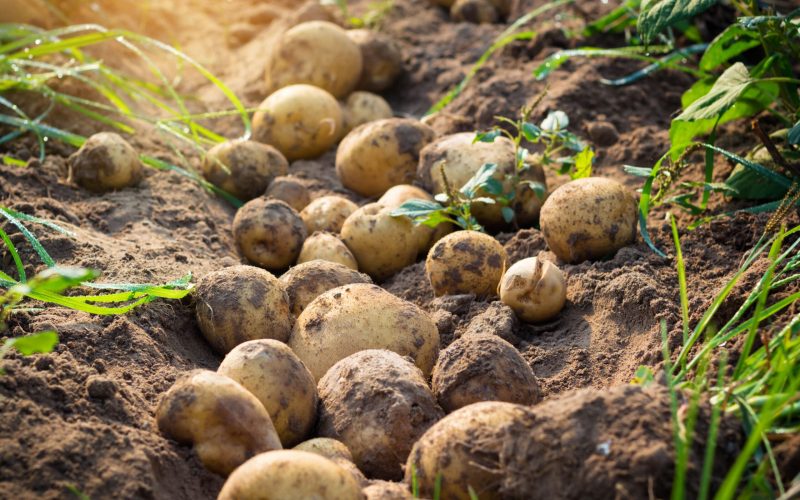

While drought is at the forefront of all our minds, a wider picture of uncertainty and change is building across UK food production. Potatoes are no exception.
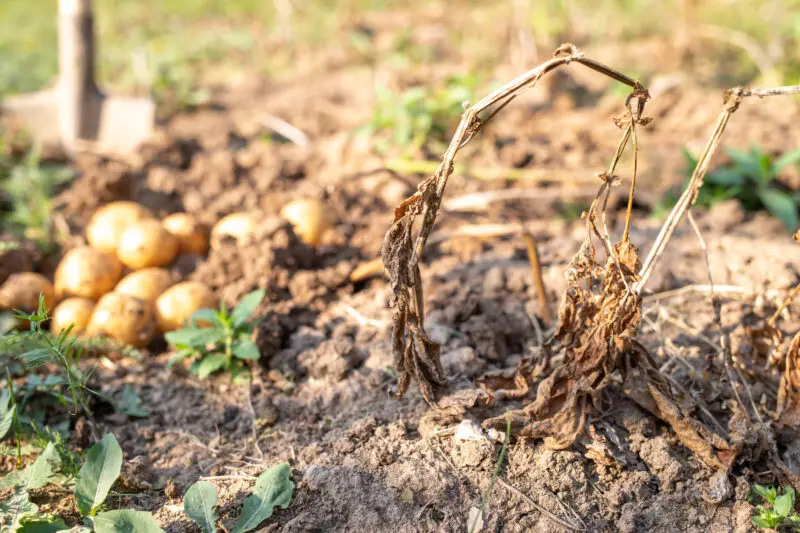
A consumer favourite, the potato is also enjoying something of a re-evaluation, with whole potatoes increasingly recognised as a nutritious, nutrient-dense food.
But continuing to produce high-quality, sustainable and affordable UK potatoes means confronting significant challenges.
Water availability, pests and viruses, changing crop protection options, soil health, rising inputs, storage and market requirements all create pressures for growers and opportunities for agri-tech businesses to develop practical solutions.
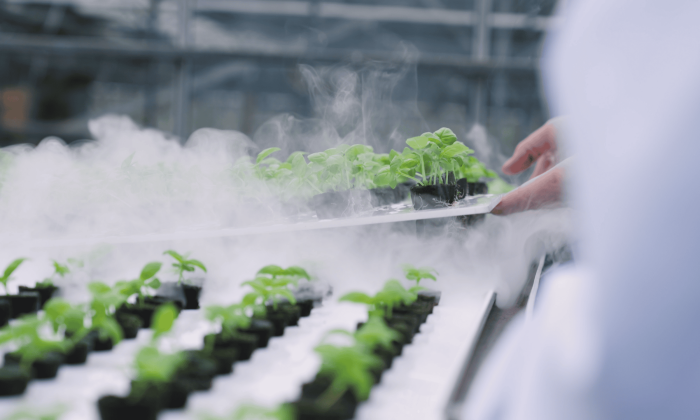
Innovation can play a role at every stage of a potato’s journey, from breeding and planting through crop management and irrigation to harvesting and storage. The UK Agri-Tech Centre works across this cycle, connecting industry challenges with businesses developing technologies and approaches that could help solve them.
Innovation that delivers on farm
There will be no single technology that makes potatoes ‘fit for the future’. What matters is helping growers manage risk, use resources efficiently and make better decisions.
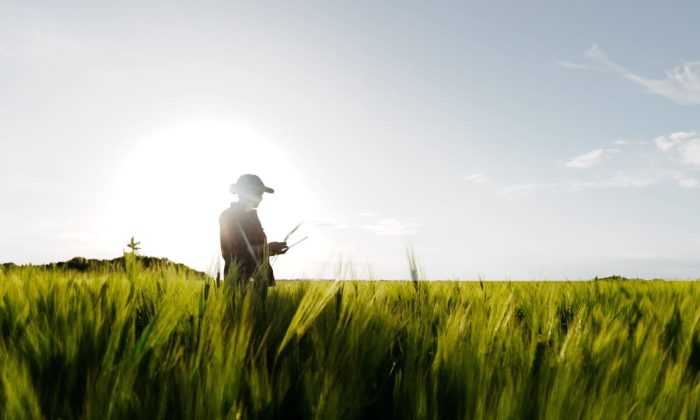
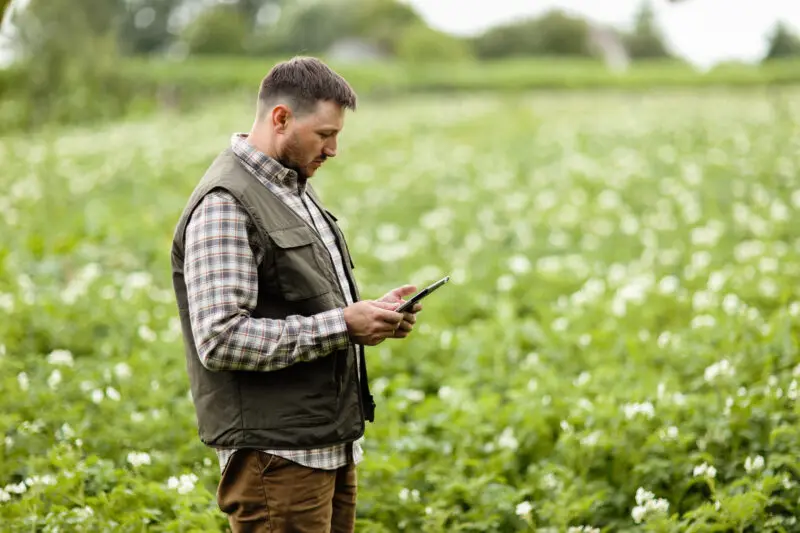
That could start with breeding varieties better suited to future conditions. In the field, sensors, drones and Earth observation can provide better information about crops and soils, helping growers identify disease, target inputs and apply increasingly precious water where it can have greatest impact.
After harvest, monitoring and sensing technologies can help identify storage problems earlier, reducing losses, maintaining quality and protecting crop value.
For growers, innovation needs to deliver practical and economic benefits. For agri-tech businesses, the challenge is proving that solutions work in commercial production. The UK Agri-Tech Centre can help develop, test and demonstrate those technologies alongside industry, supporting their route towards adoption.
Protecting the soil
Innovation is not only about new technology. It can also mean finding better ways to grow the crop.
Potatoes are commonly grown around one year in six to help manage soil-borne pests and diseases. Specialist growers therefore often work with other farmers and landowners, making long-term soil health critical.
Potato-LITE is exploring more sustainable cultivation approaches that reduce tillage intensity while maintaining productivity and crop quality, with potential benefits for soil health, the environment and the wider rotation.
Preparing for what comes next
Drought is a pressing challenge today. Tomorrow it could be a new pest or disease, changing regulation, extreme weather or new market requirements.
We cannot predict every pressure UK potato production will face. But innovation throughout the potato’s journey can give growers more options and greater resilience.
By working with growers, technology businesses, researchers and the supply chain together, the UK Agri-Tech Centre can help turn promising ideas into practical solutions, ensuring this nutritious and much-loved crop has a productive and sustainable future.
Get in touch to connect with growers, researchers and businesses tackling potato production challenges.