Mobile Sheep Feed Intake Assessment
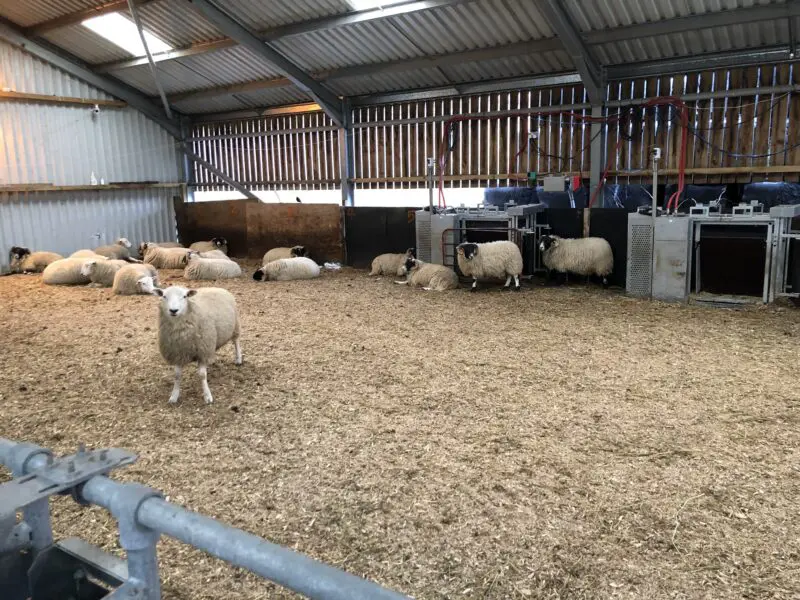
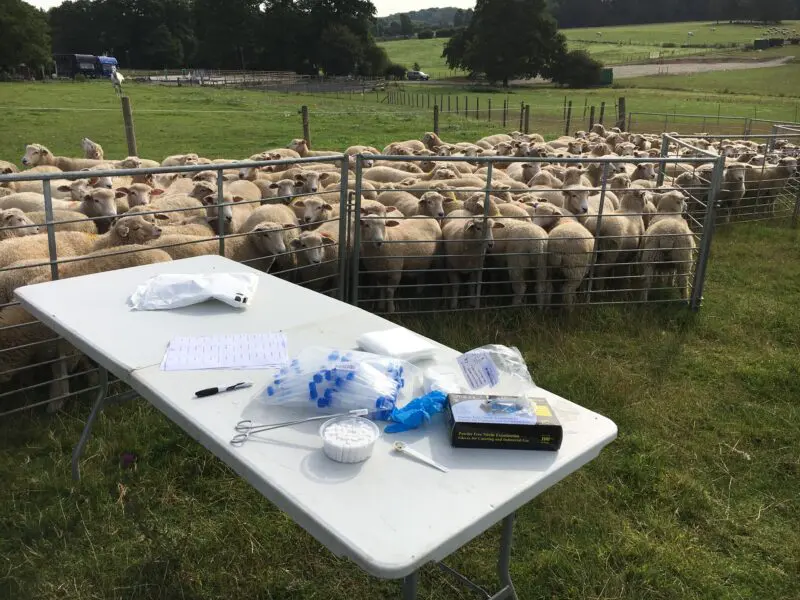
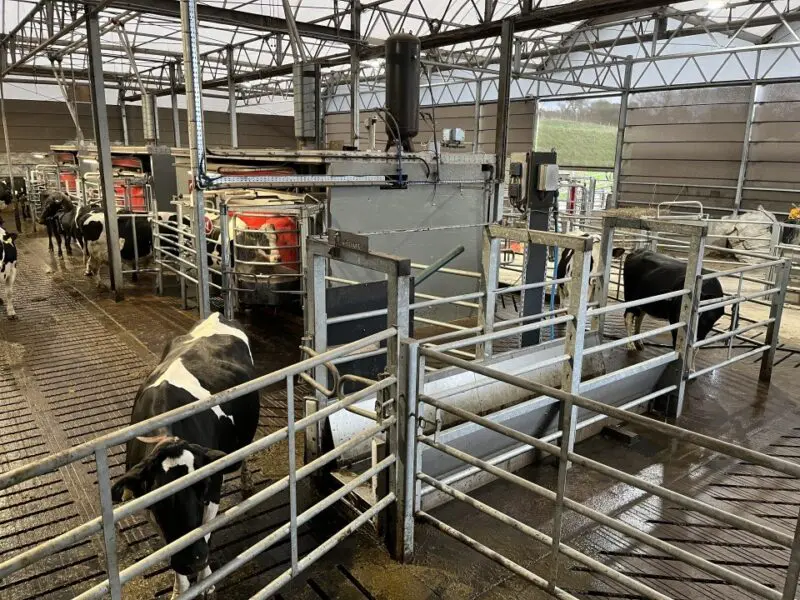
The Mobile sheep feed intake assessment works with RFID ear tags to record individual animal intakes of forage, concentrates and water in an open pen.

The Mobile sheep feed intake assessment works with RFID ear tags to record individual animal intakes of forage, concentrates and water in an open pen.

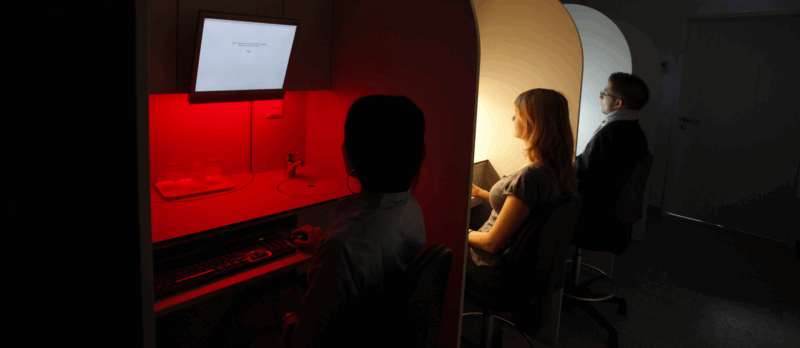
The Mobile Sensory Laboratory facility brings the latest imaging and meat quality testing technologies direct to where it’s needed

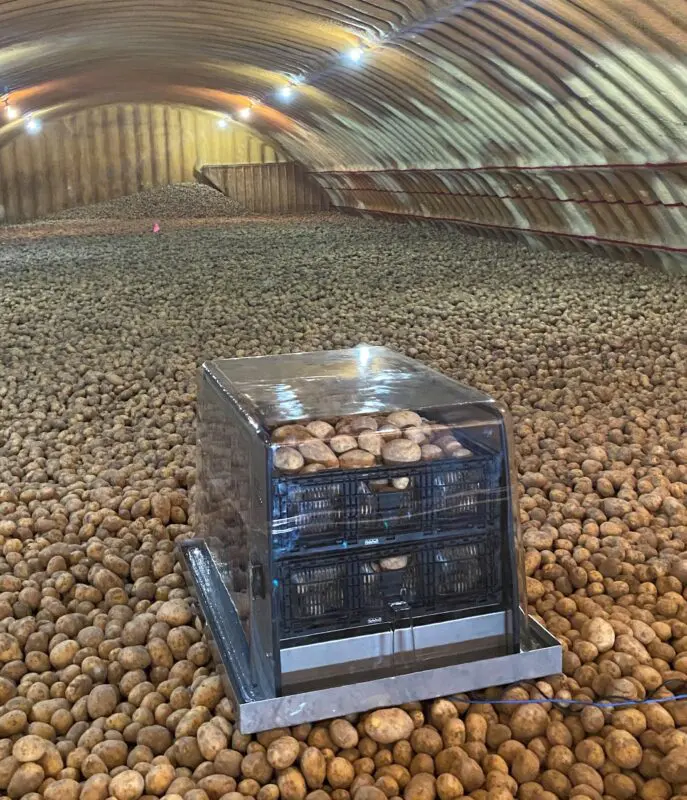
These facilities offer the capability to simulate supply chain environments with accurate control and monitoring of storage conditions; temperature, humidity and atmospheric composition.

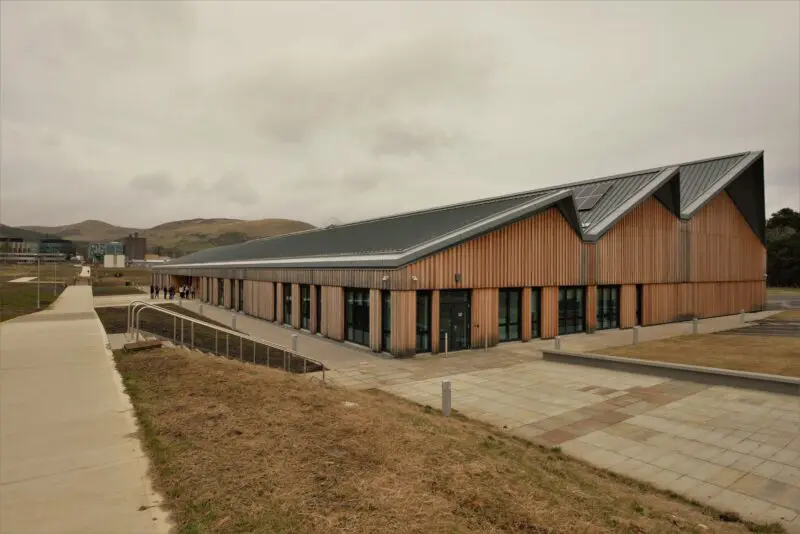
What is the Large Animal Research & Imaging Facility (LARIF)? Research within the Large Animal Research Imaging Facility, or LARIF, recognises the link between human, animal and environmental health. It offers exceptional specialist facilities for in-depth studies of all major farmed livestock, including: containment areas for work involving infectious pathogens; facilities for advanced gene technologies; environmentally controlled units suitable for behaviour and welfare studies; imaging, surgical and critical care facilities for large animal models of disease; and development of medical technology that will benefit both humans and animals. Key research expertise The LARIF allows users to benefit from a wide range of expertise in farm animal production, health and welfare including: Infectious diseases and zoonoses Vaccines Genetics and genome editing Imaging Radiology Medicine Surgery and critical care Impact Supporting research in animal health and veterinary therapies. Together with enabling advances in immunology and host defence, neuroscience and developmental biology across multiple livestock species. A Culture of Care is central to the function of the LARIF and animal welfare is of utmost priority. All work is undertaken in line with UK Home Office Guidelines and licencing requirements, and is overseen by a team of dedicated Named Veterinary Surgeons who are independent from the work carried out within the facility. Behaviour and welfare studies are supported by environmentally-controlled units with CCTV and can take advantage of the imaging and surgical facilities as required. In collaboration with: This capability is based at (Edinburgh University) Roslin Institute’s Penicuik site. The Roslin Institute is part of the Royal (Dick) School of Veterinary Studies, the University of Edinburgh. The Institute undertakes research on the health and welfare of animals and seeks to apply findings in basic animal sciences to human and veterinary medicine, the livestock industry and food security. Projects Case studies

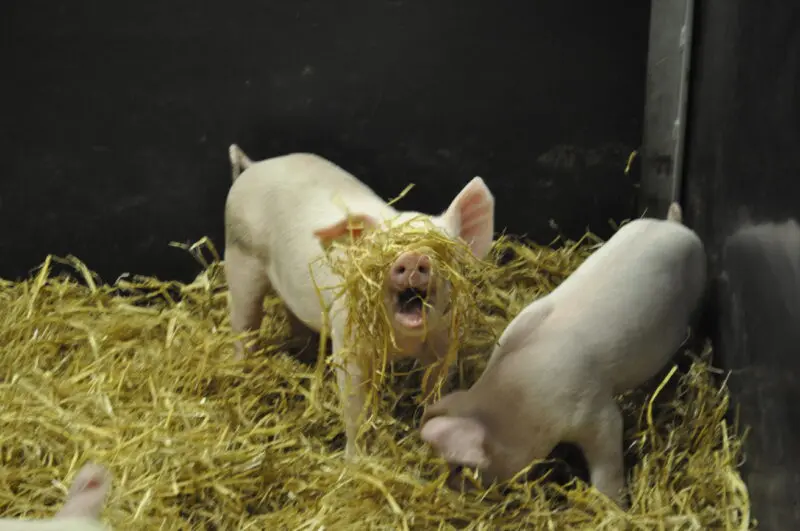
The high health, high welfare Easter Howgate pig unit offers commercial buildings that can host experiments as well as dedicated research facilities offering greater flexibility and control in terms of feeding, housing, group sizes, temperature, ventilation and flooring.

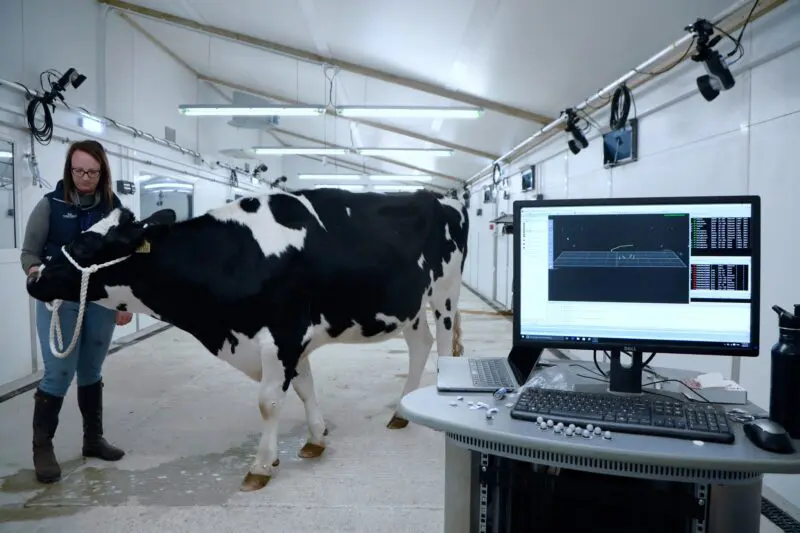
The Centre for Digital Innovation Applied to Livestock (C-DIAL) capability enables the automated measurement of animal performance and detection of certain animal behaviours that are early signs of health or welfare compromise.

The main Future Farm dairy unit provides accommodation for 400 cows. Cows are milked in a 40-point GEA internal rotary parlour with computerised cow identification that records data such as milk yields and monitors cow activity for oestrus detection.

EGENES is a leading centre for the development and delivery of genetic improvement tools for the livestock industry.

The National Pig Centre is unique in the UK, housing both indoor and outdoor research pig herds on a commercial scale.

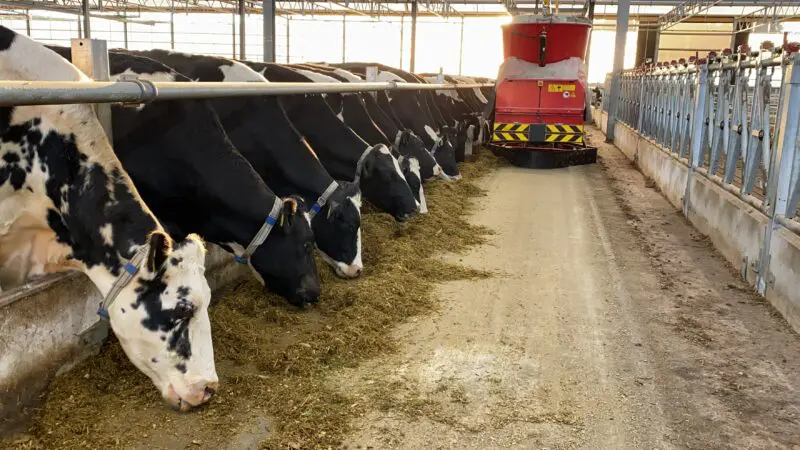
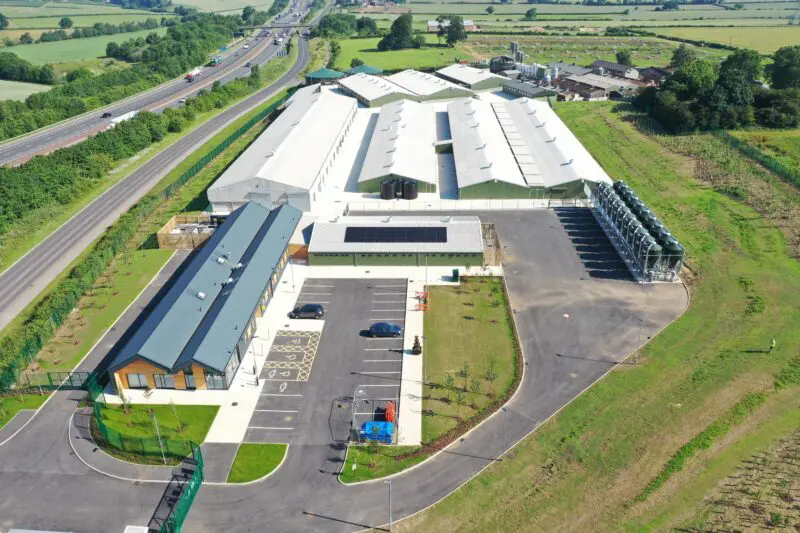
What is the Centre for Dairy Science Innovation (CDSI)? The Centre for Dairy Science Innovation (CDSI) is a state-of-the-art extension to the University of Nottingham’s longstanding dairy facilities. It brings together existing expertise in dairy science, dairy herd health & welfare and dairy food science, and positions the University at the forefront of research into the health, nutrition and welfare of dairy cows. The CDSI houses a 340-strong dairy herd and enables studies with up to 100 individually fed, high-yielding dairy cows and heifers to test the effect of a range of diets on milk production and composition, feed intake and live-weight change. A dedicated Youngstock Facility (calf and heifer) additionally enables the research team to track animals throughout their lives, using precision systems for monitoring performance, welfare, health, nutrition and behaviour. A wide range of sensing and monitoring systems are in place across the CDSI to automate detailed data collection and process this data to generate meaningful information. Key research expertise The facility brings together researchers from the University’s Schools of Biosciences and Veterinary Medicine and Science alongside industry. The CDSI offers the latest research technologies for studying a range of dairy-related topics including mastitis control, antimicrobial resistance, feed efficiency, environmental emissions and ‘wearable’ technologies for the herd. Wider issues studied range from reproduction to rumen function, feeding behaviour and digestibility, to emerging technologies to prevent disease and improve cow welfare and greenhouse gas emissions. Cutting-edge laboratory facilities expand the Dairy Herd Health Group’s capacity to study mastitis and investigate novel therapies and vaccines derived from new genomic technologies. The CDSI offers the latest research technologies for studying a range of dairy-related topics, including: Antimicrobial resistance Environmental emissions Feed efficiency Lameness Mastitis control New wearable technologies for the herd Principle features Nutritional research unit Flexible housing unit Category 2 containment unit Youngstock unit (calf and heifer) In collaboration with: This Capability is based at the University of Nottingham’s Sutton Bonington Campus. The formation of CDSI sees a substantial investment in the dairy facilities at the University of Nottingham’s Sutton Bonington Campus, considerably expanding and redeveloping the existing research unit, creating internationally leading dairy science research facilities. The CDSI brings together existing expertise in Dairy Science, Dairy Herd Health and Welfare and Dairy Food Science. Projects