Agri-Tech Opportunities
Read on to find out about current funding opportunities to get support and help accelerate your business’ agri-tech aspirations

Read on to find out about current funding opportunities to get support and help accelerate your business’ agri-tech aspirations

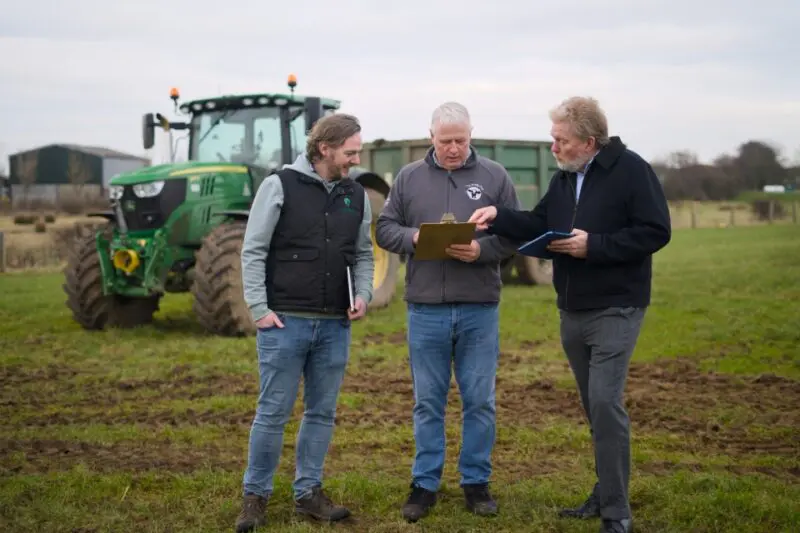
This farmer-led initiative is exploring how real-time soil monitoring can help growers make more informed nutrient management decisions.
Agri-tech isn’t short on data, but turning that data into something farmers can effectively use is where the real challenge lies. Messium’s journey shows how that shift happens.
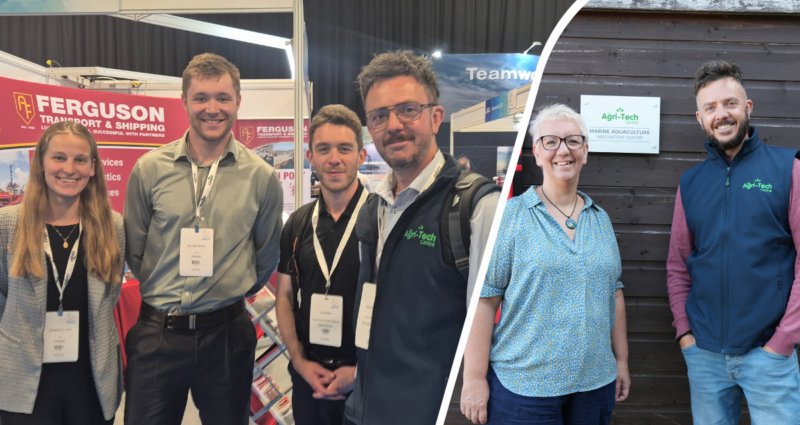
Walking the exhibition halls at Aquaculture UK this year, one thing became immediately clear: aquaculture is entering a new phase of technological maturity. The move from Aviemore to Glasgow’s SEC was symbolic in many ways. While Aviemore has long been at the heart of the event’s identity, the larger venue reflected an industry that is growing in confidence, attracting new investment and increasingly looking to technology to solve some of its biggest challenges.
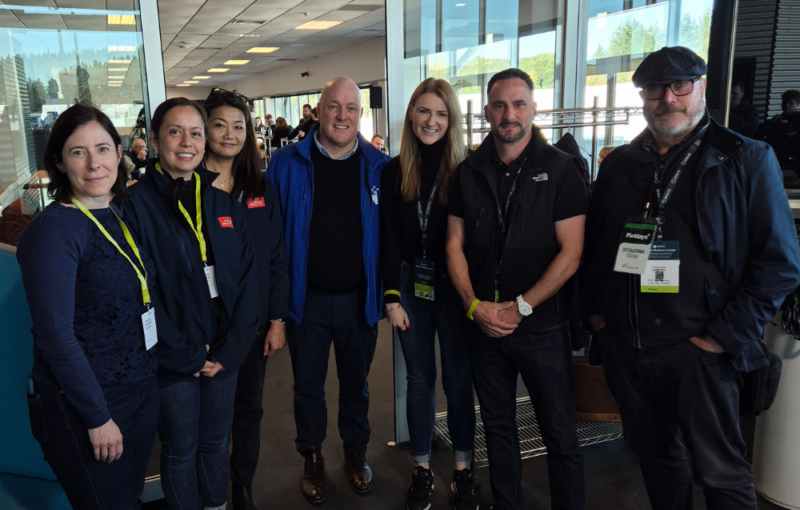
The UK Agri-Tech Centre has today announced the selection of two UK agri-tech businesses, Breedr and Biotangents, to take part in the 2026 Global Growth Accelerator (GGA) Australasia programme. This initiative will support both companies to validate their technologies on farms in New Zealand while building pathways to international growth.
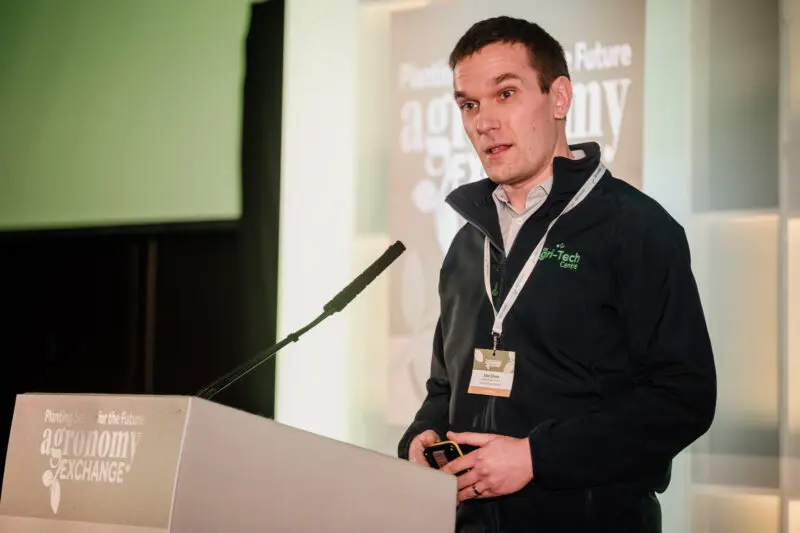
The UK Agri-Tech Centre took part in the first-ever Agronomy Exchange conference on 11 February in London, where a mix of agronomists, industry experts and researchers came together to talk about the future of UK crop production and how technology can help shape it. It’s the first event of its kind and covered topics such as how AI-driven decision tools can impact the industry positively, as well as the way in which digital innovation is shaping resilience in arable farming. Data-driven agronomy takes centre stage Eliot Dixon is the Head of Robotics and AI at the UK Agri-Tech Centre and hosted the workshop on Data Driven Agronomy & Future Skills. This session explored how data, robotics and digital tools are transforming modern agronomy. It considers how agronomists can use emerging technologies to improve decision-making, support farm businesses and develop the skills needed to remain relevant in an increasingly data-driven agricultural sector. Eliot said: “The conference was an ideal mix of agri-tech ventures, academics and most importantly, farmers and their advisors. We took this unique opportunity to get some feedback from the audience on their use of data and AI in agronomy and the blockers they are facing. This was fascinating and will influence our long-term support to the industry.” Perspectives from UK Agri-Tech Centre experts Also in attendance at the event was the UK Agri-Tech Centre’s Farm Technician, Rahul Khatravath, who took advantage of the networking opportunities at the event. He said: “I personally found the conference very interesting and insightful. It was a great opportunity to see agronomists, progressive farmers, researchers and industry experts come together and share what is happening on the ground in terms of research and practice. I particularly valued gaining a better understanding of the production side of the sector, including plant breeding, fertiliser use efficiency, weed management and broader aspects of plant growth and crop performance. As we mainly work with technology, it was fascinating to explore the deeper scientific aspects such as precision breeding, nitrogen use efficiency and carbon sequestration. Speaking directly with farmers also helped me understand their practical challenges and pain points, especially around nutrient management and sustainability.” Richard Round, Innovation Associate for Agricultural Sustainability at the UK Agri-Tech Centre, attended the event and found it extremely beneficial to talk to the people on the ground. He said: “It was a pleasure to attend the Agronomy Exchange event. The day was filled with engaging talks from farmers, researchers and industry leaders who explored technologies shaping the future of UK crop production, including soil science, precision breeding, engineered biology and the growing role of data and AI-driven approaches. Between the highly informative sessions, I was also fortunate to speak with several attendees, including farmers, agronomists and agri-tech organisations. It is always encouraging to attend events like this that tackle the challenges facing the agricultural sector by exploring innovative ideas to support a healthy, sustainable and profitable farming system for the years ahead.” Rahul added: “I also felt that events like this provide valuable learning opportunities for us as an organisation. It helps us better understand farmers’ needs, the challenges they face and how we can support them by co-creating practical solutions together. The conference provided a strong platform to engage with farmers, agronomists, plant breeders and industry partners, and I believe it would be beneficial for us to stay involved in such initiatives. Overall, it was a very valuable learning experience and I really enjoyed attending.” Get in touch – to find out more about the work we do, contact us at [email protected].
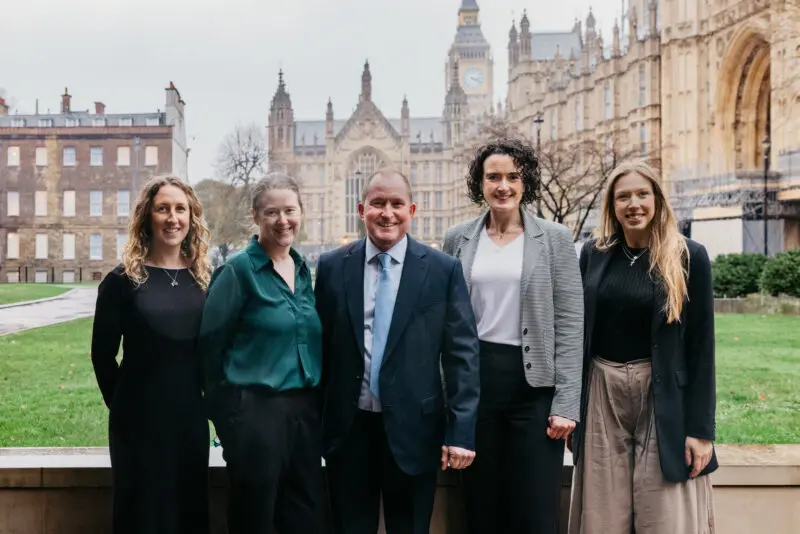
Under new leadership, the UK Agri-Tech Centre has revealed new access to fast-track support for UK agri-tech start-ups and scale-ups as it sets out its focus to accelerate their commercial achievement. During a House of Lords event held on 3 February 2026, newly appointed CEO Steve McLean, previously serving as Marks & Spencer’s Head of Agriculture & Fisheries Sourcing, presented his vision for cultivating a dynamic UK agri-tech industry that strengthens agricultural sustainability and resilience. This shift will provide crucial de-risking for investors by guaranteeing that emerging technologies meet market demands, deliver practical solutions and demonstrate commercial viability. This will be delivered through the UK Agri-Tech Centre’s access to resources enabling ventures to test, validate and demonstrate their innovations, proof-of-concept and investment returns within authentic commercial and agricultural settings. Through facilitating robust industry connections and supply chain relationships aimed at large-scale adoption, the UK Agri-Tech Centre helps bring the best of UK agri-tech innovation to commercial deployment. Steve McLean, CEO, the UK Agri-Tech Centre, comments: “As we enter a new technological era driven by data, automation, robotics and AI, the agri-tech sector is poised for growth. The recognition of agri-tech as a Frontier Sector in the Government’s 10-year Modern Industrial Strategy elevates its importance across the economy and sets our context and our purpose. Our goal is clear: to make the UK one of the world’s most successful environments for agri‑tech innovation, attracting and growing the most capable, impactful ventures. We will support the agri-tech sector in achieving its full potential by accelerating the commercialisation and scale-up of UK agri-tech ventures, by enabling access to advice, connection and capabilities. Our role in supporting agri-tech ventures on their growth path will support them in achieving commercial success with viable businesses. Combining my commercial background from one of the UK’s largest retailers with experience from across the entire agri-value chain consolidates our strategic position in supporting ventures in this high-potential sector.” Having already supported over 300 agri-tech businesses throughout the UK, the UK Agri-Tech Centre has developed a comprehensive strategy to deliver business support, test, trial and demonstration capabilities and broader sector support addressing innovation barriers, investment hurdles and international expansion. Priority areas align with the Government’s 10-year Modern Industrial Strategy, encompassing robotics and automation, advanced sensors, data and AI, controlled environment agriculture and engineering biology. The House of Lords reception represented a centrepiece of the UK Agri-Tech Centre’s Growth Week, as part of their ‘Grow Your Own Way‘ campaign, created to help agri-tech businesses tackle barriers to growth while highlighting venture success stories. February launches include exciting new opportunities for agri-tech enterprises: An Agri-Tech Solution Sprint, offering personalised one-to-one guidance for navigating technical and commercial obstacles and a Global Growth Accelerator, aimed at helping UK ventures scale by validating their technology in international markets, starting with New Zealand. For more information get in touch at [email protected].
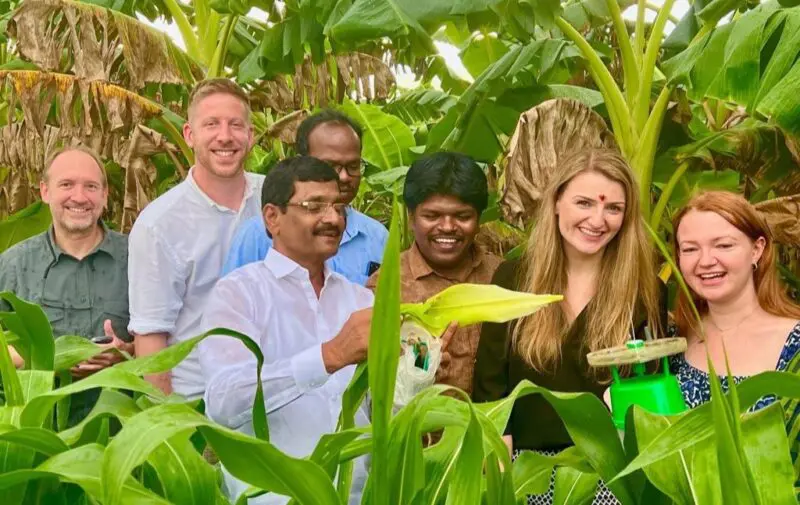
Find out about current international funding opportunities to get support and help accelerate agri-tech aspirations

A pioneering programme to help UK-based innovators scale the technologies needed to support sustainable farming in the UK opened for registrations today (6 January 2026). Developed by the UK Agri-Tech Centre and the Carbon Trust, alongside key industry stakeholders, the Food Agriculture System Technology Accelerator (FASTA) programme launched on 1 December to accelerate the adoption of Measurement, Reporting and Verification (MRV) systems. These MRV systems are vital for agricultural business to make credible sustainability claims and can unlock finance and drive measurable progress towards Net Zero. They provide the data and transparency needed to track emissions, validate impact and guide smarter decisions. This is essential when scaling climate-smart practices, carbon markets or building trust across the value chain. Innovators can register to participate in the FASTA programme from 6-23 January through our website, with bespoke expert support from key industry stakeholders and investor access to bring tested MRV solutions closer to market. If you are a UK innovator with technically viable solutions in one of, but not limited to, the following, we’d like to hear from you: Soil health monitoring Remote sensing and geospatial analytics Environmental emissions monitoring AI-powered decision support systems Carbon footprint and sustainability modelling tools Data aggregation and interoperability platforms Financial platforms Supply chain traceability and verification Matthew Willis, Senior Manager at the Carbon Trust, said: “FASTA combines industry experience and technical innovation, to deliver scalable, impactful solutions underpinned by robust MRV systems, addressing the challenges of modern farming. We aim to empower innovators and industry leaders to drive meaningful change within the sector.” Paddy Tarbuck, Head of Sustainability at the UK Agri-Tech Centre, said: “FASTA gives innovators the support to scale proven MRV solutions and embed them into real-world supply chains. By accelerating adoption, we’re helping technologies deliver impact at industry level, driving credible sustainability claims and measurable progress towards Net Zero.” Learn more about FASTA and register
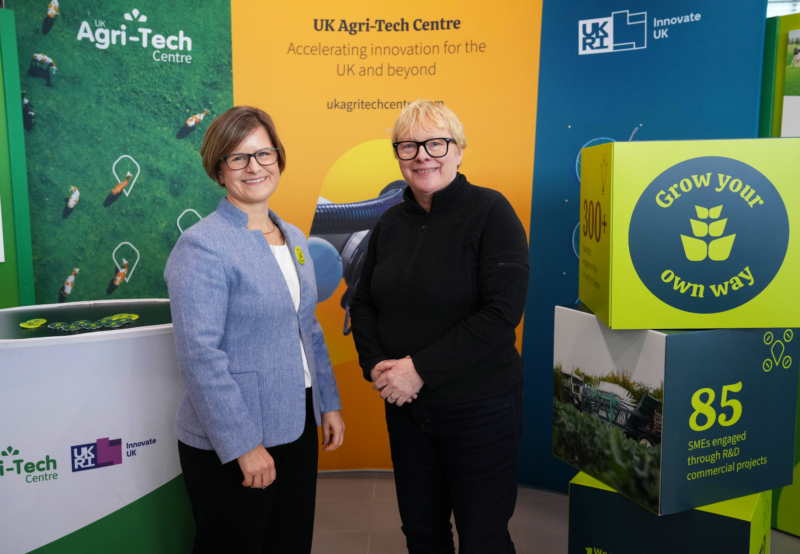
We were delighted to welcome Department for Environment and Rural Affairs (Defra) Minister, Dame Angela Eagle DBE MP, to the UK Agri-Tech Centre’s Midlands Agri-Tech Innovation Hub in early December, providing an opportunity to shine a light on the pivotal role the UK Agri-Tech Centre plays in helping agri-tech businesses grow faster and achieve greater success. During the visit, Minister Eagle saw first-hand how our facilities and expertise are enabling pioneering ventures such as MagrowTec and Upcycled Plant Protein (UPP) to test, trial and commercialise game-changing technologies. From precision spraying systems to sustainable protein innovation, these businesses embody the creativity and ambition driving the UK’s agri-tech sector forward. Our work with Defra continues to strengthen as the Department establishes a new programme to support the UK Government’s Modern Industrial Strategy, recognising agri-tech as a vital engine of national productivity, resilience and long-term food security. The visit also coincided with the launch of our new national campaign, “Grow Your Own Way: We mean business when it comes to agri-tech”. This campaign celebrates the innovators transforming agriculture through automation and robotics, data and sensors, controlled environment agriculture (CEA) and engineering biology, turning scientific advances into real-world commercial impact. Minister Eagle’s tour formed part of a wider visit to the Harper Adams University campus, home to our Midlands Innovation Hub. It demonstrated how the UK Agri-Tech Centre operates at the heart of a vibrant innovation ecosystem, connecting partners, expertise and infrastructure to accelerate progress for the sector. Hannah Senior, Interim CEO of the UK Agri-Tech Centre, said: “We were delighted to welcome Minister Eagle and introduce her to some of the innovative ventures we support. These businesses are transforming agricultural systems and driving economic growth. The technologies they are bringing to market will improve profitability, resilience and sustainability for agriculture, horticulture and aquaculture in the UK and globally. Our dedicated facilities help businesses accelerate their journey to market. It has been brilliant to support UPP and MagrowTec as they scale. UPP, for example, has benefited from our facilities and farm network for in-field testing, and recently secured £3 million to drive its commercial growth.” If you have any questions, please get in touch at [email protected]