
Phil Bicknell, CEO, the UK Agri-Tech Centre:
The Genetic Technology (Precision Breeding) Act, which came into being in 2023, is a key piece of post-Brexit legislation that shows how the UK has been able to liberalise agri-tech rules. It supports gene-editing to match the kind of genetic changes that would have occurred over years through traditional breeding methods, effectively speeding things up.
Future challenges mean that we’re going to need more rapid and focused genetic improvement than traditional methods have provided for plants and animals. There have already been research advances with flu-resistant poultry due to gene-editing.
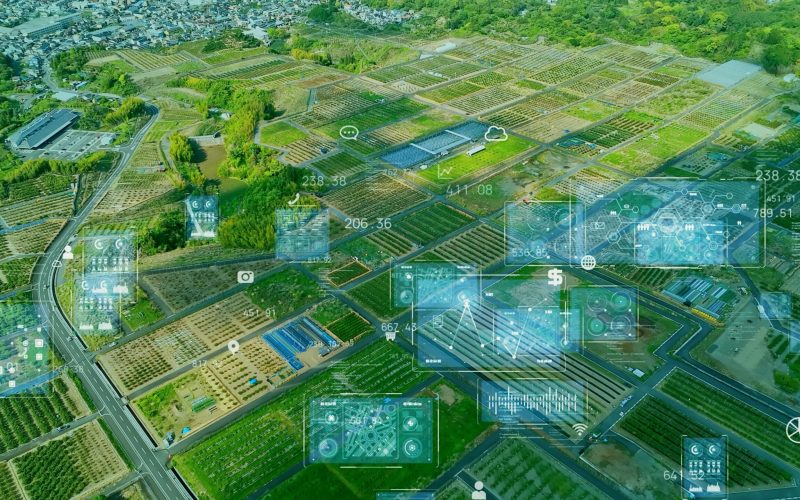
The second important change, which is in progress, is that the Regulatory Horizons Council has taken a cross-sector look at areas where it can facilitate innovation through regulatory change. One of the most important is around use of robotics and autonomous vehicles. We’re probably all familiar with the challenges of getting labour on-farm, whether employing people to pick fruit and veg in the fields or just getting hold of tractor drivers. So anything that facilitates the use of more robotics on-farm and a future with more autonomous vehicles carrying out routine tasks makes sense.
Innovation tends to be ahead of regulation, so sometimes it’s a case of playing catch-up. That’s one of the most important things about three Agri-Tech Centres, CHAP, CIEL and Agri-EPI, coming together and being a conduit for helping the government identify where post-Brexit regulatory changes would have the most valuable impact, whether unlocking further research or facilitating uptake and adoption.
Our new merged business will drive responsible agri-innovation at unprecedented levels, securing society’s supply of food, fuel and fibres and stimulating economic growth for the UK and beyond. We are already working on a range of ground-breaking ideas and transformational research projects; our impact in this area will gather pace as a single organisation.
Key to the successful creation and adoption of innovation is timely, proportionate and clear regulation which is well communicated. New technology is a big investment, especially for small business and start-ups; any degree of uncertainty stalls confidence, but good regulation sparks a willingness to invest.
Supporting case study:
Labour shortages, climate change and increasing pressure on productivity in agriculture can only realistically be addressed by increasing automation and digital technology. The Antobot, a robot and app that harnesses AI, transforms UK fruit farm businesses with accurate apple, strawberry and grape yield estimation, real-time crop management and increased resource efficiency, supporting businesses to manage the impacts of climate change on their crops. Soft fruit picking is a key robotics development area, not least as it is difficult to perfect.