
A collaborative project exploring how kelp extracts can enhance nutrient management in farming continues to show strong progress, thanks to support from Innovate UK and several leading industry partners. The project, ‘Assessing Sugar Kelp Extracts as a Nutrient Management Tool (SKE-NMT)’, is being led by Algapelago Marine Ltd, working closely with fellow kelp cultivators Atlantic Mariculture Ltd, as well as research partners The James Hutton Institute (JHI) and the UK Agri-Tech Centre.
The project focuses on three key goals:
Sustainable extraction and preservation of new seaweed biostimulants:
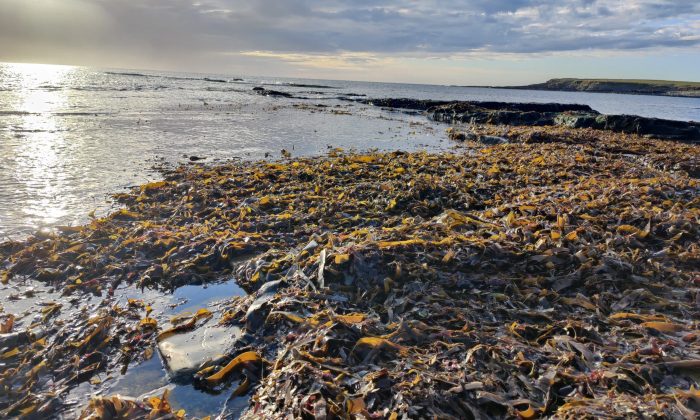
Atlantic Mariculture has taken the lead in developing sustainable extraction and preservation techniques using cultivated Saccharina latissima (sugar kelp) as feedstock.
The company has refined several wet processing methods that avoid the need for energy-intensive drying or milling, creating a route to year-round production that minimises waste while maximising recovery of valuable bioactive compounds. By relying on cultivation rather than wild-harvested kelp, Atlantic Mariculture aims to demonstrate that seaweed-based agricultural inputs can expand sustainably without depleting marine ecosystems.
Dr Adrian Macleod, Innovation Manager at Atlantic Mariculture, said: “As demand for marine biomass continues to grow, seaweed cultivation offers a scalable and sustainable route to meeting future resource needs. Cultivation enables consistent quality and supply while actively supporting Scotland’s Blue Carbon Action Plan and the Circular Economy Act 2024. By growing seaweed rather than harvesting it from the wild, we can deliver ecosystem services and create new opportunities for sustainable marine products.”
Demonstrating evidence for improved nutrient use efficiency:
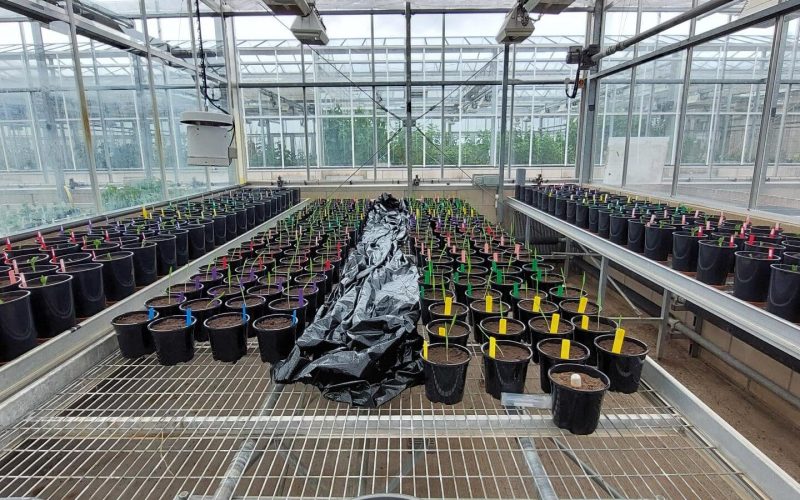
Researchers at The James Hutton Institute designed and ran a controlled glasshouse experiment to determine whether the kelp extracts could improve nutrient uptake under fertiliser-limited conditions. The trial focused on mitigations against the effects of nitrogen limitation in barley and phosphorus limitation in beans.
Dr Gordon McDougall, Head of Plant Biochemistry and Food Quality Group at JHI, said: “The glasshouse trial is now completed and initial results indicated that the tested new seaweed extracts all had significant positive effects on barley grain yield at certain nitrogen levels. This is an excellent result and we hypothesise that this indicates an improvement in how the barley plants assimilate and use nitrogen, which we are testing by analysing the plant material for differences in nutrient uptake and the soil samples for changes in microbiota composition.”
Understanding grower needs and market potential:
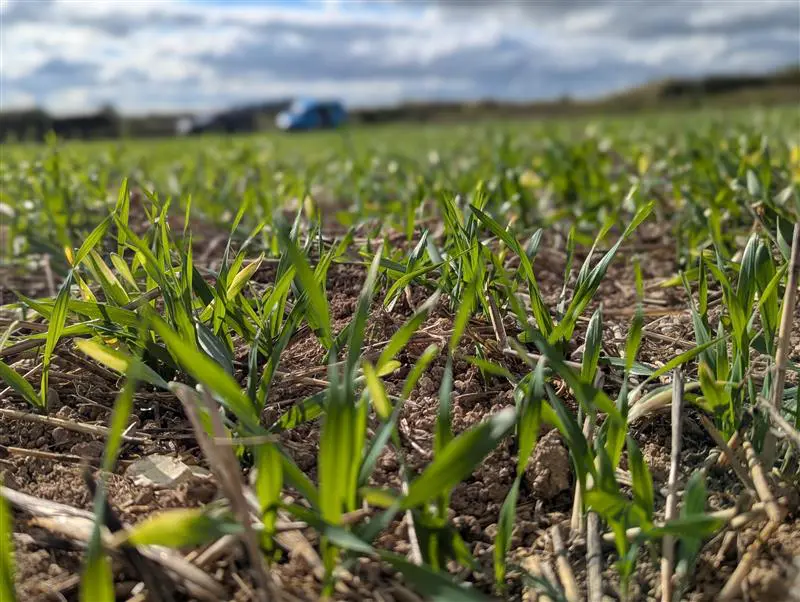
Algapelago has also launched a comprehensive market research effort to map current demand for seaweed-based biostimulants across the UK agricultural sector, with a focus on the South West.
Through 30 interviews with growers, ranging from small one-acre market gardens to 3,500-acre arable farms, the team identified widespread interest in on-farm trials, particularly within arable, fresh produce and soft-fruit sectors with seaweed-based biostimulants being commonly used across all market segments.
Growers cited quality, nutrient efficiency and yield as primary drivers for adopting biological inputs, while sustainability remained an added value rather than the sole motivation. Reducing dependence on expensive chemical fertilisers (NPK) emerged as the most common reason for exploring alternatives.
As a result, Algapelago and Atlantic Mariculture see an opportunity to leverage findings from the successful trial at The James Hutton Institute to shape product positioning.
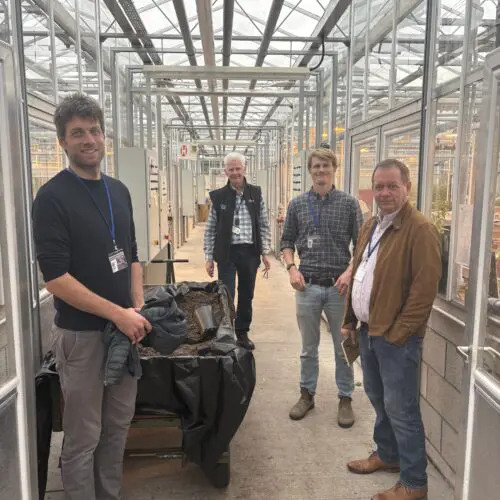
Kerr Jeferies, Market Development Manager at Algapelago Marine, said: “It’s important to acknowledge the scepticism that many farmers have towards biostimulants in general, particularly smaller, family-owned operations, that are priced out of the current market. However, seaweed-based solutions benefit from some traditional familiarity, particularly where their forebears have used beach-cast seaweeds to improve nutrition before the mass adoption of synthetic fertilisers and crop protection.
A desire to pursue more local, circular solutions is of real interest to growers; similarly, our position as cultivators and farmers of seaweed resonates strongly amongst growers, as they appreciate the effort and ethics of cultivation versus wild-harvest market incumbents. Still, we must first build a highly robust case for the specific impacts and benefits of our products to overcome grower switching costs.”
Martin Sutcliffe, Head of Agri-Systems at the UK Agri-Tech Centre, said: “What this project and market research shows is there is a desire to use seaweed-based biostimulants, but there is still some scepticism from farmers about the ‘how and why’. Grounding the development of these products in sound data and combining this with understanding the needs of the sectors, will help to remove some of these barriers.
The trials at The James Hutton Institute have clearly given a strong indication that biostimulants can be a part of the solutions to driving up production, increasing yield and sustainability while reducing the sector’s traditional reliance on fertiliser use.”