
Agriculture is entering a new era where data, automation and real-time intelligence are transforming how we grow food. The shift from reactive farming to fully adaptive ecosystems is accelerating and it’s reshaping productivity, sustainability and profitability.
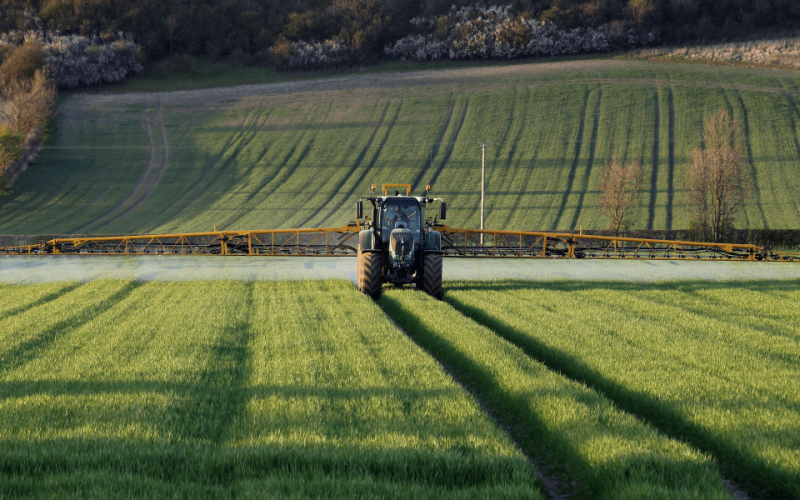
Intelligent agriculture is no longer just a concept; it’s becoming a reality. Sensors, drones and imaging tools are giving farmers deep insights into crop health and soil conditions, while AI turns that data into precise actions. Robots are stepping in to handle crop-specific tasks like thinning lettuce or harvesting asparagus, easing labour shortages and cutting costs.
As technology advances, farms will become increasingly autonomous. AI models will predict disease before symptoms appear and low-energy computing will bring real-time intelligence straight to the field with no cloud required. Swarms of machines will coordinate across complex terrains, guided by predictive models that anticipate weather, market shifts and environmental stress.
Looking ahead, digital twins will transform farming. Virtual replicas of entire farms will forecast yields, test scenarios and recommend adjustments to maximise output and minimise inputs. Early research shows that digital twins can cut nitrogen use by 20% and predict harvest weeks in advance. Combined with autonomous sowing, irrigation and harvesting, farms will evolve into adaptive ecosystems that need minimal human intervention.
What’s next?
This future is about smarter, more sustainable decisions. Intelligent agriculture uses software, sensors, satellites, robotics and AI to turn raw data into field-ready insights. It tackles automation of complex tasks like drilling or harvesting and it supports precision management of irrigation, nutrition and pest control.
Yet adoption still faces barriers: cost and accessibility, technical and operational barriers, regulatory and safety concerns, lack of awareness and expertise, system complexity, interoperability gaps and concerns over data governance and cybersecurity. The next decade must focus on building intuitive tools, accessible analytics and support systems that help farmers integrate these technologies profitably.
Explore the future of arable and horticulture innovation
A report from the UK Agri-Tech Centre, “The future of arable and horticulture innovation: Shaping the next 10 years,” outlines a vision for how UK agriculture can harness innovation to build resilience, productivity and sustainability across the next decade.
This report reinforces the UK Agri-Tech Centre’s commitment to supporting agri-tech ventures in developing, testing and commercialising breakthrough technologies through access to expert guidance, strategic partnerships and world-class facilities. By uniting researchers, producers and policymakers, the UK Agri-Tech Centre continues to play a vital role in shaping a sustainable, globally competitive agricultural sector.