
Growing fresh food is getting harder
We rarely think about where our salad comes from until it’s missing from supermarket shelves.
Yet producing fresh leafy crops consistently is becoming increasingly challenging. Growers are being asked to produce more with fewer resources, reduce their environmental impact and maintain quality, all while navigating rising costs and increasingly unpredictable growing conditions.
Meeting those challenges won’t come from a single breakthrough technology. It will come from creating the right environment for innovation to flourish.
Growing food differently
When most people picture a salad crop, they imagine fields and soil.
But some of the technologies shaping the future of fresh food production look very different.
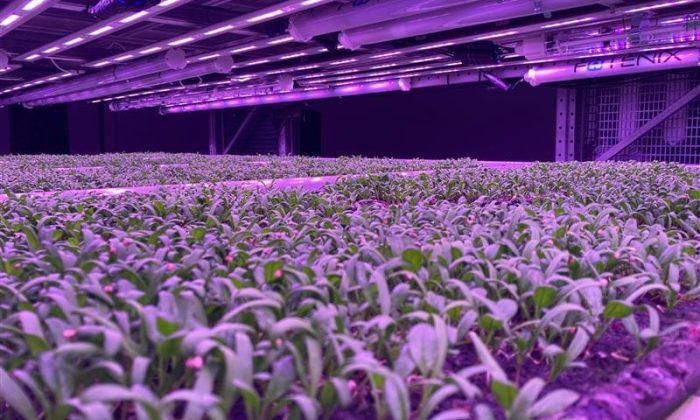
Plants can be grown with their roots suspended in air. Growing environments can be carefully managed through lighting, temperature and nutrient controls. Advanced monitoring systems can help identify issues before crops show visible signs of stress.
For growers, the goal remains the same: producing high-quality crops consistently and efficiently. The difference is how technology is helping them achieve it.
Innovation needs more than a great technology
We see first-hand that the biggest advances in controlled environment agriculture happen when researchers, technology developers, growers and specialist facilities work together. It’s that collaboration that turns an interesting idea into something growers can trust and adopt.
New ways to grow fresh food
Take LettUs Grow, for example.
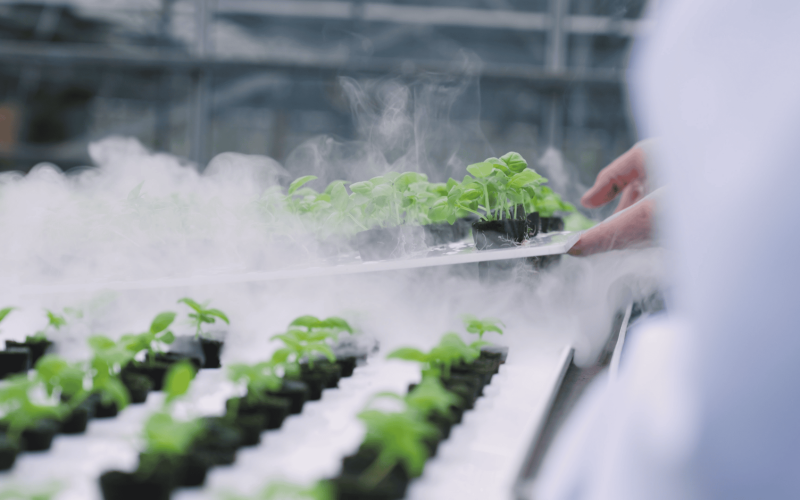
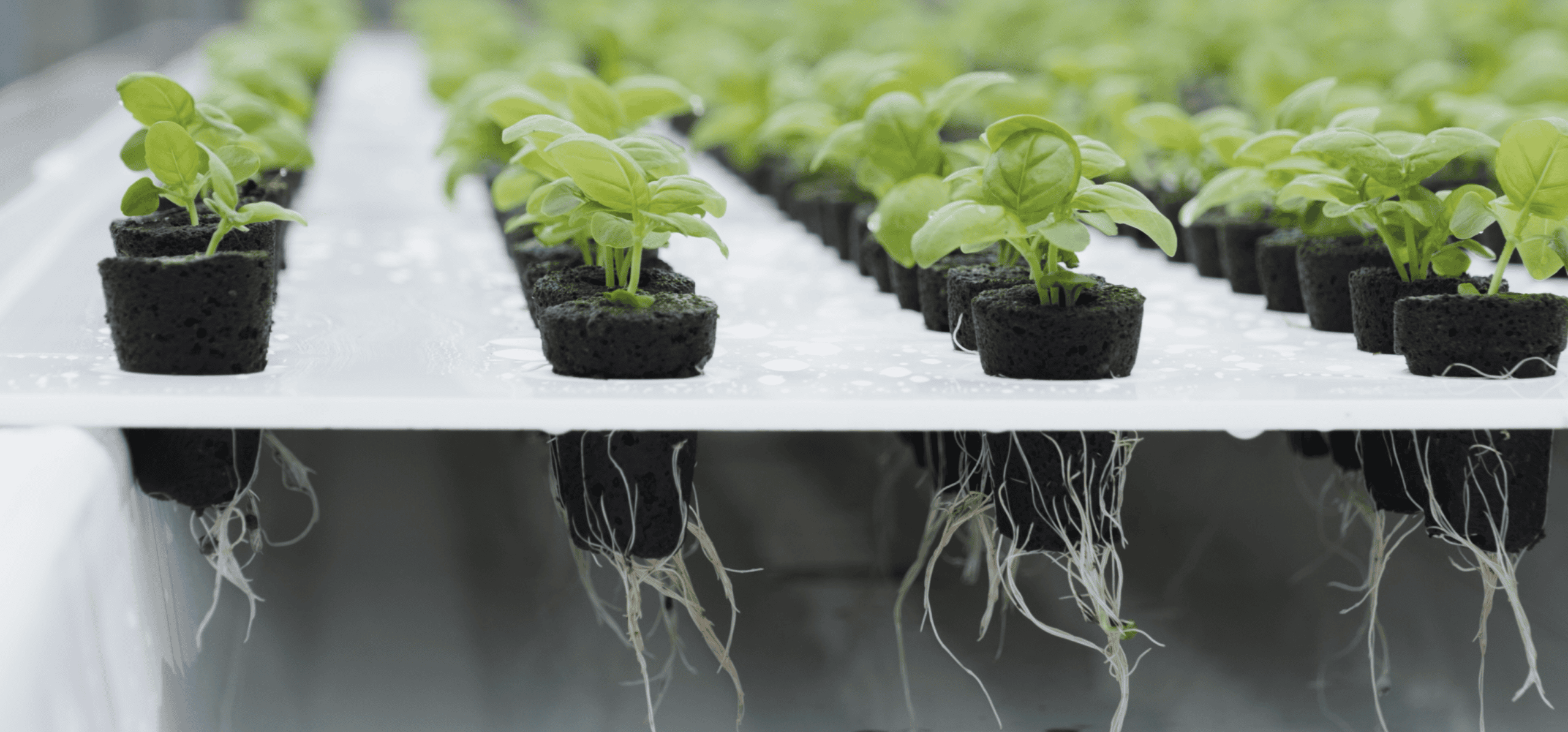
Its advanced aeroponic technology grows crops with their roots suspended in air rather than soil. Water and nutrients are delivered directly to the roots through a fine mist, giving growers precise control over what plants receive and when.
By delivering water directly where it’s needed, aeroponic systems have the potential to use significantly less water than conventional growing methods while supporting healthy crop development.
It’s an exciting development, but success isn’t simply about proving the technology works. It has to demonstrate reliable performance, integrate into commercial growing systems and deliver real value for growers.
A similar story can be seen with GyroPlant, which is rethinking the role of growing media altogether.
Its approach enables plants to grow without traditional substrates, helping reduce reliance on materials that often need replacing and disposing of. The technology is designed to create a more circular and resource-efficient growing system while maintaining crop quality and consistency.
For growers, the potential benefits are compelling. Less waste. More efficient production. Greater control over the growing environment.
But, as with any innovation, the real test is whether it can consistently perform under commercial conditions.
Why evidence matters
This is why access to independent testing and validation is so important.
Before growers invest in a new technology, they need confidence it’ll work in the real world.
That’s where the Vertical Farming Development Centre (VFDC) comes in.
Where technologies are put to the test
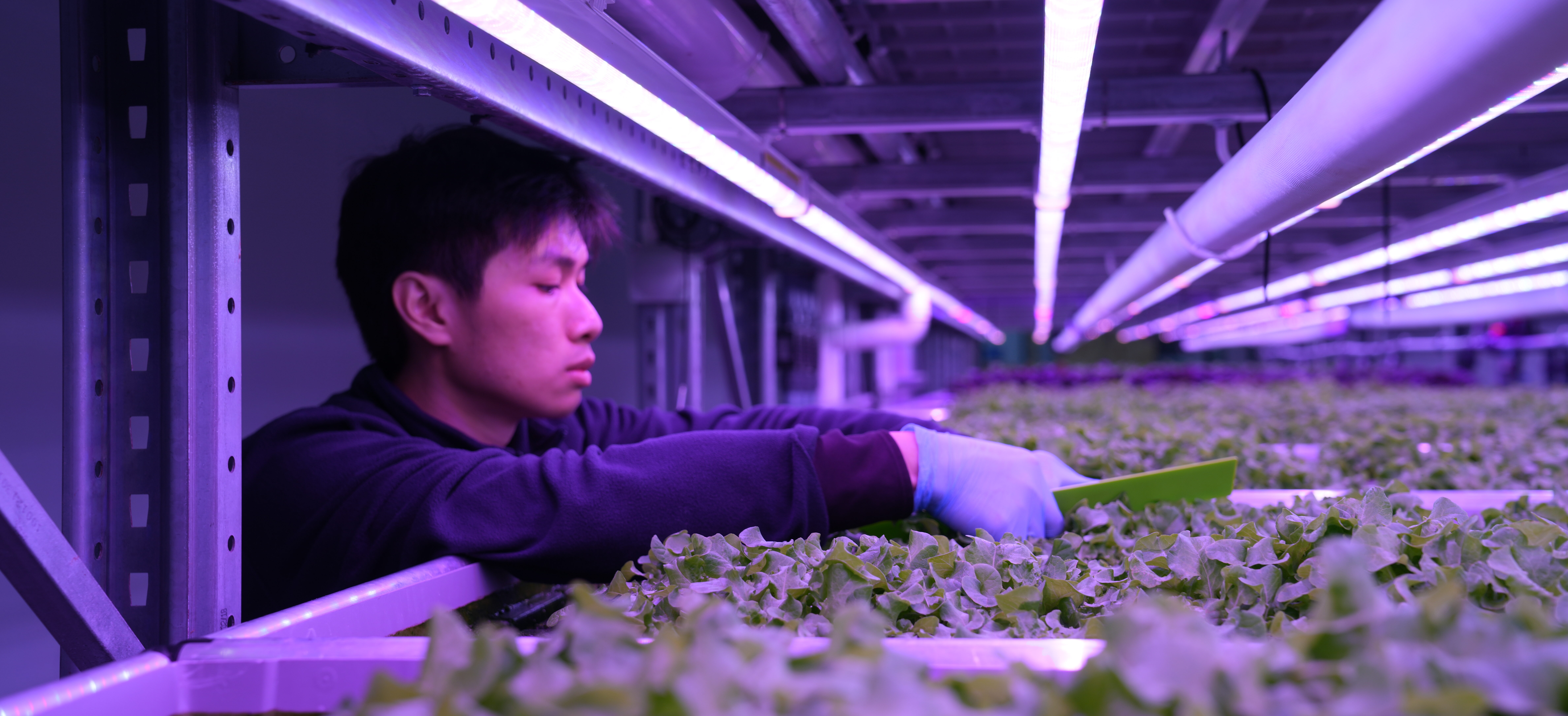
Based at Stockbridge Technology Centre, the VFDC gives innovators access to commercially representative facilities where new technologies can be developed, refined and validated before entering the market.
The centre combines the Dynamic Vertical Farming Cabinet, where crop recipes, lighting strategies and environmental conditions can be optimised with exceptional precision, with the Vertical Farm Demonstrator, a commercial-scale facility where technologies are tested in real-world growing environments.
Together, these facilities bridge the gap between research and commercial production, helping businesses generate the evidence growers need before adopting new technologies.
Growers are the ultimate test
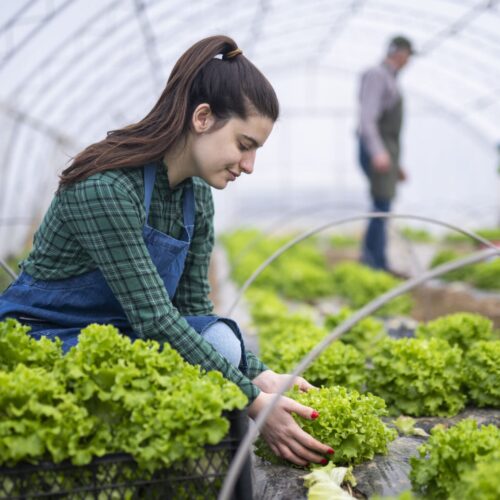
Of course, no amount of technology replaces the importance of the grower.
The best innovations don’t start with technology. They start with a real-world challenge.
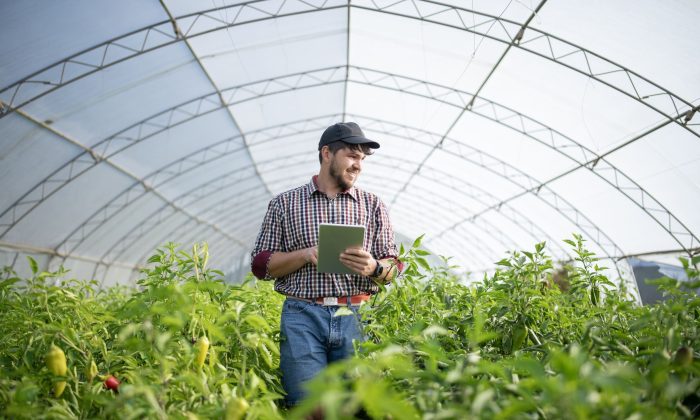
Growers understand the practical realities that determine whether an innovation succeeds or fails. They know what reliable production looks like, what delivers a return on investment and what can realistically be integrated into day-to-day operations.
Their feedback helps ensure new technologies solve genuine industry challenges rather than simply showcasing technical capability.
Turning potential into adoption
That’s why collaboration sits at the heart of everything we do.
Bringing together businesses, researchers, facilities and growers creates a faster, more effective route from concept to commercial adoption.
The future of vertical farming won’t be shaped by individual innovations alone. It will be built by the ecosystem that supports them.
Whether it’s aeroponics, substrate-free growing or the next generation of controlled environment technologies, our role is to help promising ideas become practical solutions that strengthen UK horticulture.
Where tomorrow’s summer salad begins
Because the journey from “That’s interesting” to “This works” is where real innovation happens.
And where tomorrow’s summer salad begins.
Could your innovation help shape tomorrow’s summer salad?
Get in touch to explore how we can support the development, testing and validation of your technology.