
A new initiative is enabling farmers to optimise the use of livestock manure and nutrients as fertiliser, helping to reduce costs and environmental impact. The project, titled ‘Nutrient Utilisation and Recovery through Supercritical Extraction’, or NURSE, is being developed by a consortium of collaborators including Kairos Carbon Limited (lead), Cranfield University, Royal Agricultural University and the UK Agri-Tech Centre. It is a part of Defra’s Farming Innovation Programme, delivered in partnership with Innovate UK.
NURSE is focused on developing hydrothermal technology to process livestock waste, recovering valuable nutrients and producing carbon-negative, non-leaching fertiliser. The process also enables permanent carbon sequestration, offering a sustainable solution for farmers.
Megha Raghavan, CEO of Kairos Carbon Limited, said:“It is critical that we find ways to turn wet organic wastes from a problem into a resource. This technology has the potential to prevent environmental contamination, fight nutrient depletion and remove billions of tonnes of carbon dioxide from the atmosphere, making it a powerful tool in the fight against climate change.”
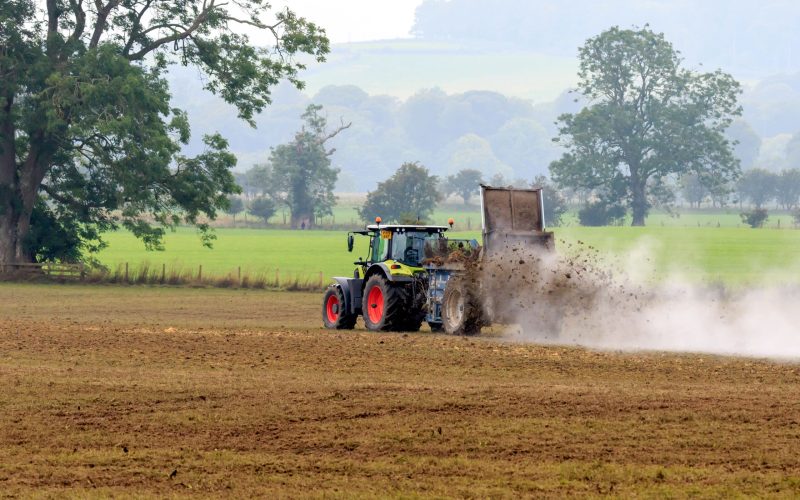
The UK generates approximately 140 million tonnes of livestock waste every year, most of which is spread on farmland. However, less than half of the nutrients applied, such as phosphorus, are absorbed by crops when livestock waste is spread on land. At the same time, farmers are facing rising fertiliser costs, while fertiliser resources like phosphorus are being depleted.
This project offers a sustainable solution by removing carbon before fertiliser is applied, helping to significantly reduce emissions. Its non-leaching properties also ensure that more nutrients are absorbed by the plants, reducing waste and lowering costs.
Impacts for agriculture
The hydrothermal technology developed offers direct benefits to farmers by recovering critical nutrients and materials from livestock waste in a condensed form. This enables the targeted use of low-leaching, sustainable fertilisers that help to reduce costs and improve crop yields.
The technology will also allow for more effective waste management, decrease organic pollutants and capture carbon for storage, all while being energy neutral. These benefits also directly meet the UK’s requirements to improve the management of the livestock waste produced across England.
Dr Stuart Wagland, Reader in Energy and Environmental Chemistry at Cranfield University, said: “Developing novel thermochemical processes to manage challenging wet wastes, dealing with emerging contaminants and recovering nutrients will have a significant impact across the UK and we are excited to be involved in this project.”
Beyond directly benefiting farmers, Kairos also aims to further reduce emissions from UK agriculture and prevent pollutants and excess nutrients from entering water sources, helping to minimise the environmental impact of fertiliser use. The technology also addresses air pollution from livestock waste and other sources of agricultural emissions.
Dr Karen Rial-Lovera, Associate Professor in Agriculture and Dean of Agricultural Science and Practice at the Royal Agricultural University, said: “This innovation seeks to support our growing need for sustainable nutrient management in agriculture. By repurposing waste products into a targeted fertiliser, the project has the potential to reduce contamination, waste and improve crop yields.”
In addition, Kairos’ solution will create and safeguard hundreds of skilled jobs across its supply chain like farming and agronomy, which support rural communities, to chemical engineering in fabrication and maintenance.
This technology is scalable and can expand to additional industries, including sewage sludge, municipal waste and hazardous chemicals. This expansion offers the potential to remove more emissions and pollution whilst making more nutrients available for agriculture.
Charlie Bowyer, Farm Technology Specialist at the UK Agri-Tech Centre, said: “Manure is an invaluable source of on-farm nutrients in livestock systems, but it is not without its challenges. Challenges around cost-effective and sustainable manure and slurry storage and point and diffuse air and water pollution are all serious issues facing farms producing manure. Furthermore, the east-west arable/livestock divide has led to an asymmetry in the availability of organically-derived nutrients in farming systems. Technologies to effectively process manures to eliminate storage issues whilst adding value by concentrating or stripping nutrients are sorely needed and this project takes a step towards developing a fascinating process to achieve just this.”