EPIHERD

Cows

What is the EPIHERD project?

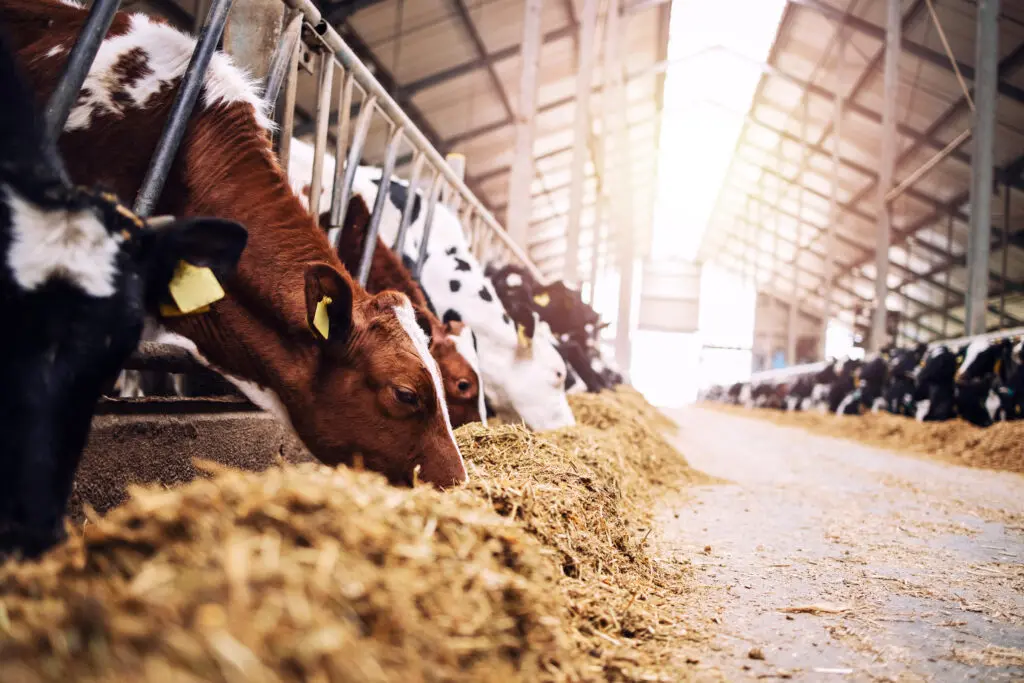
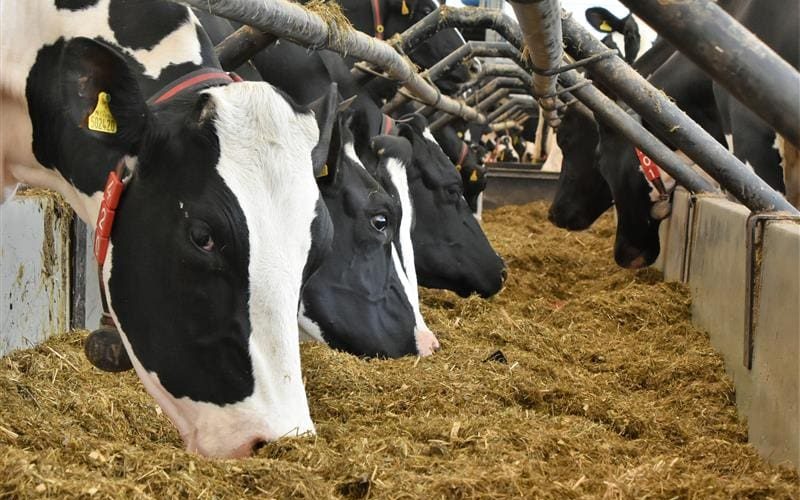
The EPIHERD project, in collaboration with University of Nottingham & UK Agri-Tech Centre, aims to improve the nutritional qualities and nationwide health benefits of cow’s milk.​ Boosting health benefits at population-level, by improving nutrient-levels at source versus fortification, omega-3 supplements etc.​ Using the Epigenomics-driven platform, EPIHERD, novel data-driven insights will be provided to help dairy farmers optimise the nutritional quality of the milk they produce.

Project Overview

  • Provide dairy farmers with novel, actionable, epigenomic data which enables them to maximise their milk quality (protein, fat, fatty acid profile) and yield.
  • Improve the nutritional content of milk-based foods, one of the UK’s most commonly consumed products
  • Minimise food loss/waste: helps farmers improve milk consistency and meet quality standards.
  • Improve sustainability: improved productivity reduces GHG emissions.
  • Provide a new approach to nutrition: A ground-breaking epigenomics approach can unlock new insights into how the nutritional content of milk and wider foods, can be enhanced.
Project partners

You may also be interested in

News & Insights
Screenshot 2026-07-06 214740

Robotics improve profitability and productivity for soft fruit farmers

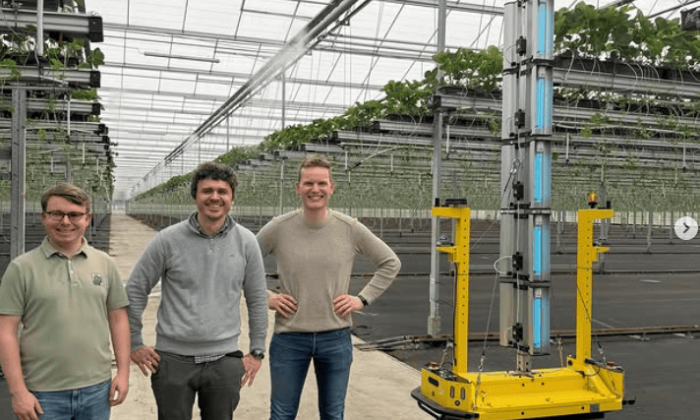
A new collaborative project, FLEXBOT, is exploring how flexible, scalable agricultural robotics can support soft fruit farmers to improve productivity, profitability and resilience....
News & Insights
Blog image

Turning plant data into energy savings: Insights from the ACDC system vertical farm trial

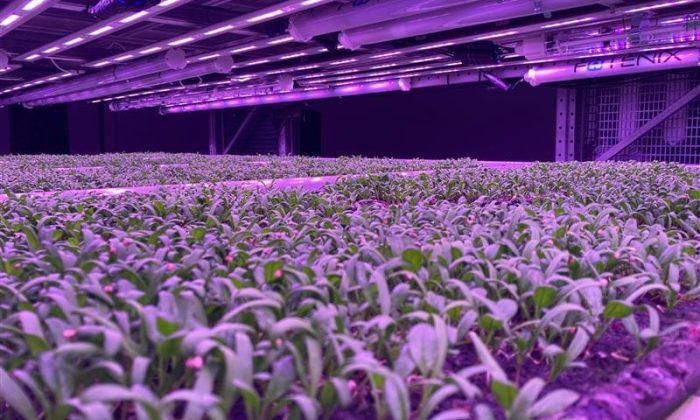
Overview As energy costs and tight margins continue to challenge the financial viability of vertical farming, the UK Agri-Tech Centre has actively been supporting industry...

News & Insights
Harvest 1 (1)

Low energy kelp shows promising results for crop yields

A groundbreaking project exploring low‑energy methods for processing cultivated kelp into a liquid biostimulant and animal feed supplement has exceeded early field‑test expectations and taken...