Optimising low energy extraction of kelp for soil and livestock nutrition (Low Energy Kelp)

Seaweed

What is the Low Energy Kelp project?

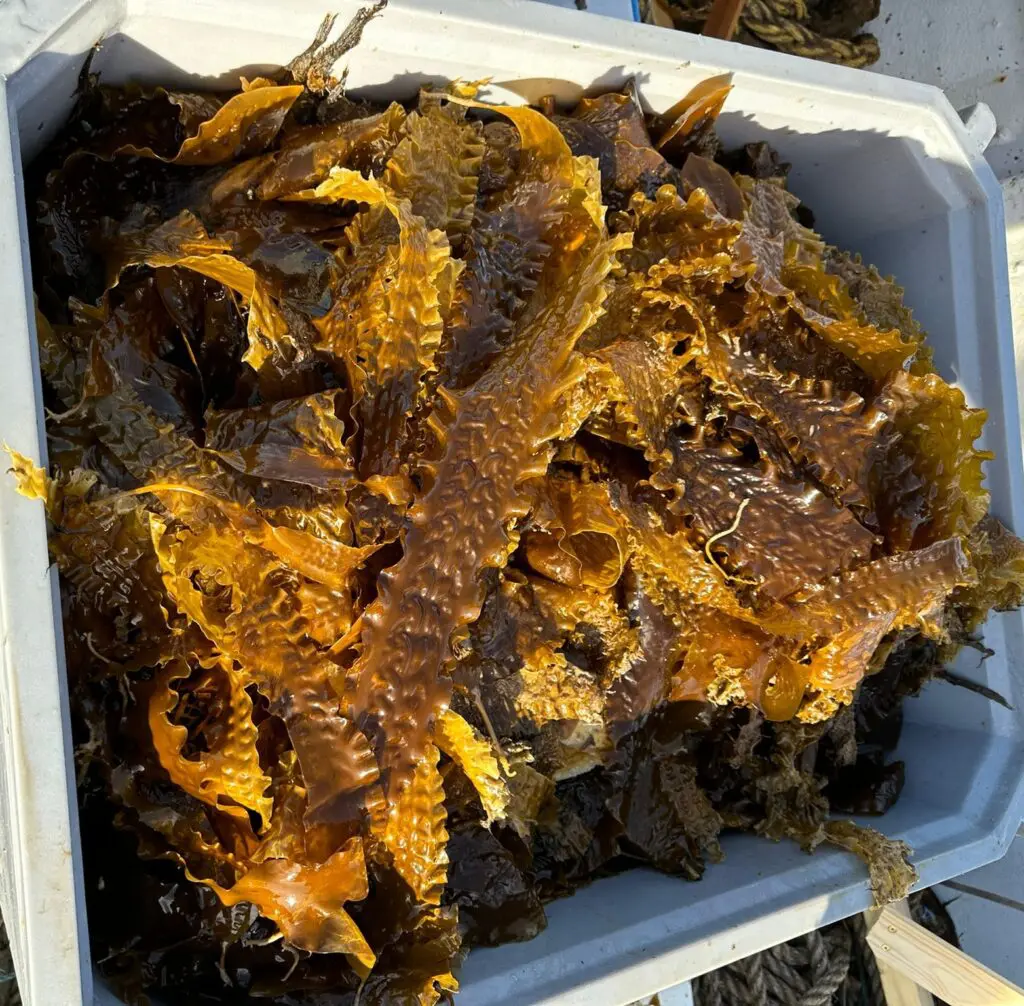
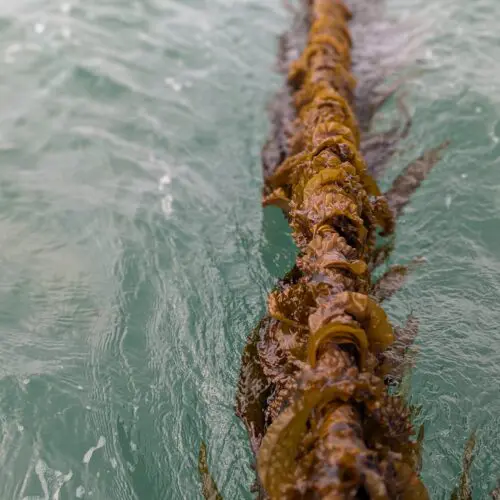
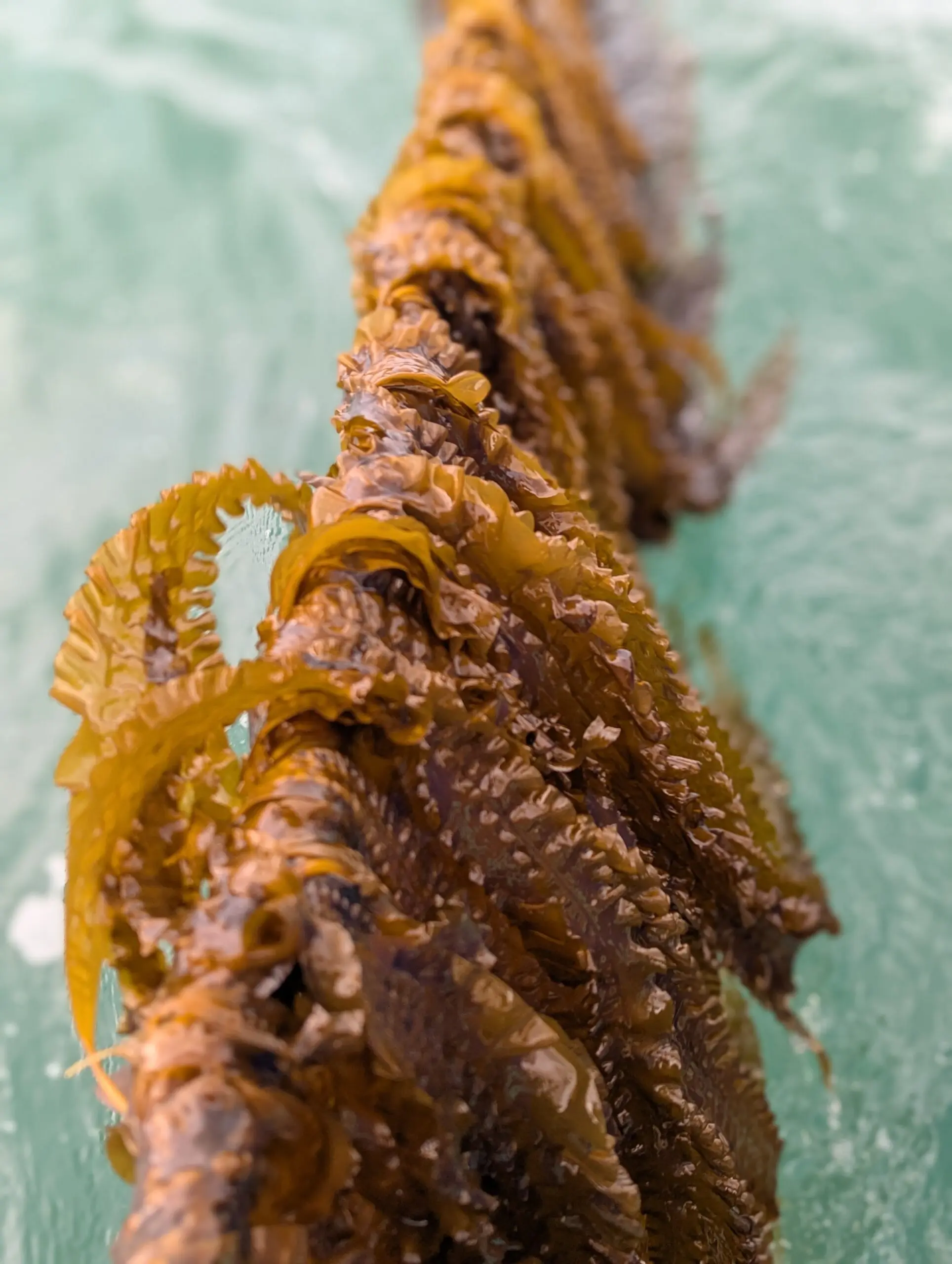
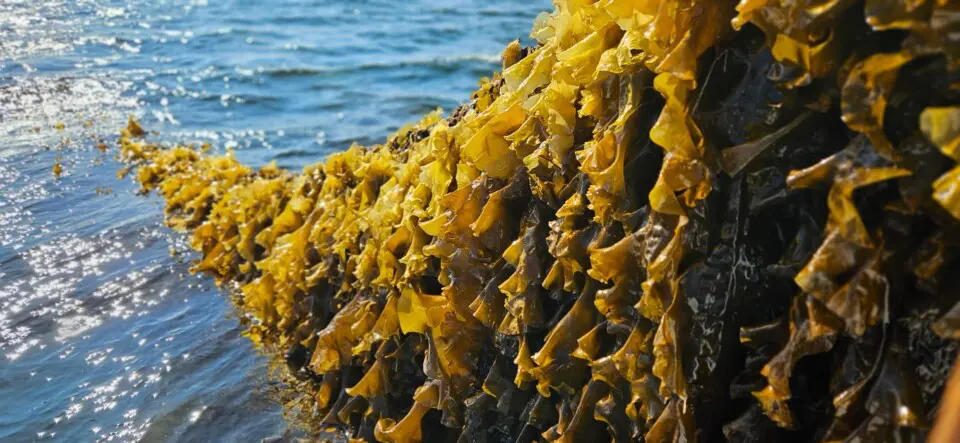
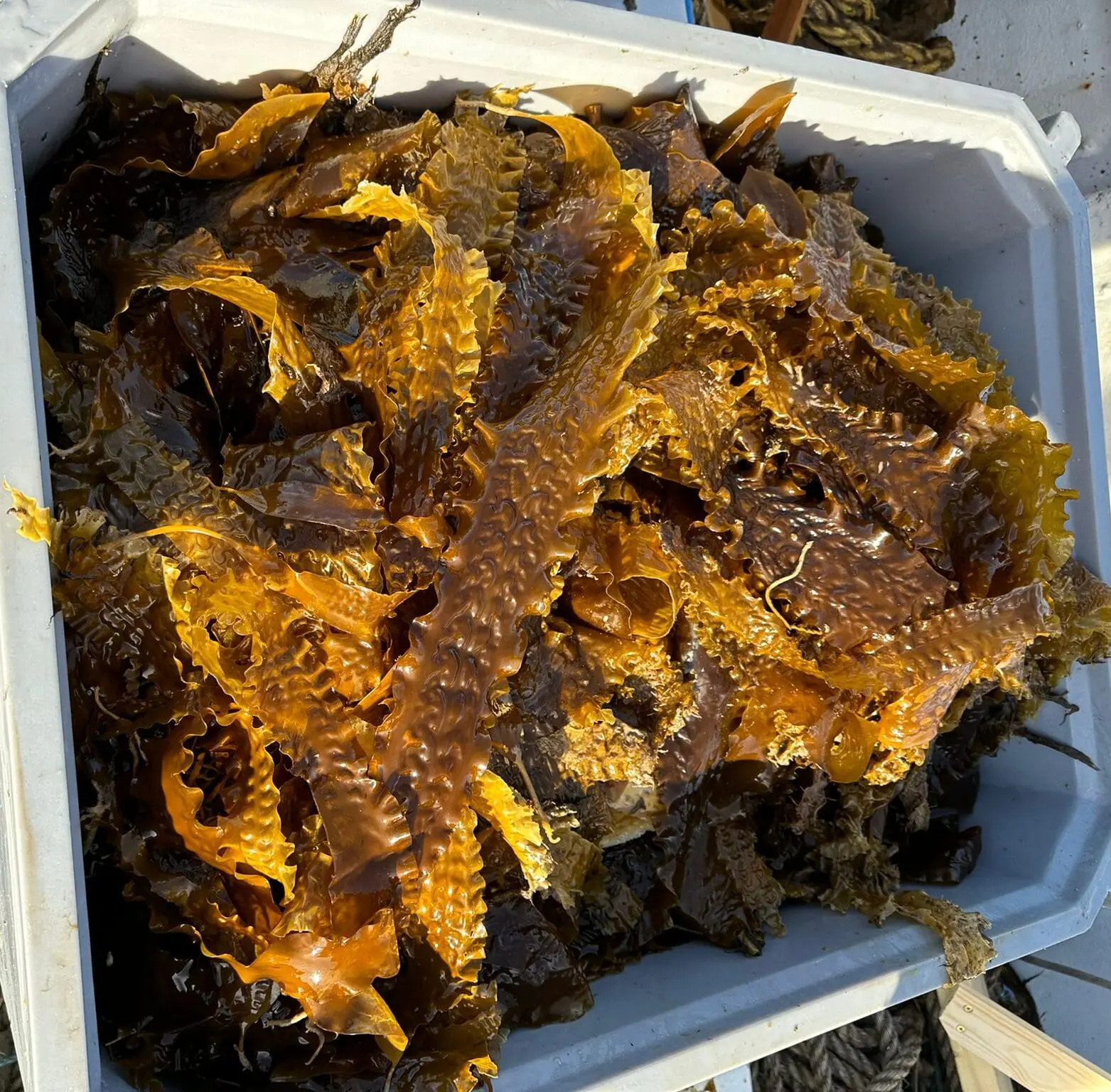
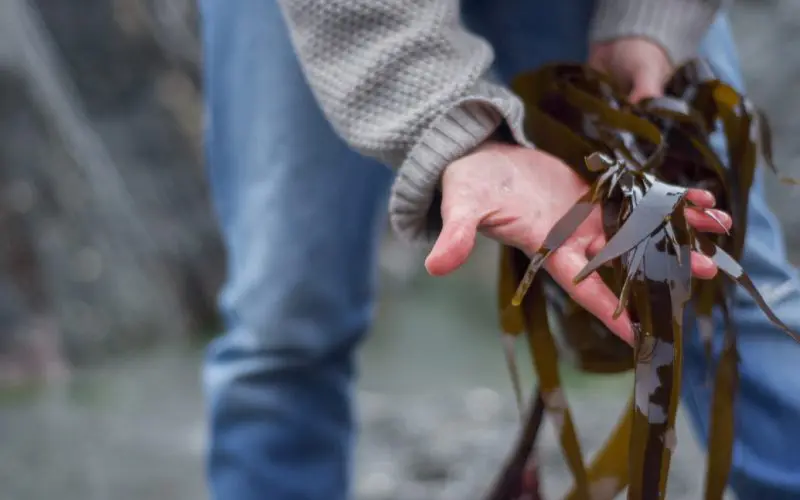
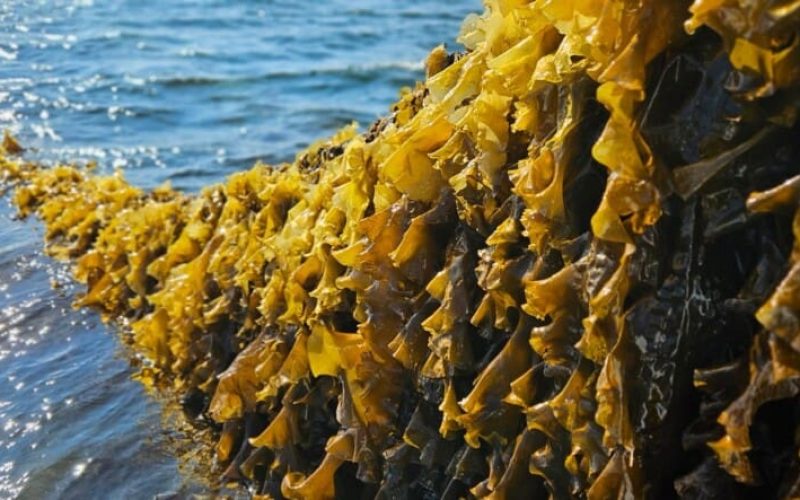
This Innovate UK supported project aims to optimise the low-energy processing of cultivated kelp, unlocking a sustainable method of kelp extraction across the UK for the production of biostimulants and animal feed supplements. 

The project will develop a novel low-energy replicable extraction process of seaweed that can consistently produce high quality agricultural products.

Cultivated kelp is a nutrient-dense resource that benefits soil and animal health and resilience to stress. However, existing agri-seaweed products use seaweed sourced from wild harvest. With increased demand for agri-seaweed products and licensing and capacity restrictions on wild harvesting biomass across Europe, the industry needs new sustainable ways to meet increasing demands for seaweed processing.

Through field trials, it aims to expand the supply of kelp to UK producers, driving healthier soil and livestock systems and improving environmental sustainability by reducing reliance on chemical inputs.
Project partners

Media / images

You may also be interested in

News & Insights
Flyer Drone Image (1)

How robotics and autonomous systems are transforming UK agriculture

Innovation in agriculture is being driven by robotics and automation, making farming more productive, sustainable and resilient. Yet, as these systems move from research to...

News & Insights
october content round up (2)

Agri-tech in action: An October roundup

From industry insights to supporting businesses to develop cutting-edge innovation across AI, robotics and automation and CEA, to thought-provoking conversations at events, we share our...

News & Insights
2 - JHI nutrient use efficiency barley and beans trial - glasshouse set up

Innovative kelp extracts boost barley yield in nutrient efficiency trials

A collaborative project exploring how kelp extracts can enhance nutrient management in farming continues to show strong progress, thanks to support from Innovate UK and...