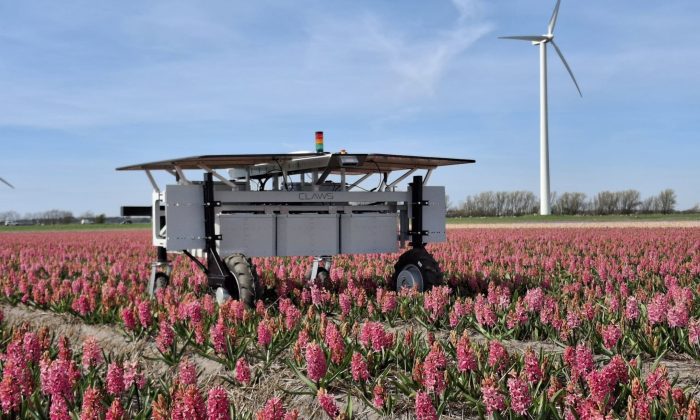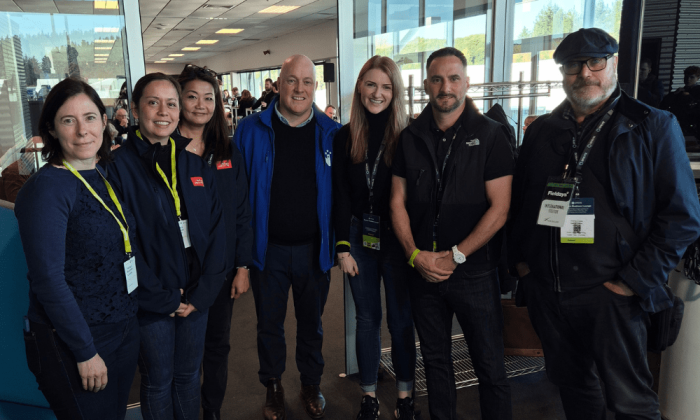

The UK Agri-Tech Centre’s Agri-Tech Solution Sprint programme helped robotics start-up Nimbus Agri-Tech test the commercial viability of its technology, refine its market focus and build confidence ahead of investor engagement.
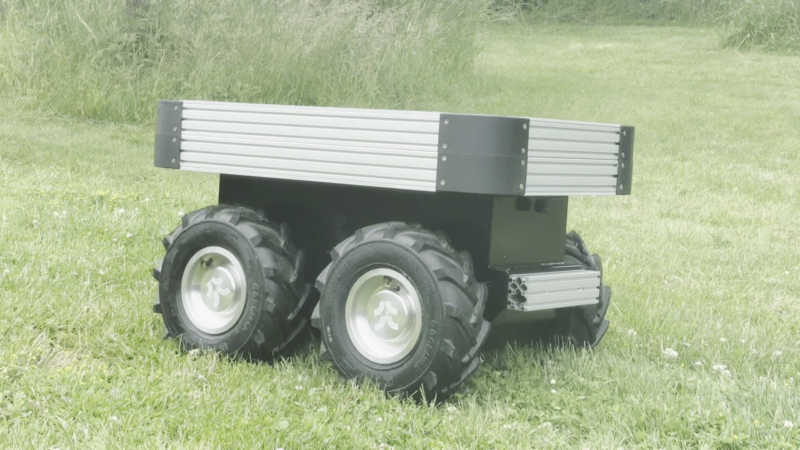 Nimbus Agri-Tech is developing autonomous robotic technology for vegetation management in row crop agriculture, with an initial focus on vineyards and future applications across orchards, hops and soft fruit production.
Founder Luke Cramphorn-Neal joined the Sprint programme looking for independent agricultural and commercial insight to complement his technical expertise.
Coming from a robotics engineering background rather than agriculture, Luke wanted support to better understand how the business could operate commercially within the sector.
“I’d done my own modelling, but I wanted independent agricultural insight alongside it,” he said.
An evolving and collaborative process
The Agri-Tech Solution Sprint focused on developing a commercial model that would allow Nimbus Agri-Tech to test different operational and financial scenarios as the business evolved. This included exploring how factors such as robot numbers, operational coverage and unit economics could affect the commercial viability of the business.
Rather than producing a static report, the Sprint became an iterative process that adapted alongside the business itself.
“We’d meet every three weeks to discuss progress and update the model,” he explained. “The team was very flexible based on how the business was evolving.”
At the same time as the Sprint, a separate grant-funded project carried out independent, anonymous farmer interviews. Feedback gathered through those conversations began to reshape the direction of the business.
Originally focused on vegetable production, Nimbus Agri-Tech identified stronger commercial potential within vineyards. As that shift happened, the Sprint team adjusted the commercial modelling in parallel, helping Nimbus Agri-Tech understand how changes in market focus would affect the wider business.
For Luke, one of the most valuable aspects of the Sprint was having access to external expertise that could challenge assumptions early in the company’s development.
“I understand a lot better now how the business might evolve, what the costs are going to be and where some of those blind spots were originally,” he said.
Building confidence through independent expertise
Alongside helping refine the business model, the Sprint also gave Nimbus Agri-Tech independent validation that the company was moving in the right direction commercially.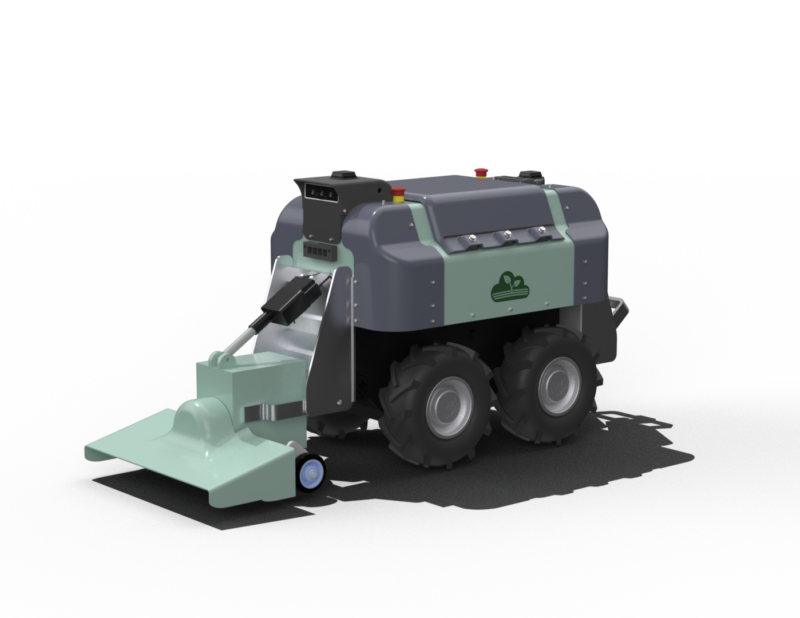
“There’s something very powerful about having an independent organisation with deep domain expertise saying that, with these numbers, things could work,” he said.
Combined with direct feedback from growers, the Sprint outputs helped reinforce both the market opportunity and the commercial viability of the technology.
For Luke, that reassurance was particularly important as a first-time founder entering a new sector. Having independent experts validate both the market demand and the financial modelling gave him greater confidence that the business was moving in the right direction.
The process also helped turn what had previously been assumptions into evidence-backed decisions, giving him a clearer understanding of how the company could scale and where the strongest commercial opportunities existed.
That confidence has already supported Nimbus Agri-Tech as it begins engaging with investors.
Since completing the Sprint, Luke has incorporated the modelling and commercial insights into investor pitch materials, helping communicate the potential value of the technology more clearly.
“It’s definitely helping,” he said. “I feel much more confident in the business, how it will grow and how I can present that to investors.”
Supporting better business decisions
Reflecting on the experience, Luke highlighted the value of the regular discussions and collaborative approach throughout the Sprint.
The combination of regular discussions, commercial modelling and sector expertise helped Nimbus Agri-Tech adapt quickly while grounding decisions in practical agricultural insight.
“Being able to adapt quickly over a short period of time and end up with something meaningful was incredibly valuable,” he said.
For Nimbus Agri-Tech, the Agri-Tech Solution Sprint delivered more than just a financial model. It provided a structured way to test assumptions, respond to market feedback and make more informed commercial decisions during a critical stage of business development.
Agri-Tech Soltution Sprints are open for applications 1 – 15 July 2026.