
As global agriculture faces intensifying climate pressures, the UK’s agri-tech community is advancing a shared vision rooted in biology, data and innovation.
A new report from the UK Agri-Tech Centre, “The future of arable and horticulture innovation: Shaping the next 10 years”, outlines how biotechnology will be central to building climate-resilient food systems, a message that resonates strongly ahead of COP30.
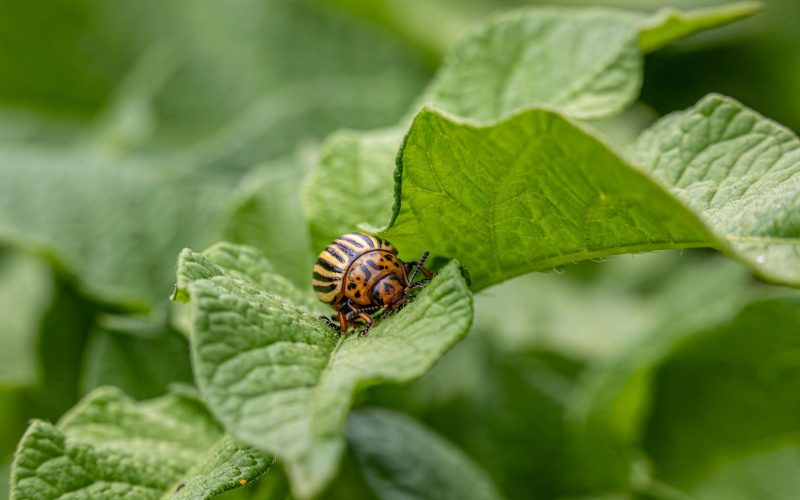
Between now and 2028, biotech innovation is reshaping pest and disease management, as mentioned in the UK Agri-Tech Centre’s new report. Biological control solutions are reducing reliance on existing chemical inputs, many of which are declining in efficacy and being phased out through risk-based regulation. New approaches such as microencapsulation can achieve significant pest reductions, while IoT and AI-driven monitoring are enabling earlier, more targeted interventions. Advances in microbiome research are also uncovering beneficial microbes that strengthen plant immunity and enhance resilience, key tools in adapting to a changing climate.
Looking further ahead, microbiome-based and RNA technologies are set to transform how crops interact with their environment. By engineering the rhizosphere and deploying synthetic microbial communities, farmers can improve nutrient uptake, soil health and disease suppression. By 2035, RNA interference (RNAi) and bacteriophage technologies will enable highly specific pest and pathogen control while protecting beneficial species, advancing a new era of circular, low-carbon agriculture supported by AI-driven decision tools.
Harnessing biotechnology for climate resilience goes beyond crop protection; it’s about building sustainable food systems. By progressively integrating biologically inspired, systems-level innovations alongside more efficient use of existing inputs, the UK can:
- Strengthen soil health and biodiversity
- Reduce dependency on resource-intensive agrochemicals
- Enhance resilience to extreme weather and emerging pathogens
- Safeguard national and global food security
To make this vision a reality, innovation must go hand-in-hand with regulatory clarity and real-world validation, areas where the UK is uniquely positioned to demonstrate global leadership.
As we look ahead to COP30, these advances will help the UK demonstrate global leadership in integrated biological, digital and engineering innovation, delivering both sustainable productivity gains and farm system resilience.
Explore the future of arable and horticulture innovation
A new report from the UK Agri-Tech Centre, “The future of arable and horticulture innovation: Shaping the next 10 years,” outlines a vision for how UK agriculture can harness innovation to build resilience, productivity and sustainability across the next decade.
This report reinforces the UK Agri-Tech Centre’s commitment to supporting agri-tech ventures in developing, testing and commercialising breakthrough technologies through access to expert guidance, strategic partnerships and world-class facilities. By uniting researchers, producers and policymakers, the UK Agri-Tech Centre continues to play a vital role in shaping a sustainable, globally competitive agricultural sector.
Read more by downloading the report below: