Archives: Projects

NUE-Leg

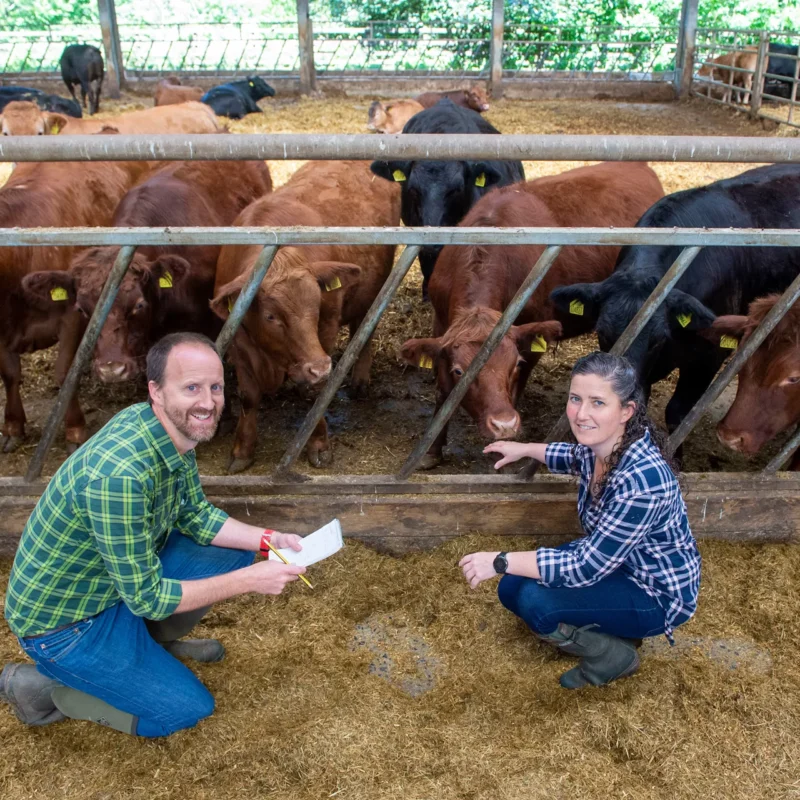
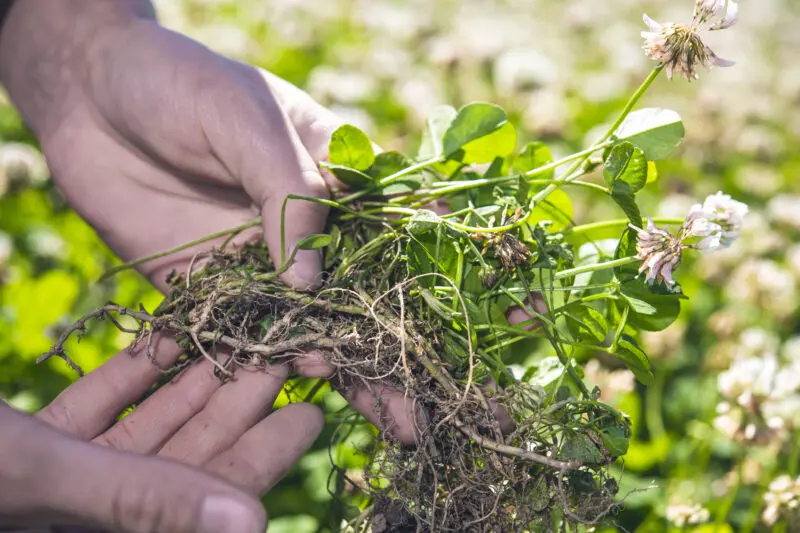
What is the NUE-Leg project? NUE-Leg will provide a unique network, scientific innovation, and the new knowledge needed by farmers and commercial partners to effectively utilise new legumes and associated technologies to deliver sustainable livestock systems and help farm businesses achieve net zero production. NUE-Leg will deliver blueprints for exploiting novel, elite legume varieties and identify traits for continued breeding improvement, determine farm-specific prescription nutrient need and provide digital knowledge exchange (KE) systems to guide farmers. This integrated optimisation approach will greatly enhance grassland farming in mitigating enteric methane emissions, lowering nitrate losses, while boosting ruminant productivity and sustainable farm businesses. England’s livestock agriculture is tasked with increasing efficiency of production while reducing environmental impacts. Thus, GHG emissions must contract by 78% (by 2035), with a livestock industry seeking net-zero (2050) against a background of escalating energy/input costs. Ruminants only capture around 25% of nitrogen ingested from grasslands and create 45% of UK methane emissions through rumen digestion, manure and slurry. To reduce GHG/nutrient loading, more herbage protein must convert into meat and milk. NUE-Leg will directly address this challenge by developing technological solutions to reduce environmental impacts while enhancing the economics and sustainability of grassland farming. Read more on the project website Project partners Social media Linkedin Facebook Instagram
Read More »

R-Leaf

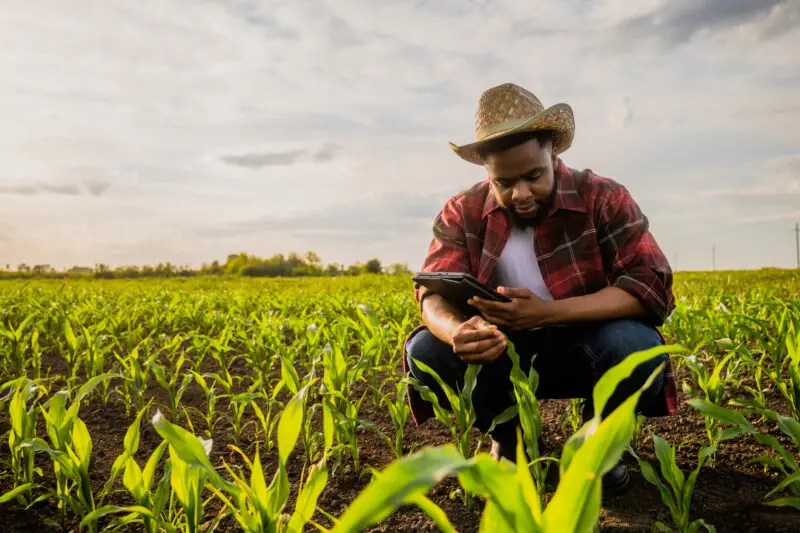
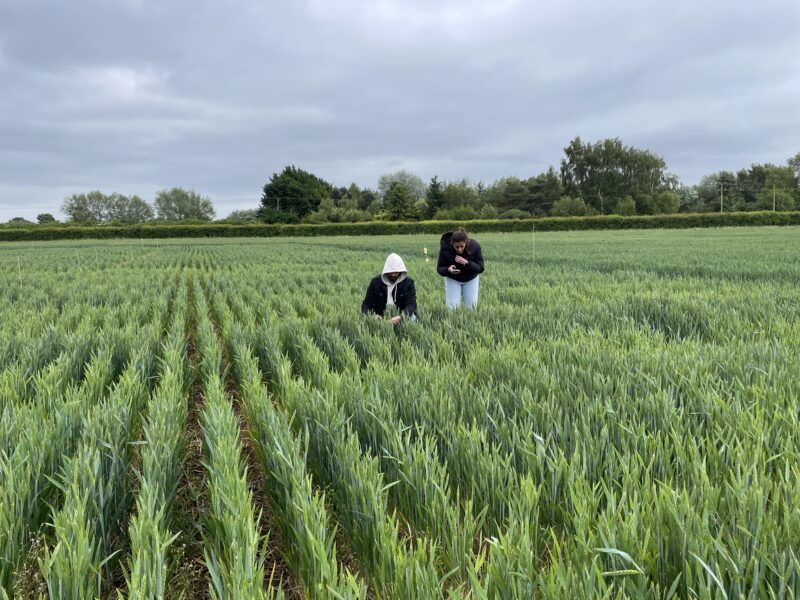
What is the R-Leaf project? Under the Farming Innovation Programme, Defra has funded a £1m project to investigate the potential to create a foliar photocatalyst-and-endophyte prototype that can help cereal and oilseed crops fix their own nitrogen. The project, delivered through Innovate UK, promises not only to improve growers’ profit margin but also to reduce air pollution. Using technology developed by Crop Intellect, a foliar spray that contains a photocatalyst – a material that accelerates chemical reactions when exposed to light. The photocatalyst is a specially processed titanium dioxide, which utilises natural daylight to capture and convert nitrogen oxides (NOx) gases into nitrates directly on crop foliage. At the same time, R-Leaf breaks down atmospheric N2O, a GHG 265 times more potent than CO2, into benign nitrogen and oxygen, reducing net greenhouse gas emissions and impacts of climate change. The technology is embedded into a liquid fertiliser formulation and sprayed tank-mixed on plant surfaces using standard farm sprayers.  R-Leaf Benefits: Enhanced crop yield (independent trials in cereals under Good Experimental Practice Standards (UK) produced up to 6% increase in yield). Decreased need for synthetic N fertilisers use by 25% (c. 50kg/ha). Reduced carbon/environmental footprint and mitigated climate change through removal of 5.4 tons of CO2 eq. per year when R-Leaf is used at recommended rate of 2l/ha in cereals. Overall, R-Leaf moves the agricultural sector closer towards net zero emissions. Project outputs:  A validated R-Leaf/endophyte prototype capable of reducing synthetic nitrogen use by up to 50% in wheat farming. Field trial results that demonstrate the environmental and economic benefits of the R-Leaf/endophyte combination, particularly in terms of technology’s effectiveness of nitrogen fertilizer replacement without any yield compromise. Quantification and verification of the techno-economic and environmental impacts, including trial reports and methodologies. Quantification of benefits to the farmers, growers and other segments of the food supply chain. Educational and outreach materials, including workshops and publications to engage and inform farmers and stakeholders. Project partners Media / images

Read More »

EPIHERD

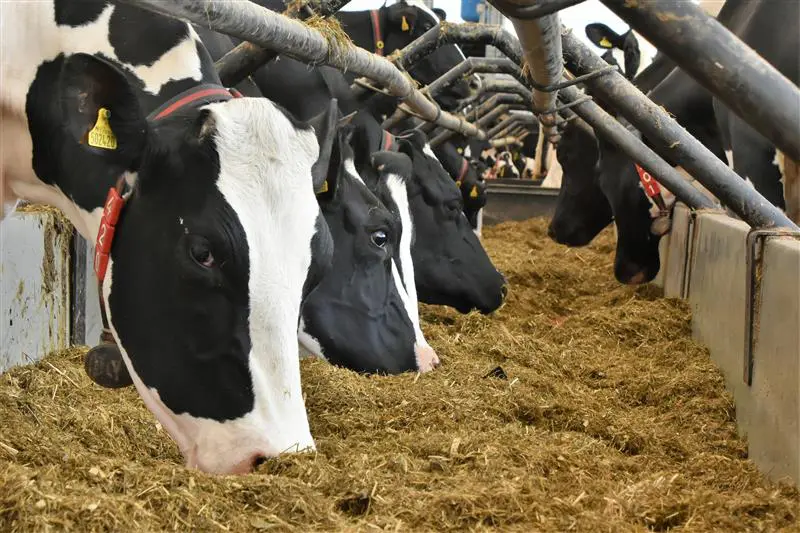
Improving the nutritional qualities and nationwide health benefits of milk via a novel, epigenomics-driven platform, EPIHERD, for UK dairy farmers

Read More »

Greenshed

What is the Greenshed project? The state-of-the-art GreenShed will use cattle waste products to power a methane capturing system and grow indoor crops. Led by SRUC, the GreenShed system will also produce low-carbon fertiliser and has the potential to remove the equivalent of 237 tonnes of carbon dioxide per farm per year. GreenShed has received nearly £3 million from the Direct Air Capture and Greenhouse Gas Removal programme, part of the UK Government’s Net Zero Innovation Portfolio. GreenShed provides an innovative working example of how researchers, businesses and other partners can collaborate effectively to shape a more resilient, nature-positive producer supply chain that’s aligned with the aims of the national Food Strategy. The project will allow farmers to improve their profitability, expand their saleable food products, and reduce the environmental impact of beef production. Learn more about the project Project partners

Read More »
Grapes on the vine | Soft fruit expertise | UK Agri-Tech Centre | Farming innovation

VISTA Project

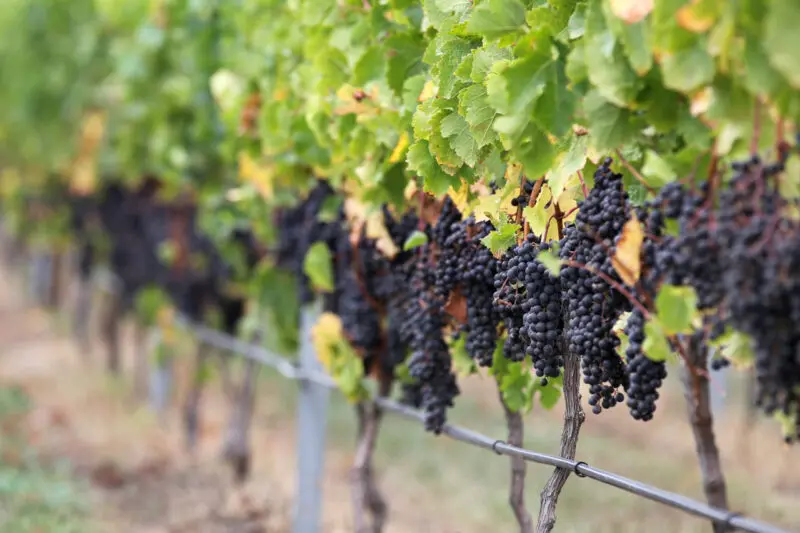
The VISTA Project will create an open standard for digital maps of commercial vineyards. As agriculture embraces precision and data led systems, accurate maps of row and vine locations are becoming an essential part of the modern vineyard.

Read More »

Sustaining Shropshire

The Sustaining Shropshire project provides FREE expert support to entrepreneurs and SMEs, in Shropshire’s flourishing agri-tech, food and drink, and supply chain sectors, to develop pioneering ideas and boost sustainability.

Read More »

Dancing with Daffodils

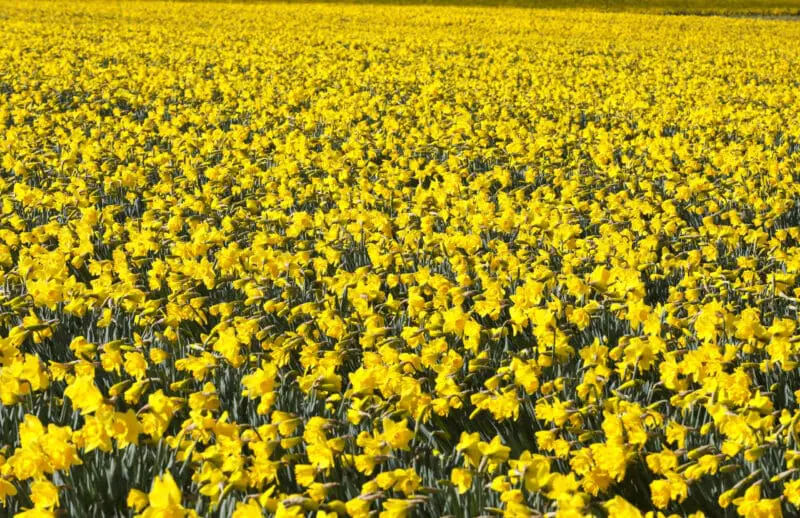
The Dancing with Daffodils project aims to develop and establish a UK-based supply chain for a naturally sourced methane-reducing feed additive using a specific alkaloid extracted from daffodils.

Read More »